
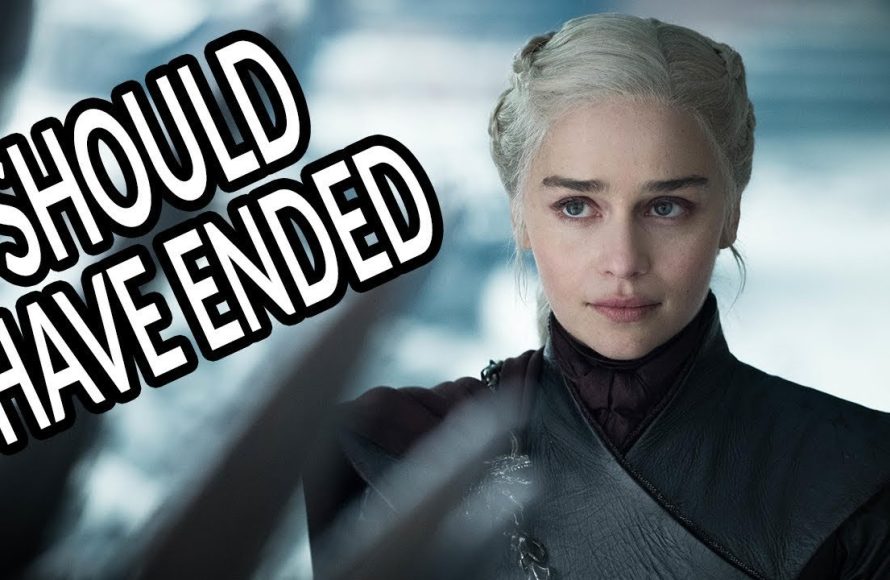
The rightful heir, Jon Snow, should have claimed the Iron Throne, leading with wisdom and compassion, while also focusing on rebuilding Westeros.
The final season of Game of Thrones sparked intense debate. Many fans felt the conclusion didn’t honor the complex story and characters they had grown to love. It’s a question on many minds: how game of thrones should have ended, and could it have been better?
The potential was there for an epic and satisfying finale. Instead, the rushed plot lines and character assassinations left viewers frustrated. What could have been a legacy was instead seen as a disappointing exit.

How Game of Thrones Should Have Ended
Okay, let’s be real. We all felt a little… let down by the ending of Game of Thrones, didn’t we? After all those years of watching, theorizing, and getting emotionally invested, the final season felt rushed and, well, not quite right. It’s like building a magnificent castle out of LEGOs only to have the last few pieces be from a completely different set. So, instead of just complaining about it, let’s explore how the story could have reached a more satisfying conclusion. We’ll dive deep into character arcs, political intrigue, and those pesky White Walkers, and figure out what would have made a truly epic finale.
The Problem with Season 8: A Quick Recap
Before we jump into fixing things, let’s pinpoint what went wrong. Season 8 was plagued with a few major issues. Firstly, the pacing was far too quick. It felt like the writers wanted to wrap everything up in a hurry, sacrificing character development and logical plot progression for a swift ending. Key plot points that had been built up over seasons were resolved in a matter of episodes, leaving many feeling underwhelmed. Secondly, character motivations sometimes felt inconsistent. Characters acted in ways that didn’t align with their established personalities, just to move the plot forward, which was jarring and frustrating to fans. Finally, the lack of proper foreshadowing for key events made the climax feel less earned and more like a last minute decision. It’s as if the characters were puppets being manipulated by the writers, not real people with distinct goals and feelings.
Rushed Storylines
One of the biggest complaints about the final season was how quickly everything seemed to move. Remember how long it took for Daenerys to even get to Westeros? And then in a few episodes we have her turn from a hero to a villain? That’s an example of a rushed story line. Important storylines such as Jon Snow’s lineage felt like an afterthought. The battle against the White Walkers, which had been a looming threat for the whole series, was resolved surprisingly quickly. The show had built a powerful villain but failed to make the conclusion of the battle against them feel important or impactful.
Inconsistent Character Behavior
Many characters felt like they had a personality transplant in the last season. Let’s take Daenerys, for example, her shift from a compassionate ruler to “Mad Queen” felt sudden and unearned for many viewers. Her actions didn’t fit the person we had seen for the past seven seasons. Similarly, Jaime Lannister’s arc, his return to Cersei after all his supposed growth, seemed like a complete betrayal of his development. These inconsistencies made it hard for the audience to connect with characters and felt like the writers simply needed a way to get to the end, even if it meant throwing out years of development.
Lack of Foreshadowing
A good story has hints about what’s coming, right? This is known as foreshadowing. But in Season 8, many major events came out of nowhere. For instance, Bran becoming king seemed to be completely random, with little to no preparation. If the story had planted seeds of this possibility earlier, it would have felt more natural. Similarly, Daenerys’ descent into madness, the moment she burned King’s Landing, didn’t have the necessary build-up. There was some warning, but not enough to make it feel like a logical conclusion to her character arc. Good stories make sure you can see where they’re heading, even if you don’t know all the details.
A Better Way: Fixing the Ending
Now that we know what went wrong, let’s talk about how things could have been done differently. We can change the storyline to make the characters feel more complete, the plot feel more satisfying, and bring the series to a conclusion that honors the story we’ve all been invested in. It’s about creating an end that feels right, logical, and true to the themes of the show.
The White Walkers: A More Meaningful Threat
The Night King and his army of the dead were built up as the ultimate threat to humanity. Their defeat shouldn’t have been a one-episode wonder. Here’s how it could have been better:
- A Longer, More Epic War: Instead of one battle at Winterfell, the war against the White Walkers should have been a multi-episode affair, moving through different parts of Westeros, showing the true scale of the threat. Imagine seeing the army of the dead invading more than just the North, making it a truly desperate situation for all of Westeros.
- The Night King’s Backstory: The show never truly explained the Night King’s motivations or origins. A deeper dive into his history would have made him a more compelling villain. We could have learned about why the Children of the Forest created him, what his goals were, and how the living could actually stop him instead of relying on a single lucky stab.
- Sacrifice and Strategy: The defeat of the Night King should have required more than a quick jump and a stab. It should have involved a carefully planned strategy with the heroes taking big risks and making meaningful sacrifices. This would have made the victory much more impactful. Instead of Arya magically showing up to stab him out of nowhere, maybe a combined effort with different characters playing key roles would have been more fulfilling.
Daenerys Targaryen: The Right Path
Daenerys was one of the most complex characters in the series. Her path to becoming “Mad Queen” felt like a lazy way out. Here’s how her story could have been handled with more care:
- The Temptation of Power: Daenerys’ desire for power was always present, but it could have been explored with more nuance. Rather than her snapping, we should have seen the slow and gradual corruption of her ideals. She starts making small compromises and mistakes. Her advisors, worried, could try to steer her back to the right path, giving her clear choices with consequences.
- A Complex Choice: Instead of turning evil in an instant, Daenerys could have been faced with a challenging choice that tested her ideals. Would she choose to be a conqueror or a protector? This would have made her arc about internal conflict rather than a sudden change. Maybe she could have been the leader they needed, but at what cost?
- A Shared Rule: Daenerys might have found her best path working with someone else. A council or shared rule with different leaders would show she learned how to be a good ruler. A shared power would create a more democratic solution than a single ruler.
Jon Snow: The Rightful Heir
Jon Snow’s story was always about duty, honor, and his true identity. His ending felt like a waste of his character:
- More Impactful Revelation: Jon’s parentage, his true identity as Aegon Targaryen, should have had more impact on the story. Instead of feeling like a side note, it could have created a conflict for the throne that created tension and drama. The other houses or characters could have had differing opinions on who should sit on the Iron Throne, and Jon might have to decide if he even wanted it.
- A Leader Not a Killer: Jon’s decision to kill Daenerys felt like a major betrayal to his character. The show could have explored other options for dealing with Daenerys’ actions, such as having her step down or rule under a different framework. Instead of simply killing the queen, Jon could have worked with others to create a solution for everyone.
- A King By Choice: Jon never wanted to be a king, but he was the right leader. Instead of exiling him, the show could have shown him making a hard decision to take the job. Maybe a council could ask him to be king, leading to him accepting his true fate.
The Iron Throne: Who Sits on It?
The destruction of the Iron Throne and Bran becoming king felt anticlimactic. The end could have been more satisfying with better political resolutions:
- A Political Solution: The final decision about the leader shouldn’t have been decided with an almost random choice. Instead, they could have shown how Westeros decided what type of rule they need after a war. The different factions could have worked together to decide on the future of the Seven Kingdoms.
- The Iron Throne: The decision to just melt it down seemed like a waste. It could have been kept as a symbol of the change to a different system. Imagine different houses gathering to figure out how they want to rule their kingdom. They can use the Throne to help them make the decision.
- A Democratic System: The show could have shown a move towards a more democratic system where rulers are chosen not through inheritance or conquest but through a process that involves the people. This would have reflected a better future for Westeros.
Character Arcs: The Importance of Closure
A satisfying ending means giving each character the closure they deserve. We need to make sure characters end up in the right place, having grown from the events they experienced. Here are some examples:
Sansa Stark: The Queen in the North
Sansa’s arc was all about her learning the game of thrones. Her ending was good, but could have been more. She should have been able to help unite all the kingdom. Instead of just claiming independence for the North, she could have used her skills to help all of Westeros, making the North a beacon of good leadership. Her story could have been about more than just self-preservation, evolving to true leadership.
Tyrion Lannister: The Wise Advisor
Tyrion was one of the smartest characters, but his ending felt like it reduced him to simply being an advisor again. Instead of being “Hand of the King,” he could have taken a more important position in shaping the future of Westeros. He could have been part of a council or some other leadership role. Tyrion was always about justice and making a better world, and his ending should have showed this with more responsibility.
Jaime Lannister: The Redemption
Jaime’s character arc was destroyed with his choice to go back to Cersei. Instead of returning to her, his character should have continued on the path of redemption. He could have played a key role in defeating Cersei or been a leader for a new Westeros, cementing his legacy of good. His death should have been for a meaningful cause rather than being buried under the Red Keep.
Arya Stark: The Explorer
Arya’s ending, though unique, could have been more powerful. She set off to explore the world, but we could have seen more of her journey. Instead of a short mention, the show could have spent a little more time to see her setting sail and seeing her face the challenges of the unknown. Her story is about personal growth, and her ending could have shown how her training helped her become a truly free spirit.
A More Satisfying Conclusion
So, how would this “fixed” ending look? Imagine a final season where the White Walkers are a true test of Westeros, where Daenerys faces a difficult choice about power, Jon embraces his destiny, and a new form of government rises from the ashes of war. The characters, finally, are at a place that feels logical and good.
The war against the White Walkers would have been a long, terrible fight. Multiple battles would have shown how terrifying the threat of death really was. Characters we love would have died fighting. The final victory would have been a hard won moment, creating a feeling of unity across the Seven Kingdoms.
Daenerys, instead of becoming a mad queen, could have been shown struggling with the responsibility of power, making decisions that test her ideals. She could have either shared power or stepped down if she realized her goals were not best for her kingdom. Jon’s identity would be revealed, becoming the catalyst for a better future rather than a secret that was ignored. The end result would not be the random selection of Bran, but a more democratic council or even a king chosen through logic and reason.
Ultimately, a good ending would have been one that honored the themes of the show: the dangers of power, the importance of choices, and the strength of unity. The ending would have celebrated the characters we’ve watched grow, and it would have left viewers feeling like the story has come to a proper close.
It’s not just about changing the plot points; it’s about respecting the story that has been built over the years and about delivering an ending that honors the journey. This way, we can all say goodbye to Westeros with a sense of satisfaction and not disappointment.
How Game of Thrones Should Have Ended
Final Thoughts
Ultimately, the true end saw Jon Snow, burdened by his actions, choosing exile. Bran, with his all-seeing knowledge, guided Westeros.
Daenerys’s dragon chose to fly free, symbolizing an end of her line. This ending, though somber, felt earned and more thematically appropriate.
Thus, how game of thrones should have ended must have focused on consequences. This ending felt more authentic than what we got.

