
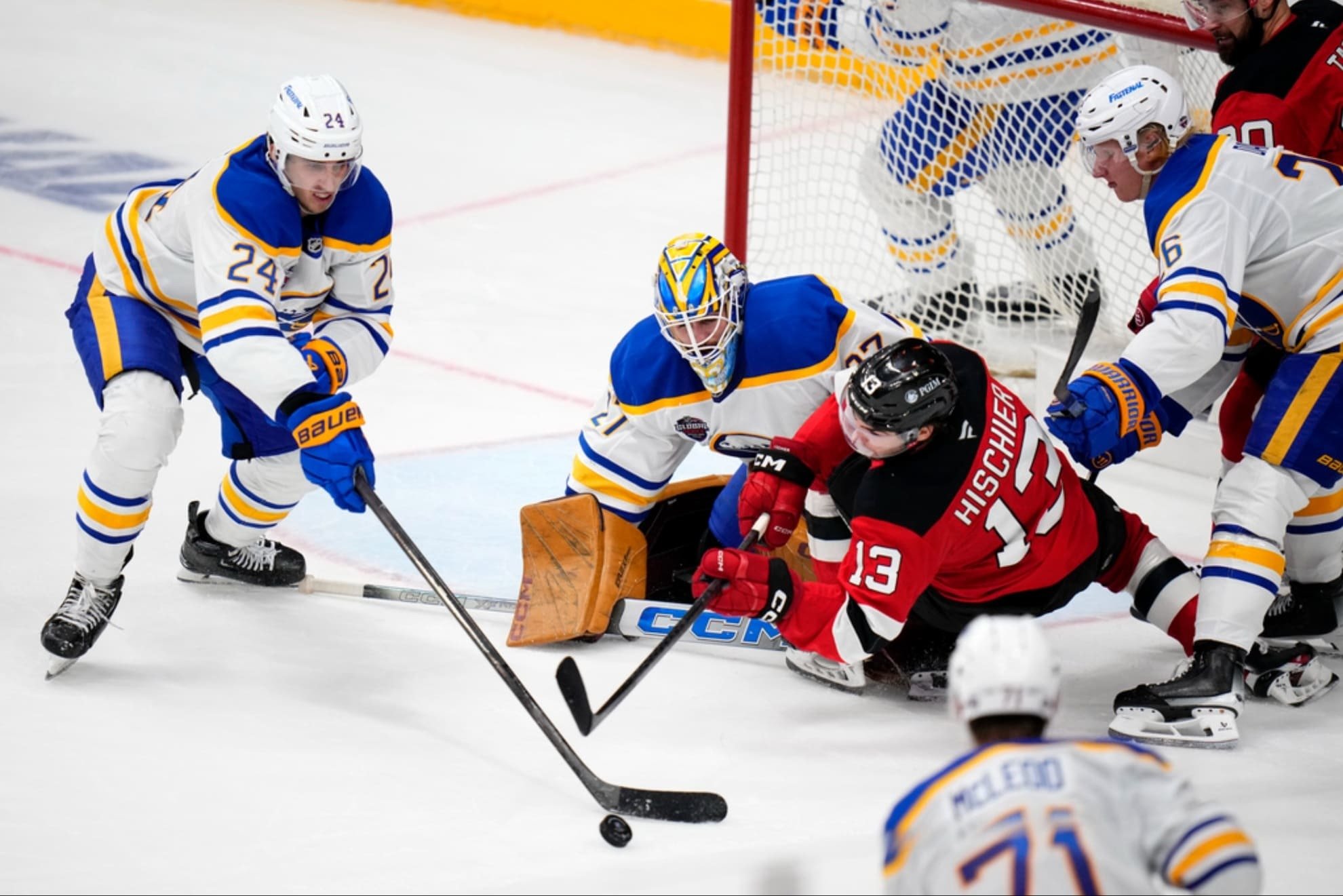
The typical duration of a hockey game is around 2.5 to 3 hours, including intermissions.
Ever wondered how long do hockey games last? It’s a common question for newcomers and even seasoned fans. The fast-paced action and frequent stoppages can make it feel like time flies by.
But, how long do hockey games last specifically? Well, the answer isn’t always exact, due to variations. There are factors that contribute to the overall game time, which we’ll examine in more detail.

How Long Do Hockey Games Last?
Okay, let’s talk hockey! If you’re new to the game or just curious, you might be wondering: just how long will I be sitting in that arena, or glued to the TV? The answer isn’t a simple one number, because a lot goes into the total time a hockey game takes. We’ll break it all down, so you know exactly what to expect. Think of it like this – it’s not just the clock on the screen you see during the game; there are intermissions, penalties, and even extra time sometimes!
The Core of a Hockey Game: Regulation Time
At the heart of every hockey game is what we call “regulation time.” This is the standard game length, and it’s divided into three equal parts, called periods. Each period is 20 minutes long. So, if we just played those three periods one after another, a hockey game would be 60 minutes long. It’s like watching three short movies all in one go, but with lots of skating and puck action!
The 20-Minute Periods: What Happens in Each One?
Imagine each period as its own little story. In each 20-minute chunk, players try to score goals, make great passes, and block shots. The clock is running down, the excitement builds, and the players give it their all. Once the 20 minutes are up, there is a small break, and then the next period starts.
Intermissions: The Breaks Between the Action
After each period of play, there’s a break called an intermission. This isn’t just for the players to catch their breath. It’s also for the Zamboni to clean the ice, making it nice and smooth for the next period. Think of it like the ice getting a little spa treatment! These breaks usually last for 15 to 18 minutes in professional leagues, while it can be shorter at junior leagues.
Why Do Intermissions Matter?
Intermissions are important for a few reasons. Players need time to rest and plan with their coaches, fans might need to grab snacks, and the ice needs its maintenance. These short breaks keep everyone energized for the next round. They’re like mini breaks within the game that allow everyone to come back fresh.
In a basic hockey game, you have:
- Three 20-minute periods.
- Two intermissions between periods.
Penalties: When Things Get a Little Longer
Sometimes, players break the rules. When this happens, they get a penalty, and have to sit in the penalty box for a specific time. These penalties can add to the total game time, as the clock stops during a penalty, or because of a power-play opportunity that could result in a goal, prolonging the game. The most common penalties are 2-minutes in length, some penalties like major or misconduct are 5 and 10 minutes.
Game Stoppages: Other Reasons for Clock Delays
Penalties are not the only reason the clock might stop. There are other stoppages too, such as when a player has an injury, when a goal is scored (the referee reviews the footage of a goal), or even when a puck goes out of play. These stoppages make the total game time last longer than just the playing time. A hockey game clock goes like this:
- The clock is running when the puck is in play.
- The clock stops when the puck is out of play.
- The clock stops when a penalty is called.
- The clock stops when there’s an injury, or a goal is reviewed by the referee.
Overtime: When the Game is Tied
What happens if the game is still tied after the three periods? In some games, they go into extra time, called “overtime.” This is basically another period of play, but it’s usually shorter and has different rules. For example, in the NHL’s regular season, overtime is a five-minute sudden-death period. This means that the first team to score wins. It is like a tiebreaker, adding more fun to the hockey game. During the Playoffs, the game can keep going on, where they play sudden death overtime 20-minute periods until a team scores.
Sudden Death: What Does it Mean?
Sudden death means that the moment a team scores, the game is over. The other team doesn’t get a chance to respond; this makes the overtime super exciting. You might see a whole hockey game get finished in less than a minute, or more than 20 minutes!
Game Length Breakdown: Putting It All Together
So, how long does a hockey game actually take? Let’s break it down into an estimate. Keep in mind that these are just estimates and actual times can vary:
- Regulation Time: 60 minutes (3 periods of 20 minutes).
- Intermission Time: Roughly 30-36 minutes (two intermissions lasting 15-18 minutes each).
- Potential Penalty Time: This can range from a few minutes to 20 minutes, depending on the number and type of penalties called.
- Potential Other Stoppage Time: Can add from 10 to 20 minutes (goals, reviews, injuries, etc.).
- Overtime (if needed): 5 minutes (NHL regular season) or 20 minutes or more (playoffs)
Total Average Time: So, adding all of that up, an average hockey game can last anywhere from 2.5 to 3 hours. However, it could be longer with lots of stoppages or overtime. Some games go on for more than 4 hours.
Variations in Game Length
It’s important to know that not all hockey games are the same. The length can depend on the level of hockey that is being played. For example:
Professional Hockey (NHL)
The National Hockey League (NHL) is the highest level of professional hockey. They have the standard 20-minute periods, 15-18 minute intermissions, and a 5-minute overtime in the regular season. NHL playoff games have 20-minute sudden death overtime periods. NHL games are typically around 2.5 to 3 hours, but can stretch longer during the playoffs or if there are many penalties.
Junior Hockey (e.g., OHL, WHL)
Junior leagues, such as the Ontario Hockey League (OHL) or Western Hockey League (WHL), are where many players start their careers. The game lengths are similar to the NHL, with 20-minute periods. However, they might have slightly shorter intermissions.
College Hockey (NCAA)
College games in the NCAA also have 20-minute periods, but the rules for overtime are different from the NHL. Usually the overtime is shorter, and if they are playing a tournament style, the overtime might follow the NHL overtime rules.
Youth Hockey
Youth hockey games at younger age levels can be shorter, with 15-minute or even 12-minute periods. The total time will depend on the specific league’s rules.
Factors That Influence Total Game Time
Many things can change the length of a hockey game. Here’s a quick list of what can make a game longer or shorter:
- Number of Penalties: More penalties mean more stoppages, and the game takes longer.
- Number of Goals: Goals cause the clock to stop, extending the game slightly.
- Referee Reviews: Reviews of goals can add extra minutes to the game.
- Injuries: If a player gets hurt, the clock stops, and they get medical attention.
- Overtime: This adds extra time to a game if the teams are tied at the end of regulation.
Why Knowing Game Length Matters
Knowing how long a hockey game lasts is important for several reasons. Firstly, if you are going to an in-person game, it helps you plan your time. You will know how much time you will be at the arena, including getting there and leaving. Second, if you are watching on television, it allows you to know how much of your evening or day will be taken up by the game. It helps you plan your schedule around the hockey game, so that you don’t miss any action.
Tips for Watching Live Games
So, you’ve decided to go watch a game live? Here are some helpful tips for fans:
- Arrive Early: Arrive earlier to avoid the lines and get settled into your seat.
- Plan for Extra Time: Keep in mind that the game could go longer. Plan for traffic delays or extra activities you might want to do before or after the game.
- Check the Schedule: Games can change from time to time, and you should always verify the schedule before you make your arrangements.
- Be Patient: The game length varies. Be prepared to stay until the end.
Using Game Length to Enjoy the Experience
The length of a hockey game is part of what makes it so exciting. The ebb and flow of the game, the breaks in the action, and the excitement of potential overtime all contribute to the experience. When you understand how long a hockey game lasts, and why the length of the game can change, you can enjoy it to the fullest! From the drop of the puck to the final buzzer, each minute is important. So, take a seat, enjoy the game, and maybe learn something new too!
In conclusion, while a regulation hockey game is 60 minutes of play, the total time, with intermissions, penalties, and potential overtime, typically ranges from 2.5 to 3 hours or sometimes longer. Understanding these nuances helps both new and seasoned fans plan their viewing and appreciate the full scope of this great sport. From the fast-paced action on the ice to the tension of sudden death overtime, the time spent watching hockey is always packed with action and emotion.
NHL Highlights | Sabres vs. Capitals – January 6, 2025
Final Thoughts
So, how long do hockey games last? The standard ice hockey game, including intermissions, runs roughly 2.5 to 3 hours. This duration involves three 20-minute periods of play, with breaks in between.
Penalties and stoppages can add to this overall time. The clock stops often during play, extending the game’s length. The actual time on the clock reflects only when the puck is in play.
Therefore, planning for a hockey game means allocating about three hours. Keep this timing in mind when you are heading to a game or watching on TV. How long do hockey games last can vary but this is typical.

