
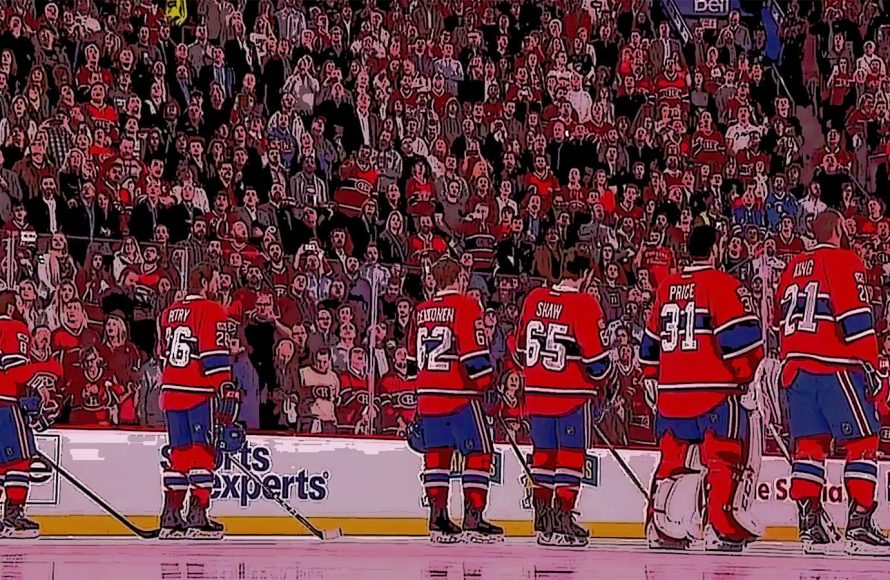
A standard hockey game lasts 60 minutes, divided into three 20-minute periods, with intermissions in between.
Ever wondered about the flow of a hockey game? The fast-paced action makes it seem like time flies, but how long does a hockey game last exactly? It’s a common question for both new and seasoned fans.
The actual game clock doesn’t run the full time though. You will find the clock stopping for penalties, goals, and other stoppages in play. This extends the total time of the game quite a bit.

How Long Does a Hockey Game Last?
Ever watched a hockey game and wondered how long it’s going to be? It’s a common question! The simple answer is that a standard NHL (National Hockey League) game is 60 minutes long, but there’s a lot more to it than just that number. Let’s dive into all the details that make up the total time you’ll spend watching a hockey match.
The Three Periods: The Heart of the Game
A hockey game is split into three main sections called periods. Each of these periods is 20 minutes long. Between each period, there is an intermission, which is a break that gives the players time to rest and the fans a chance to grab snacks or stretch their legs. Think of it like the chapters in a book, each important and contributing to the overall story of the game.
Clock Management and Stopped Time
Now, here’s a crucial part: the game clock doesn’t run continuously like a clock in your room. It stops during different moments of the play. Whenever the puck goes out of bounds, when there is a penalty, or even during a goal celebration, the clock stops. This is why, although each period is 20 minutes in length, it typically takes longer than 20 minutes of real time to play each period. These stops are important for maintaining a fair and organized game.
What Causes the Clock to Stop?
Several things can cause the clock to stop during a hockey game. Here are some examples:
- Puck out of play: If the puck goes out of the playing surface, the clock will stop. This ensures the play is restarted fairly.
- Penalties: When a player breaks the rules and gets a penalty, the clock pauses while the referee sorts things out.
- Goals: When a player scores, the clock stops momentarily as the players celebrate.
- Injuries: If a player gets injured, play stops immediately, and the clock pauses so medical staff can attend to the player.
- Offsides: When the attacking player crosses the attacking zone’s blue line before the puck, the play will be stopped.
- Icing: When a player shoots the puck from behind their own defensive zone’s center red line to the opposing team’s goal line without being touched, the play will stop.
- Timeouts: The coaches get a limited number of timeouts during the game where they can call a short pause to speak with their players and the clock stops during the timeout.
Intermissions: Breaks Between Periods
Between each of the three periods are intermissions. These aren’t just quick pauses, they are longer breaks to give the players time to rest, strategize with their coaches, and change their gear. Generally, an intermission is 15 to 18 minutes long in the NHL. During this time, you might see the zamboni (a machine that smooths the ice) or even some fun activities to entertain the crowd.
How the Intermissions Affect Game Length
These intermissions are a significant factor in determining the total time of a hockey game. They add about 30 to 36 minutes of stoppage time to the 60 minutes of playing time. This is why hockey games are a lot longer than just an hour.
Overtime: When Games Need Extra Time
What happens if the score is tied after the three periods? This is where overtime comes in. Overtime is a period played to decide a winner. In the regular season, overtime is different than in the playoffs. Let’s break down both versions of overtime.
Regular Season Overtime
During the NHL regular season, if the score is tied after the third period, there is a 5 minute overtime period. The teams play 3-on-3 hockey, meaning only three players from each team are allowed on the ice during overtime. If no one scores in overtime, the game ends in a tie, and the game goes to a shootout. Each team picks 3 players to participate in the shootout, and the team who has the most goals from their shootout attempts wins the game.
Regular Season Shootouts
If there is still a tie after a regular season overtime, it will go to a shootout, which is where players take penalty shots. The team that has the most scores in the shootout wins the game. The team that wins the shootout gets 2 points and the team that loses the shootout gets 1 point in the league standings.
Playoff Overtime
Overtime during the NHL playoffs is very different. Playoff overtime periods are 20 minutes long and play goes until a team scores and the game does not end in a shootout if the score is tied. The teams play 5-on-5 during overtime and these overtime periods are played until someone scores and the game is finished.
Why is Playoff Overtime So Long?
The long overtime periods in the playoffs make the games more exciting, and ensures that every game has a decisive winner. If no team scores in the initial overtime period, another full overtime period is played. This continues until a goal is scored and one of the teams wins.
Estimated Game Time: Putting It All Together
So, with all this information, how long does a typical hockey game last? Generally speaking, you can expect a regular season NHL game to take about 2 hours and 30 minutes. This includes the 60 minutes of playing time, the two intermissions, and the possibility of overtime. However, the actual time can vary depending on the number of stoppages in the play and if the game goes to overtime.
Factors Affecting Game Duration
Various things can impact the total length of a hockey game. Some factors are:
- Number of penalties: More penalties mean more stoppages, which will extend the game time.
- Injuries: If a player gets injured, play stops until the player gets help or can continue playing.
- Frequency of goals: Goal celebrations can add a little time.
- Length of Intermissions: Sometimes, intermissions can be a little longer or shorter than the scheduled 15 or 18 minutes.
- Overtime: Whether or not the game goes into overtime and how long that overtime lasts will impact the game’s overall time.
Other Levels of Hockey
It’s important to remember that the length of a hockey game can differ at different levels of play. For example, youth hockey games are typically shorter than professional games because the younger players have less stamina.
Youth Hockey
Youth hockey games can have shorter periods of play, maybe 10 to 15 minutes long, and sometimes shorter intermissions. The number of periods can also vary. The total game time for a youth game might be an hour or less, which is perfect for a younger audience.
College Hockey
College hockey games usually follow rules similar to NHL games but may have slightly shorter intermissions and overtime formats. A typical college hockey game might last around 2 to 2.5 hours.
International Hockey
International hockey, like during the Olympics, often follows the same format as the NHL but the rules can be slightly different. For example, international overtime periods are 5 minutes long and 3-on-3 during the preliminary round and 10 minutes during the quarter finals, semi-finals, and bronze medal game. The gold medal game also plays a full 20-minute overtime period, and if still tied another full 20 minute period is played until someone scores, similar to the NHL playoffs.
Understanding the Game Clock
Understanding how the game clock works is very important when watching a hockey match. The clock runs during active play and stops when there is an stoppage to the play, or during intermissions. With all of these combined, it’s important to know that there is a huge difference between actual playing time and how long you’ll be watching the game.
Tracking Game Time
Fans sitting at the arena or at home will usually see the game clock on the big screen or on television. This clock helps fans know how much time is left in the current period or in the game overall. Remember, when the clock is stopped, the time doesn’t decrease and this ensures that a game of hockey will always play a total of 60 minutes.
In short, while the official playing time of a hockey game is 60 minutes, the intermissions and stoppages of play mean you can expect a hockey game to be a lot longer than one hour. Whether you’re watching a professional match or a local game, knowing how the clock works, will enhance your watching experience and help you understand the flow of a hockey game.
So, next time you settle in to watch your favorite team, you’ll know just about how long you’ll be cheering them on, with all the twists and turns a hockey game might bring.
How long is a hockey game?
Final Thoughts
A standard hockey game lasts 60 minutes, divided into three 20-minute periods. Between periods, there are intermissions for rest and strategy adjustments. These breaks usually last around 15-18 minutes.
Penalties and stoppages add to the overall game time. So, the actual duration of how long a hockey game last can easily exceed two hours. The game clock stops during play stoppages.
Overtime periods in playoffs can extend game time significantly. Therefore, calculating the total game duration requires considering these factors. Knowing the period lengths will help you plan your viewing time.

