
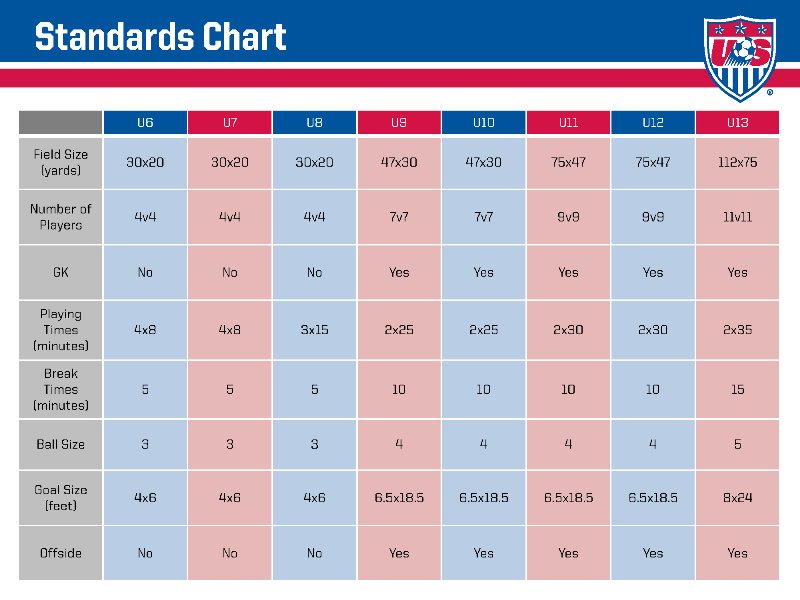
9v9 soccer games typically last between 50 to 60 minutes, often split into two 25-30 minute halves.
Figuring out the duration of matches can be tricky with different formats. You might be wondering, just how long are 9v9 soccer games? This is a common question for players, coaches, and parents. Game lengths vary a bit based on the specific league or competition rules.
The standard duration for a 9v9 match often falls within that 50-60 minute range. However, younger age groups might play shorter halves. Always confirm official rules before the game begins to be sure of the actual playing time.

How Long Are 9v9 Soccer Games?
So, you’re wondering about how long a 9v9 soccer game lasts? It’s a great question, and the answer isn’t always the same! It depends on a few things, like the age of the players and the rules set by the league or tournament. Let’s dive in and explore all the details, so you know exactly what to expect. We will look at the typical game lengths, what factors influence them, and even a bit about why those times are chosen. We will also check the game length based on age groups and rules by different organizations.
Understanding the Basics of 9v9 Soccer
First, let’s talk about what 9v9 soccer actually is. Unlike the usual 11v11 game you might see professional teams play, 9v9 soccer is played with, you guessed it, nine players on each side. This format is often used for younger players or in leagues with smaller fields. It allows for more space on the field for each player, which means more touches on the ball, better opportunities to learn the game, and more fun for everyone. It’s a stepping stone between smaller sided games, like 7v7, and the full-sized 11v11 game.
The size of the field is different too, being smaller than a standard 11v11 pitch. This helps younger players navigate the game without getting too worn out. This format makes the game very engaging and helps improve the players ball control, passing, and overall soccer understanding.
Typical 9v9 Game Lengths
Now, let’s get to the heart of the matter: how long are the games? Most 9v9 games are shorter than 11v11 games because they are tailored for developing players, who might not have the endurance for longer matches. Here’s a general idea of typical game lengths:
Age Groups and Game Durations
The game length is primarily decided based on age group, with shorter game lengths being more common in the younger age brackets. Typically, you can expect the below durations.
- U9 and U10 (Under 9 and Under 10): Games in these age groups typically consist of two 25-minute halves. This gives a total playing time of 50 minutes. These ages are focused on learning basic soccer skills and team play.
- U11 and U12 (Under 11 and Under 12): At this stage, game times often increase slightly. Here, you might see games with two 30-minute halves. That means 60 minutes of total playing time. Players at this stage begin to understand the importance of positions and start to strategize.
- U13 and U14 (Under 13 and Under 14): In these age groups, game lengths can vary, some leagues will still stick with 30 minute halves, but others can move to 35-minute halves. In either case, the typical total game time will be between 60 and 70 minutes. Players at this age have developed more skill, speed and stamina and the games become more competitive.
- Older Age Groups: Sometimes, older age groups might still play 9v9, often in leagues that are development focused or in tournaments. When that happens, their games will mirror their 11v11 counterparts and could be anywhere from 35 to 45 minute halves.
Factors Affecting Game Duration
While these are common guidelines, several things can influence the exact length of a 9v9 soccer game. It’s important to understand these factors, as the times can vary. Here are the key elements that might impact the game duration:
League Rules and Regulations
The biggest factor influencing game time is the rules and regulations set by the specific league or tournament. Different organizations can have their own standards that they consider best for youth development.
- Local Associations: Local soccer associations, such as state or regional governing bodies, have the power to set their game time rules. They will consider things such as the age and skill level of the players. For instance, a local community league might choose shorter game times to keep the pace fun for younger kids.
- National Organizations: In the USA for example, US Youth Soccer and other national bodies might have their guidelines or recommendations for game duration. The rules set by these organizations are frequently followed by many clubs and local leagues, though not always.
- International Federations: For games played at a more competitive level, rules from international organizations like FIFA can be relevant, however these rules do not apply as strongly to the duration of game times for young players playing 9v9 soccer.
Tournament Formats
The format of the tournament is another big player in figuring out how long a game will be. Tournaments, for instance, often have shorter game durations than regular league games to allow for multiple matches to be played in a shorter time.
- Group Stages: During the group stages of a tournament, games are usually shorter to accommodate the teams playing several matches over a couple of days. This is so teams have a little more recovery time between games.
- Playoffs/Knockout Stages: As a tournament progresses, the games may have longer times, especially in the latter stages of the event. Sometimes, organizers want to provide a more game-like experience for these higher stakes matches.
- Special Events: For special soccer events, organizers might set game lengths differently to suit the nature of the occasion. These events can be festivals or other unique soccer experiences.
Weather Conditions
The weather can also play a part. Here are a few ways the weather can affect the game length:
- Extreme Heat: In really hot weather, officials might shorten game halves or include additional water breaks. This helps to keep the players safe and prevent dehydration and overheating.
- Rain or Snow: In some cases, very heavy rain or snow might lead to a shortened game, especially if the field becomes very unsafe to play on. This is more likely to impact the overall game length if weather becomes problematic mid game.
- Lightning: If there is lightning in the area, games will be stopped and potentially shortened, as player safety is always the most important thing. In this situation, there is a chance of a delayed restart and shortened game to get through the schedule.
Halftime Intervals
Don’t forget to consider the halftime break! Halftime is when players get a chance to catch their breath, get coaching advice, and drink some water. Usually, halftime in 9v9 games will be between 5 and 10 minutes. This break is a crucial part of the game experience.
Why These Game Lengths?
Why are 9v9 games not the same length as a typical 11v11 game? Here’s a look at the reasons why:
Player Development
Shorter game lengths benefit player development in a few ways:
- Reduced Fatigue: With shorter games, young players don’t get as tired. This helps to ensure they can maintain their focus and energy to learn. It also reduces the risk of injury and allows players to enjoy their soccer experience more.
- More Engagement: Shorter games allow players to be more involved and actively participate in the play for the duration of the match.
- Skill Development: Players have the ability to keep their focus which helps them learn new skills and improve their gameplay. This is essential for overall improvement and growth as players.
- Enjoyment of the Game: Shorter game times can also make the game more fun and engaging for young players and helps make sure that they stay motivated to learn and improve.
Physical Considerations
The physical development of young players is always a key consideration. Shorter game lengths are mindful of the limited endurance that younger children have.
- Age Appropriate Stamina: Young players are still developing their stamina and endurance. Games are made shorter to fit their physical capabilities.
- Injury Prevention: Playing for too long can lead to a higher risk of injuries for children. The shorter games help to minimize this risk.
- Proper Physical Development: It’s important to match the physical demands of the game to the age and development of the players. Shorter games allow children to learn at a pace that matches their current abilities.
Time Management
Shorter game lengths are also beneficial from a time management perspective. This allows for more flexibility for teams and organizers. Here’s how:
- Scheduling Flexibility: Shorter game durations mean that more matches can be scheduled in a single day, in turn making it easier to organize tournaments and leagues.
- Multiple Teams: Fields can be used more efficiently, making it easier to fit in many teams for a single day.
- Travel Considerations: The flexibility with game scheduling can be helpful for families traveling to tournaments and for local leagues that need to manage time constraints on field space.
A Quick Recap
Let’s summarize what we’ve learned. Here is what you should keep in mind about 9v9 game lengths:
- Common Durations: Typical 9v9 games can vary from 50 to 70 minutes of total playing time, often split into two halves.
- Age-Related Adjustments: Younger age groups (U9-U10) often have shorter games, while older groups (U13-U14) might play a little longer.
- League Rules: The rules of the specific league or tournament are the most important determining factors for the length of the game.
- Tournaments vs. Regular Games: Tournament games might be shorter to allow for a quicker tournament schedule.
- Weather: Conditions like extreme heat, heavy rain, or lightning can sometimes lead to games being shortened for the safety of the players.
- Halftime Break: There is usually a short halftime break to allow the players to rest and regroup.
- Development Focused: The lengths of the games are primarily determined by what is best for the development of young players.
It’s always a good idea to check with your specific league or tournament organizers for the exact game length details. This will help you know what to expect and allow you to prepare appropriately. Now that you know all about how long 9v9 soccer games are, you can get out there and enjoy the game even more.
Examples of Playing out From the Back in a 9v9
Final Thoughts
Generally, 9v9 soccer games last for 60 minutes, typically divided into two 30-minute halves. This duration might slightly vary based on the league or the age group of the players involved.
Younger players often play shorter games, while older groups maintain the 60-minute standard. The most important question is how long are 9v9 soccer games; It’s often 60 minutes but check with the specific league you play in for confirmation.

