
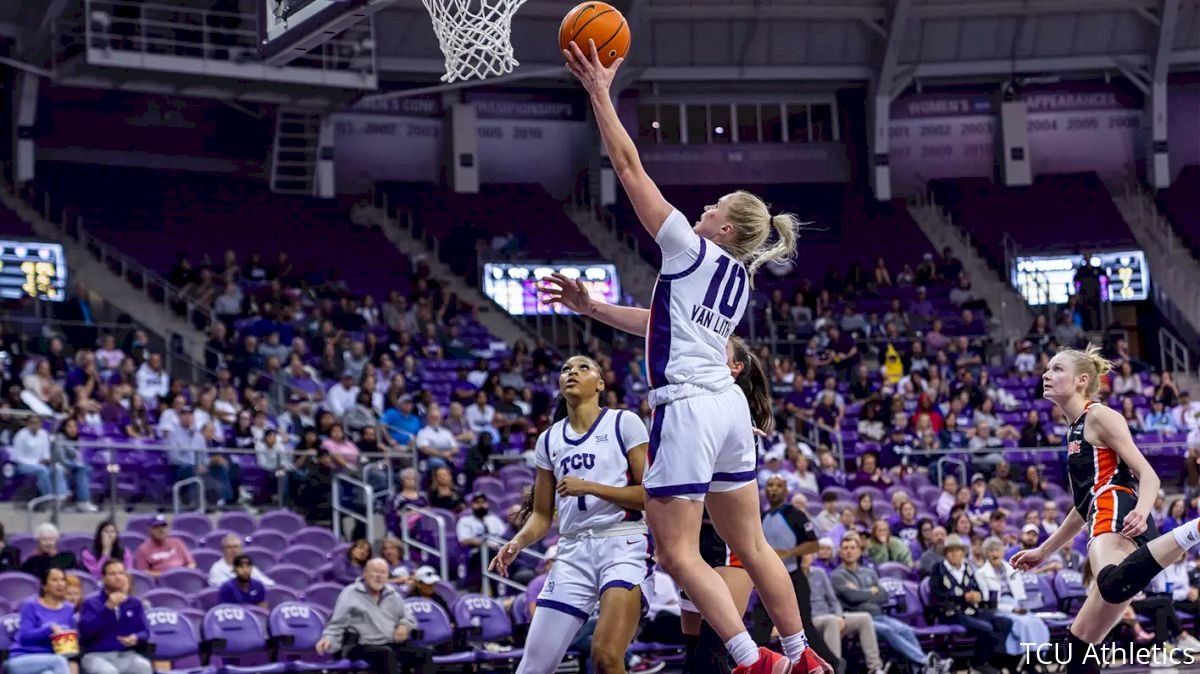
College women’s basketball games typically last for 40 minutes, divided into four 10-minute quarters.
Ever wondered how much time you’ll need to set aside to catch a college women’s basketball game? It’s a fair question! The flow and pace of the game can feel quite different from other levels.
If you are curious about how long are college womens basketball games, the answer is straightforward and consistent across all NCAA divisions. This standard duration provides an exciting and engaging experience for fans and players.

How Long Are College Women’s Basketball Games?
Okay, let’s dive into the exciting world of college women’s basketball and talk about game length! If you’re a fan, or thinking of becoming one, it’s good to know how much time to set aside for a game. Unlike some other sports, basketball games aren’t a set length. They are divided into sections, and there are other things that can affect how long a game lasts. So, let’s break it down so it’s super clear.
The Basics: Quarters and Halftime
First things first, college women’s basketball games are played in four quarters. Each quarter is 10 minutes long. That means there are 40 minutes of playing time in a regular game. But a basketball game isn’t just about those 40 minutes on the clock.
- Each Quarter: 10 minutes
- Total Playing Time: 40 minutes
Between the second and third quarter, there is a longer break, called halftime. Halftime is usually 15 minutes long. This gives the teams a chance to rest, and for the coaches to discuss strategies with their team. It also gives fans time to get more snacks or use the restroom!
Timeouts: Little Breaks That Add Up
Teams get to call timeouts during the game. These are short breaks that coaches can use to talk with their players, make a plan, or let players catch their breath. Each team gets a certain number of timeouts per half and sometimes even additional ones in overtime. These timeouts pause the game clock. So, even though they are short (usually 60 or 30 seconds), all those little breaks add to the overall time of the game. The more timeouts called in a game, the longer the game will be in actual time.
How Many Timeouts Do Teams Get?
Usually, college women’s teams get a certain number of full timeouts (60 seconds) and short timeouts (30 seconds). They generally get four full timeouts and two 30-second timeouts per game. But, sometimes, they get an additional full timeout in overtime. These can really add to the total length of the game, especially if there are a lot of close calls or a tense atmosphere.
Clock Stoppages: When the Time Pauses
The game clock doesn’t run continuously. It stops many times during the game. There are some situations that cause the clock to pause. These clock stoppages contribute to the game’s total time. Here are a few reasons the clock will stop:
- Fouls: When a player breaks the rules, the referee will call a foul and this stops the clock.
- Out-of-Bounds: If the ball goes out of bounds, or the officials are deciding on who got the ball out of bounds, the clock stops.
- Jump Balls: When two players have possession of the ball at the same time, there is a jump ball, and the clock stops.
- Made Baskets in the Last Minute of each Quarter: When a team scores at the end of each quarter, the clock pauses momentarily.
- Injuries: When a player is hurt, the clock stops until that player is attended to.
- Timeouts: As mentioned earlier, during timeouts, the game clock stops.
Because the clock stops frequently in basketball games, the total time from start to finish is usually longer than the 40 minutes of playing time.
Overtime: What Happens When It’s Tied
Sometimes, the game is tied at the end of the fourth quarter. When this happens, teams play an extra period called overtime! In college women’s basketball, overtime periods are five minutes long. If after that overtime, the score is still tied, they play another overtime, and this continues until the tie is broken. Each overtime period takes additional time and adds to the overall game length. If a game goes to multiple overtimes, it can greatly affect how long it takes to finish the game.
How Many Overtime Periods Can There Be?
There is no limit to how many overtime periods a game can have in college women’s basketball. Teams keep playing overtime periods of five minutes each until someone wins! This means if the game is very close, it could go on for a while.
How Long Does a Typical Game Take in Real-Time?
So, while the official playing time is 40 minutes, the actual length of a game, from start to finish is usually around two hours. But keep in mind this is just an average and the game can be shorter or longer depending on certain situations.
Here’s what typically happens during a game, time wise:
- Pre-game warm-ups (before the game starts): Around 30 minutes
- Actual game time including stoppages: Around 1 hour and 45 minutes
- Halftime break: 15 minutes
- Post-game cool-down/celebration: Around 15-20 minutes
This adds up to around two hours, but remember, this can change. Games with lots of fouls, timeouts, or overtimes will take longer. On the flip side, a game that flows well without many whistles or delays might finish a little faster. These variations make basketball games exciting and unpredictable.
Factors That Can Affect Game Length
Many things affect the time it takes for a game to finish. Here are some of the main ones:
Number of Fouls
If there are many fouls during the game, the clock stops more often, and there are free throws to take. Each foul causes a short delay, and lots of fouls add to the overall game time.
Number of Timeouts
If a coach uses many timeouts, this adds to game time. Close games often see more timeouts as coaches try to strategize and guide their players. The more timeouts a coach uses, the longer the game becomes, especially when teams call a full timeout during the game.
Close Games
Close games often have more fouls and timeouts. Teams will use time outs to draw plays or get needed rests. Also, the clock often stops during the last few minutes. These factors add more minutes to the total game time. Close games usually result in more excitement and suspense but also add extra game time.
Injuries
If a player gets hurt, the game is paused. The clock will stop until the player is helped. An injury can sometimes make the game time much longer if the injury is serious.
Overtime
Overtime periods are each five minutes long and they greatly affect the total time of a game. Multiple overtimes can make a game very long!
How Game Time Affects Players
It is very physically demanding for basketball players to compete for long periods. Even though the official play time is 40 minutes, the game’s total duration requires players to have a high level of fitness and stamina. The stoppages during the game help the players rest a little bit, but it’s still a demanding sport.
Player Stamina and Endurance
Basketball requires quick bursts of energy, and players must be able to maintain that level of energy throughout the game. They need to be able to run up and down the court, jump for rebounds, and be quick on offense and defense. Training helps them get ready for these physical demands. The long breaks during half time and timeouts give the players a chance to recover and prepare for the rest of the game.
Strategies for Managing Time
Coaches are really important for managing the game time. They have strategies for how and when to call time outs, and they plan how their players will manage their energy throughout the game. They also have a plan for the last few minutes of the game to make sure they get the best outcome. The goal is to make sure their team is ready to play hard until the final buzzer.
Differences with Other Basketball Levels
It’s worth noting that the length of a women’s college basketball game is different compared to other basketball levels. For example, professional women’s basketball games (like WNBA) are different, and the way the clock works is also a little different. The playing rules are slightly different in WNBA as well. High school basketball games often use quarters that are shorter. For example, in many high school leagues, the game is divided into four eight-minute quarters rather than ten minutes. These small differences add up and can result in a very different time for the game. Understanding the game length for each level of play can help you as a fan keep track and plan accordingly.
So, the next time you settle in to watch a college women’s basketball game, remember that while the official playing time is 40 minutes, the actual game time, due to stoppages, timeouts, and other factors can be around 2 hours. Keep an eye on the fouls, timeouts, and of course, any overtime periods! This will give you a good idea of how much time you’ll be sitting there enjoying the game. It’s all part of the excitement of college basketball!
Top 10 Women Basketball Teams in 2025!
Final Thoughts
College women’s basketball games are typically 40 minutes long, divided into four 10-minute quarters. This format is consistent across all NCAA divisions. There are also timeouts and halftime which adds to the total time.
Understanding how long are college women’s basketball games is key for planning to attend or watch a match. The game clock stops during certain events, affecting the total time.
So, the actual time a game takes might exceed the 40 minutes scheduled.

