
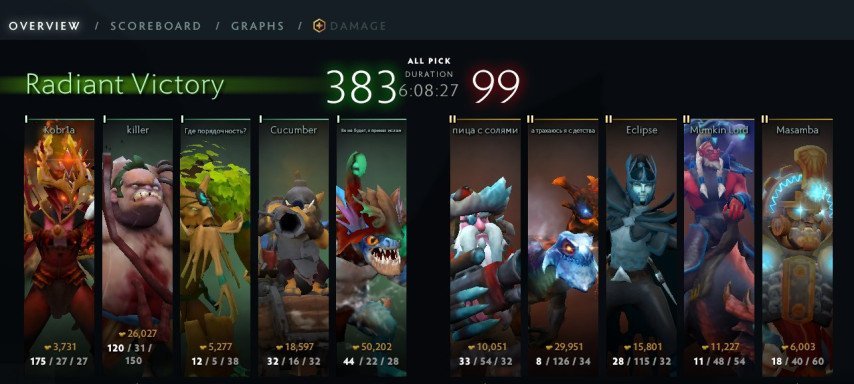
Dota 2 games typically last between 30 and 60 minutes, but some can extend to 90 minutes or more, depending on the game’s dynamics.
Curious about jumping into a Dota 2 match, but wondering about time commitment? It’s a valid question, especially when you have other things to do. People often ask, how long are dota 2 games?
The answer isn’t always straightforward, as several factors can influence the duration. Early game momentum and team compositions play a crucial role in determining match length. A quick victory can occur if one team dominates early.
On the flip side, games might drag on for an hour or even longer with evenly matched teams. Players need to be prepared to set aside some time for their games.

How Long Are Dota 2 Games?
So, you’re diving into the world of Dota 2, a game where heroes clash and ancient towers fall. One of the first questions new players (and even some seasoned veterans!) often have is: “How long will this match actually take?” It’s a great question, and the answer, like most things in Dota, isn’t always simple. It’s not like a game of checkers where you know things will be over in about 15 minutes. Dota 2 matches can vary quite a bit. Let’s explore what influences the length of a Dota 2 game, so you know what to expect when you hit that “Find Match” button.
The Average Dota 2 Game Length
Let’s start with a general idea. On average, a typical Dota 2 game lasts anywhere from 30 to 45 minutes. This is a good ballpark figure to keep in mind. Think of it like a TV show episode; you probably won’t finish a season in one go, but you also won’t be stuck watching for hours at a time. However, remember that this is just an average. Some matches can be much shorter, and some can be significantly longer.
Factors Influencing Game Duration
Several factors play a role in determining how long a Dota 2 game will last. These include the skill of the players, the heroes chosen, and the overall strategies being employed. Let’s dive into these:
Skill Level and Matchmaking
The skill level of the players is a big factor. In matches where teams are evenly matched, you can expect the game to last a little bit longer. This is because neither team can easily push their advantage and end the game quickly. Players are more cautious, trying to outmaneuver their opponents rather than making overly aggressive plays. The game becomes more about strategic decision-making and less about outright brawling. In contrast, if one team is much better than the other, the game can end quickly. The stronger team will likely secure early advantages, take down towers swiftly, and push to the ancient, making for a quicker resolution. Dota 2’s matchmaking system tries to pit players of similar skill levels against each other, but sometimes it isn’t perfect, and you can see more lopsided matches.
Hero Composition
The heroes that are picked by each team can greatly affect the game’s length. Some heroes excel at pushing down towers early, and this can lead to a faster game. Examples include heroes like Leshrac, who can clear waves of creeps very quickly. Other heroes, like Medusa, are known as “late-game” heroes. These characters get stronger as the game goes on, and this can lead to longer, more drawn-out games. When both teams pick these sorts of late-game heroes, players can expect to grind it out for a while before someone has a clear upper hand.
Gameplay and Strategy
The style of play and strategy of the teams also matters. Teams that play aggressively and try to end the game early will often finish the match quicker. They’ll take objectives like towers and Roshan as soon as possible, and they’ll consistently pressure the enemy team. On the other hand, if teams play more defensively and focus on farming up, the game can become much longer. These teams may try to drag the game out until they get their powerful items before engaging in big team fights. In some cases, teams can get into a stalemate, which can drastically prolong the match duration. If neither side is willing to commit, the games can become prolonged.
Early, Mid, and Late Game
Dota 2 has distinct stages – early, mid, and late game. The early game usually focuses on lane control and securing resources. The mid-game is where team fights start to happen more frequently and objectives become crucial. Late game sees powerful heroes with lots of items, and decisive team fights. Understanding these stages is helpful in estimating the overall time of a Dota match. Early game is relatively quick. It lasts for around 10-15 mins. Whereas Mid-game can start from 15 mins and goes on until 35 mins. If the game goes for late game, which starts usually after 35 minutes, the game might become longer and reach 40 to 60 minutes.
Game Modes
The game mode you’re playing also affects match length. The most common mode, “All Pick,” generally falls within the average 30-45 minute range. Other modes, like Turbo, which features faster gold and experience gain, often see games end in 20-30 minutes. Conversely, “Ranked Roles” games may take a bit longer due to the higher stakes and more careful gameplay. Custom game modes can vary wildly in length, depending on the specific rules.
The Impact of Surrenders
Dota 2 doesn’t have a formal “surrender” button, but the option to end the game early does exist. If one team has a severe disadvantage, it’s not uncommon to see one or more players on that team disconnect from the game, which can lead to a quicker end. This sometimes makes sense to save time from an already lost game. Though not an official mechanic, this phenomenon is a factor affecting the length of the game. Keep in mind that a team must lose all of its players for the game to end this way, so having even one player stay will keep the game going.
Typical Match Length Breakdown
Here’s a more visual breakdown of the different time ranges you might encounter:
- Short Games (20-30 minutes): These often occur when one team gets a strong early lead, and it just snowballs. They can also occur in Turbo matches, where the increased pace of the game makes matches generally faster. Sometimes, one team loses multiple players to disconnections, leading to a quick conclusion.
- Average Games (30-45 minutes): This is the most common length for matches in All Pick and Ranked Modes. These matches feature back-and-forth action, team fights, and a more strategic approach.
- Long Games (45-60+ minutes): These games are typically characterized by teams that play cautiously, have a lot of late-game heroes, or those who reach a state where neither team can gain a solid lead.
Strategies for Faster Games
If you’re someone who prefers quicker matches, there are some strategies you and your team can employ. Let’s explore how you can try to steer the game towards a faster conclusion:
Early Game Aggression
Picking heroes known for their early game power, and playing aggressively in the early stages of the match, can help in shortening your games. By constantly applying pressure on enemy heroes, and taking objectives like towers and Roshan early, you can aim to end the game early. However, it’s important to remember to play strategically, and don’t just blindly run into the enemy base, or overextend beyond the safe limits. Always focus on strategic gameplay that gives advantages to your side.
Objective Focus
Instead of only focusing on getting kills, prioritize taking objectives like towers and barracks. These objectives will allow you to push towards the enemy’s ancient very fast, and will eventually give you the win. By taking down these objectives quickly, you are creating openings for your team, allowing you to push deeper into enemy territory. This method is a better way of ending the match quicker as compared to constant hero fights.
Efficient Farming
If your goal is to get to the late-game quicker, focusing on efficient farming is a very crucial aspect. By gaining gold and experience quickly you are setting yourself up for a smooth transition to the late-game. A very farmed hero will be very hard to kill, and will deal immense damage to the enemy heroes, which helps win your games faster.
Team Communication
Good teamwork and communication are essential in Dota 2. Teams that work together, communicate their plans effectively, and coordinate their attacks will almost always play faster games than those who don’t. If you and your team are on the same page, you can get objectives faster, and end your match much quicker, and can prevent a prolonged late-game phase.
Strategies for Longer Games
If you enjoy the slow burn of a longer game, there are also some strategies you can utilize to drag out your games:
Late-Game Heroes
By picking late-game scaling heroes like Spectre, Anti-Mage, and Medusa, you can make sure you have a strong late-game presence. These heroes need time to get powerful items, and therefore you are setting yourself up for a longer game. These heroes might have a slow start, but once they get the appropriate items, they will be unstoppable, and you can use them to turn the game around in the late-game.
Defensive Playstyle
Employing a defensive play style, by playing safe and focusing on farming, can drag out the match. When you avoid team fights and constant engagements, you will generally play a very long match. By taking a defensive position, you are essentially allowing both teams to get to late game, thus lengthening the match. This works great when your team has a better late game composition.
Team Fights
When teams constantly engage in team fights without securing other map objectives, the game might be very long. Because no one is taking any objectives or breaking the stalemate, the game can continue for a very long period. Constant team fights, might be very fun, but they do increase the overall length of a Dota 2 game. If a team fight happens, and if neither side can gain any advantage from it, there is no way to progress into the game, and eventually drag the game longer.
Can You Track Game Length?
Yes, the in-game scoreboard shows the match timer, letting you keep track of how long the game has been going on. There are also third-party tracking tools and websites which can give you statistics on your average game length, and even break down the length of individual matches. Some of these tools can also provide deeper insights into your overall performance, and where you can improve.
Understanding how long a Dota 2 game might be can significantly improve your gaming experience. While the average playtime is between 30 and 45 minutes, games can range significantly depending on your and your team’s gameplay and strategy. Considering these factors before beginning your game can help you manage your time effectively, and prepare mentally for the challenge ahead.
10 Year Veteran in Both LoL and Dota 2: Which is Better?
Final Thoughts
Dota 2 matches vary in length, typically lasting between 30 and 50 minutes. However, some games can end sooner due to early surrenders or snowballing advantages. Longer, drawn-out matches, which can exceed an hour, also occur.
Factors like skill level, team compositions, and specific in-game events influence match duration. How long are dota 2 games ultimately depends on the decisions made by the players and the evolving game dynamics.

