
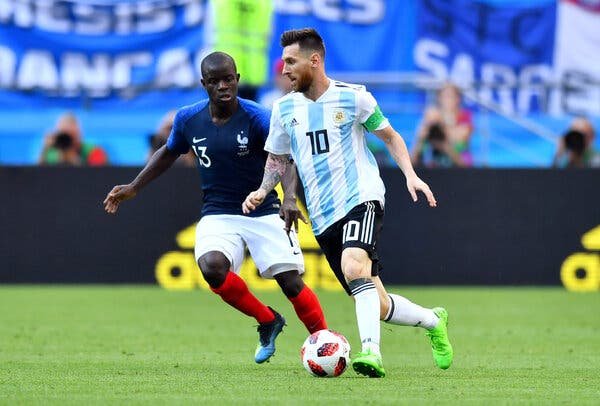
European soccer games typically last 90 minutes, with two 45-minute halves and a halftime break, plus any added stoppage time.
Have you ever found yourself wondering, just how long are european soccer games? It’s a question many new fans have, and the answer is not as simple as stating 90 minutes. The clock runs, but not always consistently.
This is because injury stoppages and other delays can extend a match’s duration beyond the standard 90 minutes. This added time makes each game slightly different.

How Long Are European Soccer Games?
Okay, so you’re curious about how long those exciting European soccer games actually last, right? It’s a great question! It’s not as simple as saying “exactly 90 minutes,” because there are some extra bits and pieces that can affect the overall time. Let’s dive into the details and get you all clued in on the timing of European football (soccer) matches.
The Standard 90 Minutes
The core of every European soccer game is the standard 90 minutes of play. This is split into two halves, with each half lasting 45 minutes. Think of it like two 45-minute episodes of your favorite show. Easy enough, right?
Here’s a quick breakdown:
- First Half: 45 minutes
- Half-Time Break: Usually 15 minutes (but it can sometimes be shorter!)
- Second Half: 45 minutes
So, that’s the basic structure of the match. But wait, there’s more! Just like baking a cake, you need to add some extra ingredients, and in soccer, these are things like “added time” and “extra time”.
Understanding Added Time (Injury Time)
You’ll often hear the term “added time” or “injury time” at the end of each half. This isn’t extra time in the way you think; it’s time added on to make up for stoppages that occurred during the regular 45 minutes. These stoppages can include things like:
- Player Injuries: If a player gets hurt, the referee will stop the game, and then add this time at the end of the half.
- Substitutions: When players are changed on the field, it takes a few moments, and the time is added on.
- Time Wasting: Sometimes, teams will try to waste time, and the referee can add time to counter this.
- Goal Celebrations: Okay, not the whole celebration, but the referee may add a short time to account for the delay in restarting play.
How much added time is given? There isn’t a set rule for this. It’s up to the referee’s judgment and can range from a few seconds to several minutes. That’s why you’ll sometimes see a minute or two of extra added time and sometimes as much as five or six minutes or even more! Referees are trained to observe the games and judge how long there were breaks in the game, and they need to be the fairest to both the teams.
Extra Time: When Things Go Into Overtime
Now, here’s where it can get a bit longer. Sometimes, a game is tied after the regular 90 minutes plus added time. When this happens in certain important matches, like knockout stages of tournaments, or cup finals, we might go into “extra time.”
Extra time usually consists of two additional 15-minute halves, with a short break in between (usually around 5 minutes). That means another 30 minutes of soccer! These are also sometimes called “Overtime”, it’s the same thing.
- First Extra Time Half: 15 minutes
- Short Break: About 5 minutes
- Second Extra Time Half: 15 minutes
Just like the regular halves, extra time can also have added time at the end of each 15 minutes. This usually amounts to a minute or two, if necessary.
What Happens if it’s Still Tied After Extra Time?
If, after extra time, the score is still tied, the game moves to a penalty shootout to determine the winner. This is an exciting and sometimes tense part of the game, but it is not considered part of the overall game time.
Typical Game Durations
So, let’s put it all together and see how long these games usually take. Keep in mind, these are estimates as the added time can really vary game to game.
- Regular Game (without extra time): Usually lasts about 1 hour and 45 minutes to 2 hours. This includes the 90 minutes of play, halftime, and added time.
- Game with Extra Time: This game can last around 2 hours and 15 minutes to 2 hours and 30 minutes, again it may vary depending on how much added time there is in the game, including the extra 30 minutes of play and the additional added time.
These estimates do not include the penalty shootout, if required. The penalty shootout usually lasts about 15-20 minutes on average but it may vary.
A Closer Look: Factors That Affect Game Length
Now, let’s take a closer look at some more things that can make a game run longer or shorter.
Referee’s Discretion
The referee plays a huge role in deciding how long a game goes on. They are the ones who add extra time at the end of each half based on the stoppages. Different referees might add a bit more or a bit less time for the same situation. This means there’s always a bit of variety between games.
Intensity of the Game
A game that is very intense with lots of fouls, injuries, or substitutions tends to have more added time. This is because more things happen in the game that cause the play to stop. A game with few stoppages will not have much added time, whereas a game with lots of disruptions will naturally see a lot of added time.
Weather Conditions
Extreme weather conditions can affect game time as well. If there is heavy rain or snow, the game could be stopped to assess the safety of the players and it might result in stoppage of game for sometime. Although this does not happen frequently, but, when it happens it causes a delay in the game.
VAR (Video Assistant Referee)
The use of VAR (Video Assistant Referee) is something which was introduced recently in the soccer matches. This is where the referee will go through the video footage to ensure a right decision is taken in the game. While this is helpful for the game to make it a fair play, but when the referees go through the VAR to make a decision, it can also lead to stoppage in the game and add some extra minutes to the overall match time.
European Soccer Leagues: Any Differences?
Now, you might be thinking, “Do all European soccer leagues follow the same time rules?” Generally, yes! The basic structure of 90 minutes, added time, and extra time (when needed) is pretty much standard across all European leagues and competitions.
Whether you are watching the English Premier League, Spanish La Liga, German Bundesliga, Italian Serie A, French Ligue 1, or any other European league, you will see that each game follows the same general structure for game duration. The main differences will come down to the amount of added time, intensity of the match, use of VAR, and if the game goes into extra time. But the core idea of two 45-minute halves remains the same across the continent.
Key Takeaways
To sum up, here are the main points about how long European soccer games usually last:
- The basic game time is 90 minutes, divided into two 45-minute halves with a 15-minute break in between.
- Added time (injury time) is added to the end of each half to account for stoppages, and this is decided by the referee.
- If a game is tied at the end of regular time in certain competitions, there’s an extra time of two 15-minute halves.
- A game with no extra time usually lasts around 1 hour and 45 minutes to 2 hours, but this can vary with added time.
- A game with extra time will be around 2 hours and 15 minutes to 2 hours and 30 minutes.
- All of the major European leagues follow these rules, so you can generally expect the same game duration no matter which league you watch.
So, next time you settle in to watch a European soccer game, you’ll know just how much time to set aside. You’ll also be well prepared on why the game might run a little longer than expected. And if the game is close and you see “added time” pop up on the screen, it’s time to get ready for some extra drama!
(European) Soccer Explained for Americans
Final Thoughts
European soccer matches typically last 90 minutes, split into two 45-minute halves. A 15-minute halftime break occurs between these periods. Referees often add extra time at the end of each half to compensate for stoppages, like injuries or substitutions. This additional time can vary.
Therefore, “how long are european soccer games” is usually around 1 hour 45 minutes to 2 hours, including stoppages. While the core playing time is consistent, the total match duration can fluctuate slightly.

