
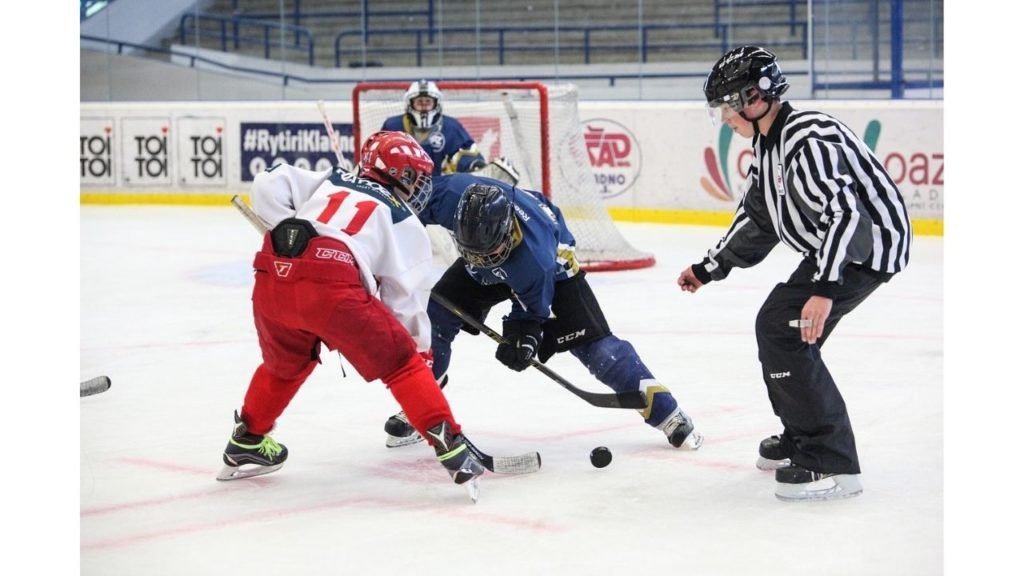
High school hockey games typically last for three periods, each 15-17 minutes long, with intermissions in between.
Ever wondered how long you’ll be cheering from the stands or playing on the ice? The question of how long are high school hockey games often pops up for new fans and players alike. These games have a structured flow of play that differs slightly from professional or even college level games.
Understanding the timing helps everyone involved in the sport to plan accordingly. The specific length can vary a bit depending on the state or league rules but the general framework remains consistent.

How Long Are High School Hockey Games?
Okay, so you’re curious about how long those exciting high school hockey games actually last, right? It’s a great question because it can feel like they fly by when you’re caught up in the action. Unlike some other sports, hockey has a pretty set time structure, but there are a few things that can make a game take longer. Let’s dive into all the details so you can know exactly what to expect!
The Standard Game Length: Three Periods of Action
At the heart of every high school hockey game, you’ll find the main event – three periods. Each of these periods is a set length of time when the teams battle it out on the ice. In most high school leagues across the United States and Canada, a period will last for 15 minutes. This means a regulation hockey game is normally 45 minutes of playing time.
Understanding “Stop Time”
Now, here’s where it gets a little different from sports like basketball or soccer. In hockey, the clock stops whenever the play stops. When the puck goes out of play (like over the glass or into the bench area), there’s a whistle, and the clock stops. The clock also stops for penalties, icing, and when a goal is scored. This “stop time” is why a game might take longer than just 45 minutes on the clock. It makes sure that every minute of actual play counts.
Breaking Down the Full Game Timeline
While the playing time is 45 minutes, the total time you’ll spend at a game is usually longer. There are intermissions (breaks between periods) and some other factors that add to the overall time. Here’s how it usually breaks down:
- Warm-up: Before the game officially starts, teams usually have about 10-15 minutes for a warm-up on the ice. This is when they do some practice drills, and players get their legs moving.
- First Period: 15 minutes of play with stop time.
- First Intermission: Usually around 12-15 minutes, this gives the players a break and time to strategize.
- Second Period: Another 15 minutes of play with stop time.
- Second Intermission: Another break, usually around 12-15 minutes in length, giving players a chance to regroup.
- Third Period: The final 15 minutes of play with stop time.
So, adding all this up, you’re generally looking at about 1 hour and 45 minutes to 2 hours for a typical game from the start of warm-ups to the final buzzer. Of course, this can vary a bit, but it gives a good estimate.
Factors That Can Impact Game Length
Sometimes, a game can take longer than the usual amount. Several factors can come into play that add time to the clock.
Penalties and Power Plays
When a player breaks the rules, they might get a penalty. A penalty means that the player has to sit in a penalty box for a set amount of time (usually 2 minutes). If one team has a penalty, the other team has a power play, and gets to have an extra player on the ice. Many penalties and power plays during a game will lead to more stoppages and a longer overall game length.
Injuries
If a player gets hurt during the game, play stops immediately. The medical staff will attend to the injured player, and this takes time. Serious injuries can lead to long delays.
Overtime
In many high school hockey games, if the score is tied at the end of the three periods, there will be an overtime period. The specifics of overtime can depend on the league rules. Sometimes, it will be a shorter period with a sudden-death format, where the game ends as soon as one team scores. Other times, it might be a full length period. Overtime will definitely add more time to the total game length.
Ice Resurfacing
Sometimes, the ice needs to be resurfaced during intermissions, especially if it’s getting choppy from the players skating. The machine that does this takes a little bit of time, which can add to the length of the intermissions.
Variations Across Different Leagues and States
While the 15-minute period length is quite common, it’s not set in stone everywhere. There can be some variations depending on the state or the specific league rules. For example:
Different Period Lengths
Some very small leagues or schools with limited rink time might use slightly shorter periods, like 12 or 10 minutes. It is rare, but it happens to help games fit into a short time slot.
Differences in Overtime Rules
Overtime rules will be different in different states or leagues. Some will have sudden-death overtime, where the first goal wins, and some will have full length overtime periods or even a shootout after a full overtime. For example, some leagues use a 5-minute sudden-death overtime, while others use a 8 or 10-minute overtime. It’s helpful to check the specific league rules if you have a particular game you’re curious about.
Tournament Formats
During tournaments, especially regional or national ones, the rules can be slightly different from regular season games. The period lengths might be the same, but the tie-breaker format in overtime might be different.
A Quick Look at Some Specific Rules
Let’s take a deeper dive into some of the specific rules that affect game length.
The Significance of Stop Time
Stop time is one of the main reasons why the actual game time is longer than the 45 minutes of play on the clock. When the puck goes out of bounds, play stops, and the clock stops. When a penalty happens, play stops, and the clock stops. All of the stoppages add time. This makes sure all of the time spent in the game is true playing time.
Understanding Intermissions
Intermissions aren’t just for players to rest. They’re very important parts of the game. Coaches use this time to talk to their players and make adjustments to their strategies. The players will drink water, and some will even get a snack. It’s also time for the Zamboni to clean the ice and make it nice and smooth for the next period of play.
Tie-Breaking Procedures
If a game is tied, and you go to overtime, it could be a standard length overtime, and if there is still a tie it could be a shootout. If there is a shootout, each team takes turns with players attempting to score. It continues until one team has a lead, which is a long process.
Comparing High School Hockey to Other Levels
It’s helpful to compare high school hockey game length to other levels of the sport. That will help you understand the differences in time.
High School vs. Junior Hockey
In most junior hockey leagues, the game lengths and formats are pretty similar to those in high school. You will see three 20-minute periods in most junior hockey games. However, they might have different overtime formats.
High School vs. College Hockey
College hockey games have longer periods. They often play three 20-minute periods instead of 15-minute periods, which makes the game last much longer. Also, the rules will be slightly different at this level. The clock rules and overtime format are different.
High School vs. Professional Hockey (NHL)
NHL hockey is a step up again in terms of time commitment. A National Hockey League (NHL) game also has three 20-minute periods, but these games have more TV timeouts and more stoppages, making them longer. The time for a NHL game will be closer to three hours.
Tips for Attending a High School Hockey Game
Now that you know all about how long a game is, here are some tips to make your experience better:
- Arrive Early: Get to the rink before the scheduled start time, so you can watch the team warm up. This is an interesting part of the experience.
- Dress Warm: Rinks can be chilly, so wear layers of clothing. Also, the rink can be very wet and some times the rink seats will be cold, so a good idea to wear layers to stay warm and dry.
- Bring a snack: You will be watching for a little less than 2 hours, so it’s a good idea to bring a snack so you don’t get hungry during the game. The snack bar is usually a popular place during intermissions, so expect lines.
- Cheer Loud: Have fun, and encourage the players on the ice. Make signs, and cheer as loud as you can.
- Be Patient: Game can be unpredictable, so you should be patient. Sometimes, things will happen, like a long injury delay or a long overtime, so be prepared for that.
Understanding how long a high school hockey game is can make attending games more enjoyable for everyone. Knowing what to expect in terms of the schedule, possible delays, and formats will help you feel comfortable while watching the game.
So, the next time you’re heading to a high school hockey game, you’ll know what to expect time-wise. Enjoy the fast-paced action and the skill of the players. Now you have all the information you need to fully appreciate the game!
The Truth Behind Minnesota High School Hockey
Final Thoughts
High school hockey games typically last around 1.5 to 2 hours. This timeframe includes three periods of play, usually 15 or 17 minutes each. Time also accounts for intermissions and any necessary stoppages in play.
The precise duration may slightly vary, depending on the league rules and specific circumstances. Understanding this timing is important for planning purposes. Knowing how long are high school hockey games allows spectators to make informed decisions.

