
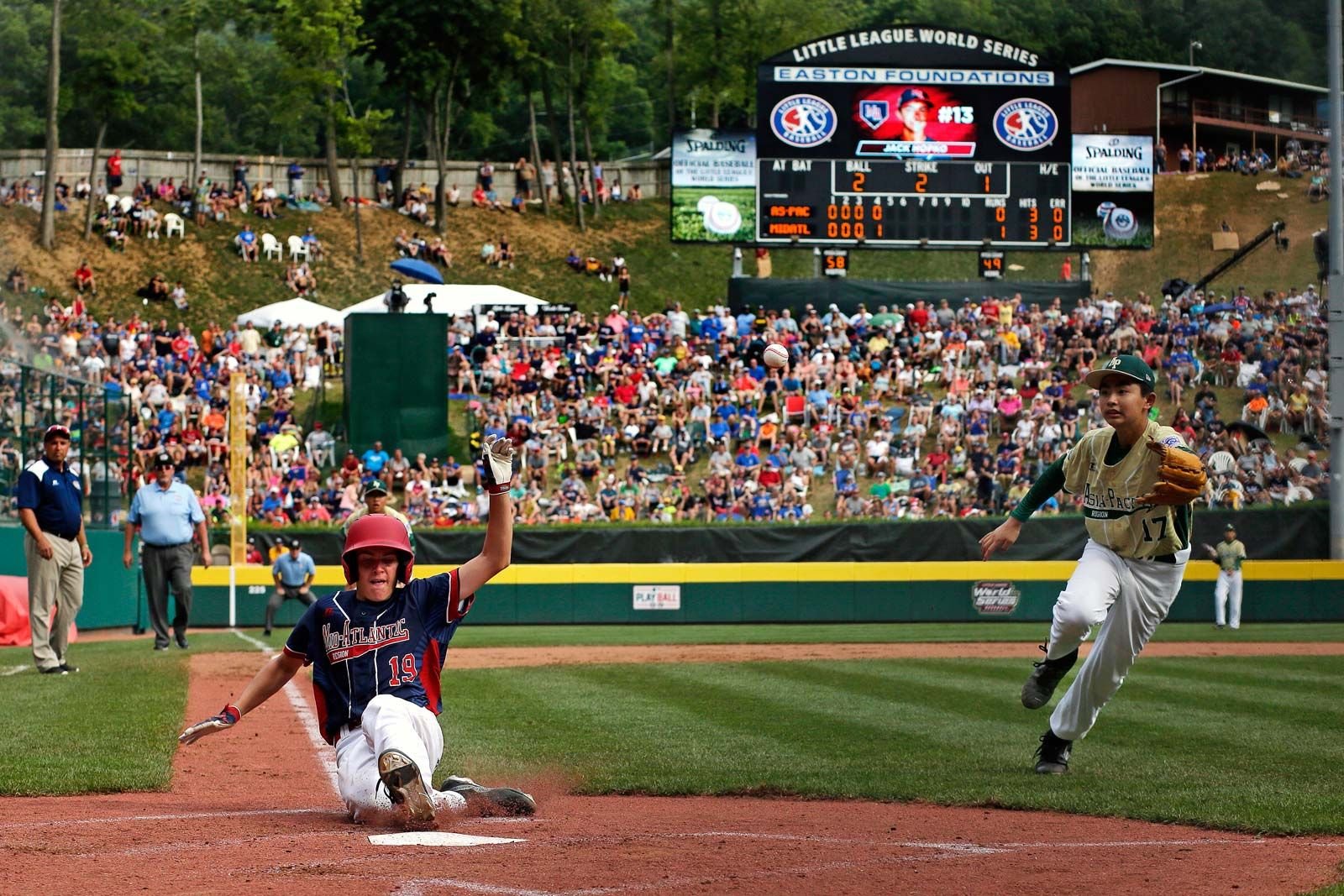
Little League baseball games typically last between 1.5 to 2 hours.
Ever wondered about the time commitment involved when your child joins a little league team? Many parents ask, “how long are little league baseball games?”. The duration varies slightly depending on the specific league rules and the age of the players.
Younger divisions, often featuring less experienced kids, usually wrap up closer to the 1.5-hour mark. Games in older divisions, with more innings and potentially more pauses, can extend to the 2-hour range.

How Long Are Little League Baseball Games?
Figuring out how long a Little League baseball game will last can feel like a tricky question! Unlike professional baseball, where games usually clock in around three hours, Little League games have more variation. The length depends on several things, like the age of the players, the league rules, and even the weather. Let’s dive into all the details and see what impacts the game clock.
Understanding the Basic Time Limits in Little League
Little League baseball isn’t just one single thing; it’s a whole world of different divisions and age groups. Each of these divisions has its own set of rules, including how long the games should be. It’s not always about finishing all nine innings like the pros. Instead, many games operate using time limits, or sometimes even a mercy rule. Let’s look at some of the typical time frames you might see:
T-Ball and Coach Pitch
For the youngest players, usually between ages 4-7, we’re talking about T-Ball and Coach Pitch. These games aren’t focused on long matches. The goal here is to learn the basics of the game and have fun. Therefore, the games are shorter and simpler. Typically, these games might last:
- One hour: A game can run for about one hour, this is a common timeframe.
- Specific number of innings: Often, there is no time limit, but the game will end after 3 or 4 innings, no matter how long it takes.
- Focus on playing time: The leagues may be structured to keep every game within this timeframe so that players don’t get too tired and can have a great experience.
These games usually are designed to keep the kids engaged and not lose their attention. Coaches and parents understand the attention spans of younger kids, so the games are structured accordingly.
Minor League (Player Pitch)
When players move into the Minor League division, typically around 7-10 years old, the rules become a bit more structured. Games tend to be a little longer as the kids become more comfortable with pitching and hitting. You’ll likely see the following:
- Around 1 hour and 30 minutes: Most games will fit in this timeframe.
- 6 innings: Although there will be a time limit, games might be capped at 6 innings, meaning the game stops at this point, regardless of the score and time.
- Time limits can be strictly enforced: Some leagues enforce the time limit strictly to stay on schedule. If a game reaches the time limit, the game is over, even if it’s in the middle of an inning.
This level is where the games become more of a test of skill. Players are starting to understand the rules in detail and strategize to win.
Major League (Little League)
The Major League division, for kids around 10-12 years old, begins to mirror a more traditional baseball game. These games usually take a longer amount of time to complete. Here’s what you can generally expect:
- Around 2 hours: Games are likely to last about two hours.
- 6 innings: The standard is often 6 innings, but some leagues allow games to be 7 innings if a time limit isn’t hit.
- Time limits still apply: While the game may be longer, a time limit of 2 hours is often still in place, so this could be reached before the 6th innings are finished.
This division introduces players to more complex strategies, and the games become more competitive. Still, leagues always keep player safety and fun at the forefront.
Junior and Senior League
When players get to the Junior and Senior League levels (ages 13-16), the format is designed to resemble high school baseball more. Games are longer and the rules follow most standard baseball guidelines.
- Around 2 to 2.5 hours: These games take a significant amount of time, sometimes reaching 2.5 hours or more.
- 7 innings: The games at these levels are usually 7 innings, closer to professional games.
- Fewer time limits: Many leagues at this age group don’t use time limits, and they focus more on finishing all the scheduled innings.
At these ages, players have years of experience and are focused more on refining their skills and competing on the diamond. The games last longer, as the players are more focused and the game has more complexity.
Factors Affecting the Length of a Game
While the general guidelines for the divisions provide a framework, the actual length of a Little League game can be affected by many factors. It’s not always as predictable as the rulebook would suggest. Let’s explore these factors:
Pace of Play
The pace of play is a major determinant of game length. A game with lots of hits, walks, and pitching changes will naturally take longer than a game where the players quickly make outs. Some umpires will try to speed up the game by encouraging players to be ready in the batter’s box and pitchers to be prompt. If a game has quick innings, the time will go by quickly. However, if a game has drawn-out innings, then the game length will be impacted.
Number of Walks and Hits
When there are more walks and hits in a game, the game time is extended. Players on base mean more time running the bases and more time at bat. This results in longer innings and, therefore, a longer game. A team that is hitting well will result in more running and scoring, which will add to game time. Also, when pitchers are not throwing strikes, more walks happen, which also adds to the game time.
Pitching Changes
Pitching changes can consume a considerable amount of time. A substitution of pitchers requires time for warm-up pitches, and that could be 5 to 10 minutes. Sometimes, a team may have multiple pitching changes in one game, and this adds up to a lot of additional time.
Injuries and Time-Outs
Unfortunately, injuries do happen in baseball. When a player is hurt, it requires medical attention and can often pause the game. Also, coaching time-outs to talk to players and make adjustments to strategy can add to the overall game time. All of these things cause a delay in play, which ultimately adds to the total game time.
Mercy Rules
Many leagues use mercy rules to ensure games don’t go on forever when there’s a huge score difference. If one team gets too far ahead, the game ends early. This is important to save the teams time and to protect the players’ safety. Common mercy rule situations are as follows:
- Run differential: For example, if one team is up by 10 or more runs after 4 innings (or sometimes 3 or 5), the game might end immediately.
- Time limit: Even if the team with the lead is not yet ahead by a certain run amount, some leagues may enforce the time limits strictly.
These rules help to keep games moving along and prevent them from going for an excessively long amount of time.
Weather Conditions
Weather is another major factor that affects the time of a game. Rain delays are quite common, especially in the spring and summer. A brief rain shower may cause a 15-30 minute delay, while a major downpour could even result in the game being canceled and rescheduled for a later date. Also, extreme heat can also shorten games to ensure player safety. Umpires and league officials monitor conditions closely and adjust game plans as needed to keep players safe.
Strategies for Managing Game Length
As a parent or coach, it’s helpful to be aware of the factors that affect game length. This way, you can come prepared and make the best use of your time. Here are some ideas:
Arrive Prepared
Make sure players have all of the equipment and uniforms they need. It can also help to arrive early to make sure players have ample time to warm up and be prepared. In particular, make sure there is plenty of water and sports drinks available to keep players hydrated. When players arrive on time, it keeps things moving smoothly.
Encourage a Fast Pace
Coaches can emphasize the importance of a quick pace. Players should be ready to get up to bat, pitchers should be ready to go, and fielders should be in position. This helps to prevent any time wasting. Also, having kids ready to go can help to keep them more focused and engaged in the game.
Be Mindful of Pitching Changes
Coaches should have a solid plan for pitching changes. Have the next pitcher ready to warm up in the bullpen. This will cut down on time wasted between pitching changes. Also, try to keep the number of pitching changes to a minimum, when possible. This will keep the game moving along at a good pace.
Plan for Delays
When you’re going to watch a game, keep in mind that delays are always possible. Have things to keep you and your family entertained during potential delays. It could be a book, a game, or even just talking with your family. Planning for delays and downtime will make the day much less stressful.
Communicate with Coaches and Leagues
If you ever have specific questions about game lengths, it’s best to communicate directly with your coach or league officials. They’ll be able to give you the exact rules and expectations, which can differ from league to league. They also are very familiar with game lengths and may have specific information, based on previous seasons.
Why Game Length Matters
Knowing how long Little League games are, or can be, can greatly help plan your schedule. It can help parents manage their time and ensure players are well-rested and prepared for their next activity. If you know that a game will be over by 5:00 PM, it makes planning for dinner easier. By managing expectations for game length, everyone can have a better experience.
Also, understanding game time will allow you to make the game more fun and enjoyable for the players. Little League is about the joy of playing and spending time with friends, but it’s important for the players to get enough rest. Knowing game time will make planning for the rest of the day easier, and it allows players and parents to plan for both baseball and other activities.
Furthermore, game length impacts a coach’s ability to plan. With knowledge of time limits, coaches can plan accordingly when making important in-game decisions. If a coach knows that a game will end at the 2-hour mark, they can strategize more effectively. They can decide when to put in a certain pitcher, or when to make a substitution, depending on the time left in the game. By understanding these time constraints, coaches can help their players play to their potential.
Understanding how long a Little League baseball game is will help to keep the whole experience more enjoyable. The game lengths will change based on division and different league rules, but you can always be prepared and know what to expect. By using the information above, you can have an amazing and successful Little League season!
Full Game – 2022 10u Little League World Series Baseball – Pool Game 1 vs North Shore American
Final Thoughts
Little League baseball games vary in length. Younger divisions often play shorter games, around 1.5 to 2 hours. Older divisions can play up to 2 or 2.5 hours depending on innings and other rules.
So, how long are little league baseball games depends on the specific league and age group. Game times also adjust if there are extra innings required to resolve a tie.

