
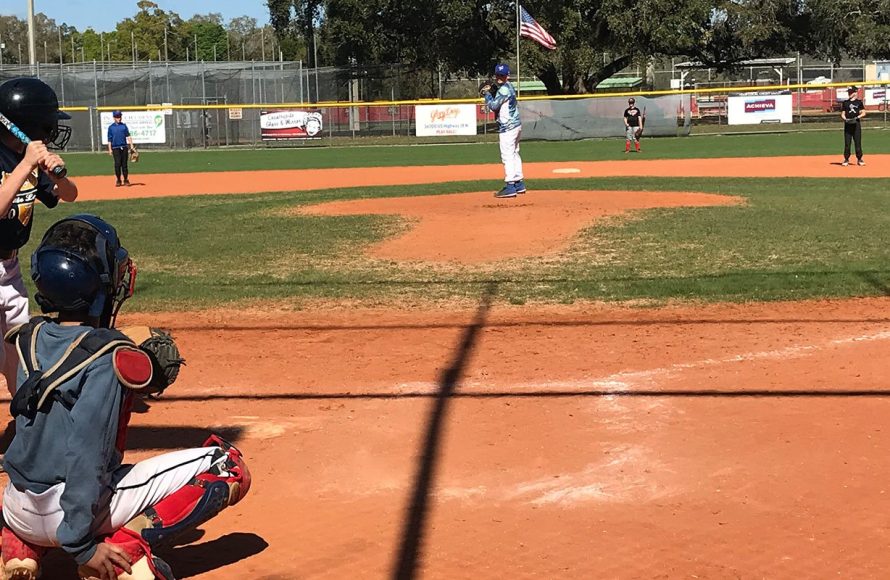
Little League games typically last around 1.5 to 2 hours, but specific time limits can vary depending on the league and age division.
Ever wondered how long are little league games? It’s a common question from parents and kids eager to get on the field. Game duration can fluctuate a bit, but generally, you should expect to spend a couple of hours at the ballpark for a typical game.
These aren’t marathon affairs, thankfully! Rules often include time limits to keep the games moving at a reasonable pace. This helps fit games into busy schedules, and ensures younger players don’t tire out.

How Long Are Little League Games? A Detailed Guide
So, you’re wondering how long those exciting Little League games actually last? It’s a great question! The answer isn’t always a simple one, because it depends on a few things, like the age of the players and the specific rules of the league. Let’s dive in and explore the different factors that influence how long a Little League game takes.
Understanding the Basics of Little League Game Length
Before we get into specific times, it’s important to understand the general structure of Little League games. Unlike professional baseball which plays nine innings, Little League games often use different rules to make them appropriate for younger players. These differences are key to understanding how long games take. Little league, with its focus on youth development, prioritizes fun and learning over long, drawn-out contests. This usually translates into shorter games compared to professional leagues.
Innings vs. Time Limits
Most Little League divisions use a combination of innings and time limits. This means that a game will end when either a certain number of innings have been completed or a certain amount of time has passed, whichever comes first. For example, a game might be scheduled for six innings but have a two-hour time limit. If two hours pass before six innings are over, the game will end at that point. It’s important to check with your local league’s rules to know exactly how these rules will affect game times. This combination prevents very long games, which can be hard for young players.
Why Time Limits?
Time limits are mainly used for two reasons. The first is to manage the length of the games and keep them reasonable for kids with shorter attention spans and after-school schedules. The second reason is to keep the flow of games moving when many teams need to play games on the same day on the same field. Time limits ensure that games don’t run too long and push other games back. Also, it makes sure players are not playing for too long which can also cause fatigue.
Game Length by Little League Division
The most significant factor in determining how long a game will take is the division of Little League. The different age groups have different rules and game lengths that fit their playing abilities.
T-Ball (Ages 4-7)
T-ball is all about having fun and learning the very basics of the game. Games are not focused on winning, but introducing the fundamentals. Because of this, T-Ball games are usually the shortest. Here’s what you can generally expect:
- Innings: Usually 3-4 innings.
- Time Limits: Often around 60-90 minutes.
- Focus: Learning basic skills, teamwork, and having fun.
T-ball games usually move faster because there is not much focus on the competitive aspect of the game. The goal here is to make sure everyone gets a turn to bat and play in the field.
Coach Pitch (Ages 6-8)
Coach pitch is a step up from T-ball. Here, coaches pitch to the players which introduces the concept of hitting a pitched ball. Here is a summary of the key differences regarding game length:
- Innings: Usually 5-6 innings.
- Time Limits: Generally around 90 minutes to 2 hours.
- Focus: Developing hitting skills, learning the basic rules of the game.
Coach Pitch games start getting a little more structured as players are trying to hit the ball and make plays in the field. The introduction of coach-pitch makes these games slightly longer than T-ball, but they are still comparatively short.
Minor League (Ages 7-11)
The Minor League division introduces kids to player pitching and a more structured game. Here’s how game times usually break down:
- Innings: Usually 6 innings.
- Time Limits: Around 2 hours to 2.5 hours.
- Focus: Developing more advanced playing skills, building an understanding of strategy and teamwork.
In this division, the game starts to resemble what most people consider “real” baseball. More pitches are thrown and there is more focus on strategy and team play. This makes the games naturally take a little more time.
Major League (Ages 10-12)
Major League is the division most people think of when they hear ‘Little League.’ Games are more competitive, and it’s here that many teams start trying for all-star level competitions. Here’s a typical breakdown:
- Innings: Typically 6 innings.
- Time Limits: Generally around 2.5 to 3 hours.
- Focus: More competitive play, refinement of skills, and a higher level of strategic understanding.
Major League games can sometimes go longer depending on the pacing and the number of hits or runs. Some leagues might also have extra inning rules if the game is tied at the end of the normal regulation.
Intermediate (50/70) (Ages 11-13)
The Intermediate division is designed to bridge the gap between standard Little League and the larger field dimensions of a standard baseball game. Game times and rules typically are:
- Innings: 7 innings
- Time Limits: Approximately 2.5 to 3.5 hours.
- Focus: Adjusting to the larger field dimensions and more advanced strategies.
This division gives players a chance to further develop their skills, giving them a better experience and preparing them for the next level. The rules on lead offs and pick off plays also can add to game length.
Junior/Senior/Big League (Ages 13+)
These divisions move more toward traditional baseball rules and lengths. The age of the players increases which causes them to have more mature game style. Typically the games are:
- Innings: Usually 7 innings.
- Time Limits: Generally around 2.5 to 3.5 hours, but games can run longer without a strict time limit depending on the league.
- Focus: Preparing players for high school level play with a more advanced style of the game.
These divisions are intended to prepare young players for playing on a high school level and beyond. The longer game times and traditional style of the games provide a bigger challenge for players.
Factors That Can Affect Game Length
Even within these divisions, some factors can make a game go longer or shorter. Let’s examine these in detail.
Number of Runs Scored
High-scoring games often take longer. If a team gets a lot of hits and there are a lot of runs, the game will usually last a bit longer than games where the pitching is more dominant.
Pitching Changes
When there are a lot of pitching changes it can slow down the pace of the game. A lot of pitching changes can also affect momentum and energy in the field. Every time a coach walks out to the mound and then they have to warm up in the bullpen this takes up valuable game time.
Injuries and Delays
Injuries will always slow down a game. Any type of delay, such as fixing equipment or resolving some type of conflict, can also extend the time of the game. The safety of players should always be prioritized, which sometimes means the game will be extended in length.
Extra Innings
Many Little League divisions have extra inning rules. Depending on local league rules, extra innings may mean a game will run longer or it could result in a tie. It’s important to know how extra innings are handled in your league. In some leagues, a tie is allowed or the game will be decided by a home run contest. It all depends on the rules in your local league.
Umpires
The decisions made by the umpires will always affect the game. If there are a lot of borderline calls and there are a lot of discussions with the coaches, the game will be longer. Usually when the umpire makes a quick decision and is not challenged it helps a game to flow faster.
Weather
Weather delays are a fact of life when playing outside. Rain delays, lightening delays, and even extreme heat can halt a game. These delays cause games to run longer, or they may be postponed until another day. It depends on the rules of the league.
Strategies to Manage Game Length
Even though you cannot control how long the other team plays, there are some things coaches can do to help control game pace. Here are a few tips to make sure games stay within the time limits.
Quick Transitions
Coaches and players should be quick to transition on and off the field. Quick transition between innings makes a difference to how long a game will last. Every second counts when there is a time limit. By hurrying off the field and getting their equipment ready quickly, players can shave time off each inning.
Efficient Pitching Changes
Coaches should have pitchers ready to go and not wait until the last minute to warm up a new pitcher. Coaches also should not wait so long to bring in a new pitcher that the current pitcher is extremely tired. This can help both with player safety and making the game move a bit quicker. This also prevents too many visits to the mound which will slow the pace of the game.
Clear Communication
Clear communication is key. Both with players and the umpires. When there is communication about how to make plays, and to clarify decisions it will help the game move along quickly. It is important to talk with the team before the game starts to address some of these communication points.
What Does All This Mean for You?
Understanding that Little League game lengths vary is vital for scheduling your day around game times. As you can see it’s not as easy as saying a game will last one time period. It always depends on several factors. This is why it is important to check with local leagues and their websites to know exactly how long your game might be. It’s also a great idea to prepare for the game by making sure you are hydrated and have enough energy to last the entire game.
So, while you can expect that a T-ball game will be shorter and a Major League game will be a bit longer, it’s always best to check the specific rules for the division your child is playing in. This will allow you to properly schedule yourself and your family for games. Remember, the focus is always to allow kids to have fun and grow in the game of baseball.
Full Game – 2022 10u Little League World Series Baseball – Pool Game 1 vs North Shore American
Final Thoughts
Game length varies; younger divisions often play shorter games than older ones. A typical little league game lasts around 1.5 to 2 hours. Factors like the league’s rules, number of innings, and potential delays affect the total time.
Determining exactly how long are little league games can depend on many things. Knowing the expected timeframe helps parents and players plan their schedules effectively. This also aids coaches in managing game strategies.

