
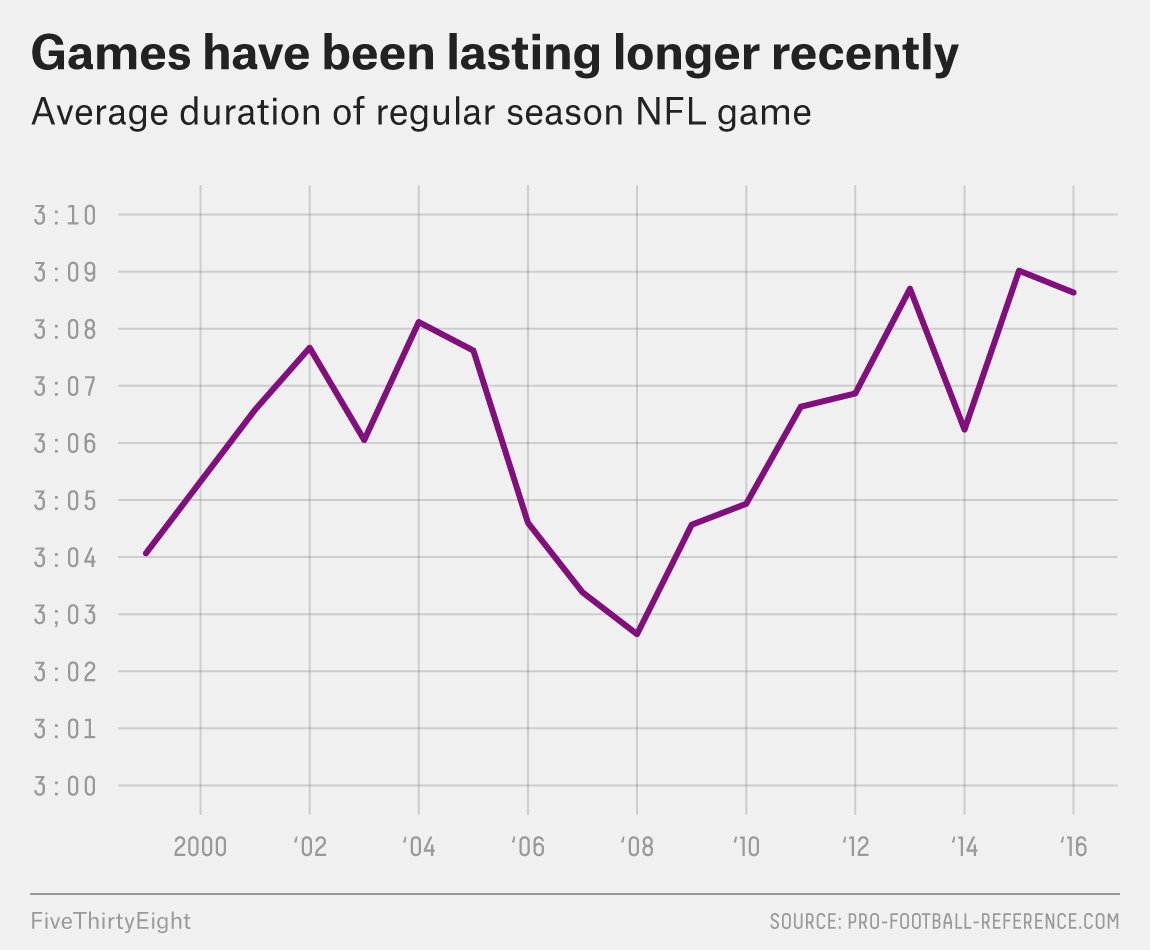
The average duration of NFL games is approximately three hours.
Ever wondered how long are nfl games? It’s a common question for both new and seasoned football fans alike. The experience is a thrill, but it also does require a time commitment.
Understanding the typical timeframe helps plan your Sunday, or any other game day. Games usually run for around three hours, though sometimes they can run a bit longer. Knowing this allows for a proper planning of your day.

How Long Are NFL Games?
Ever wondered how long you’re actually parked on the couch watching those exciting NFL games? It’s more than just the time on the clock! A typical NFL game is scheduled to last for 60 minutes of playing time, divided into four 15-minute quarters. But, the total time you spend watching is almost always much longer than that. Let’s get into the details of what makes up the total length of an NFL game, why it takes so long, and what factors can change how long you’re glued to your TV.
The Core Game Time: 60 Minutes of Action
The heart of any NFL game is the 60 minutes of actual playing time. This is what you see the clock counting down in the stadium and on TV. However, don’t be fooled; this 60 minutes is only a small part of the entire game-watching experience. These 60 minutes are divided into four equal parts:
- First Quarter: 15 minutes
- Second Quarter: 15 minutes
- Third Quarter: 15 minutes
- Fourth Quarter: 15 minutes
The clock stops frequently, which significantly contributes to the overall duration of the game. This means that the 15 minutes of action in each quarter can sometimes stretch out to much longer periods in real-time.
The Halftime Show and Its Time Impact
After the first two quarters, there’s a break known as halftime. It’s not just a chance for players to rest, but it’s also the time when teams strategize, and fans grab more snacks. Halftime in the NFL is an official 12-15 minutes long. During this period, there might be a performance, and the teams are back in the locker room preparing for the rest of the match.
Sometimes halftime lasts slightly longer than planned, especially during big games like the Super Bowl, which often features a much longer and more elaborate entertainment spectacle. This extended break means that the middle of the broadcast can last around 20-30 minutes.
Why NFL Games Last Longer Than 60 Minutes
So, if the actual playing time is just 60 minutes, why does a game take around 3 hours? The answer is simple: there are a lot of stops and starts during a football game! The clock constantly stops for several reasons:
Clock Stoppages: The Real Game Length Extenders
Here are some of the main reasons why the clock stops in an NFL game, leading to a longer viewing experience:
- Incomplete Passes: If a quarterback throws a pass and it’s not caught by a player, the clock stops.
- Out-of-Bounds Plays: When a player runs or is pushed out of the playing field, the clock stops.
- Penalties: If a referee calls a penalty on a team, the clock stops while the penalty is assessed.
- Change of Possession: The clock stops when a team gets possession of the ball.
- Touchdowns and Extra Points: When a team scores a touchdown or attempts an extra point or field goal, the clock stops.
- Injuries: If a player is injured, the clock stops to allow medical staff to tend to them.
- Timeout: Teams can call timeouts to discuss strategy or to stop the clock.
- Two-Minute Warning: At the end of each half, there is a two-minute warning. The clock stops at this point, allowing both teams to make changes.
These constant stops make the actual game time stretch out a great deal.
The Commercial Breaks Impact
A very significant factor in the overall length of an NFL game is the commercials. Television networks sell advertising time during the breaks in gameplay, adding substantially to the overall broadcast duration.
These commercial breaks occur:
- After plays, whenever the clock stops
- Between quarters
- During timeouts
- During halftime
- Before and after the game
While it’s necessary for networks and advertisers, the sheer volume of advertisements adds to the overall game duration. It’s estimated that around 20%-30% of your total viewing time is spent watching commercials rather than the game itself. This is a large chunk of time, helping push the actual length beyond 3 hours.
How Game Situations Affect Length
The actual events of a game can greatly influence its duration. A game filled with many incomplete passes, penalties, or turnovers will likely take longer than a game with very few stoppages. Here are some specific game situations that can significantly add to the length of a football game:
Close Games & High Scoring
Close games are more likely to have additional clock stoppages as teams use timeouts to control the game. Also, frequent changes in possession, due to scoring plays, also leads to more time taken. A high scoring match with many touchdowns will probably extend the game time. Similarly, a very closely contested game with a lot of strategy and clock management will also run for a longer duration, than a low scoring game.
Blowouts & Low Scoring Games
Blowout games, where one team has a considerable lead, tend to move along a bit faster. When one team is clearly winning, the trailing team might use fewer timeouts. Both teams might also run the ball more and avoid risky plays. Similarly, a low-scoring game tends to have a quicker pace, as there are fewer stoppages due to scores.
Overtime: Adding Even More Time
In regular season games, if a match ends in a tie after four quarters, it goes into overtime. Overtime in the NFL has special rules that can change how long the game lasts. If the first team to have possession in overtime scores a touchdown, they win the game immediately, which means the overtime may be quite short. However, the game could still extend significantly.
During overtime, there will still be stoppages and commercial breaks. These stoppages can greatly extend the overall length of the game if neither team scores very quickly, adding further time to the total duration. In playoff games, overtime continues until there is a winner.
Average Total Game Time
So, with all these factors taken into consideration, how long do NFL games actually last? Generally, an NFL game typically lasts for around 3 hours. However, it can range from 2 hours and 45 minutes to over 3 hours and 30 minutes, and even more if there is overtime. Factors like the number of penalties, scoring plays, commercial breaks, and overtime can cause these variations.
Here is an estimate of the different time allocations:
| Component | Average Time |
|---|---|
| Actual Playing Time | 60 minutes |
| Halftime | 12-15 minutes (can be longer in Super Bowl) |
| Commercials and Stoppages | Approximately 1 hour and 30 minutes to 2 hours |
| Total Average Game Time | Around 3 hours |
As you can see, a significant portion of time is not actually game action. The clock stoppages, penalties, change of possession, time outs, and commercial breaks significantly increase the time to complete a typical NFL game.
Factors Contributing to Variable Game Length
Several factors can influence how long an NFL game takes to complete. It is good to know that the length may vary based on the various circumstances.
Officiating and Penalty Calls
The number of penalties that the officials call in a match can impact how long a game takes. If there is a match where numerous penalties are being called, it will result in many stoppages of time and lead to increase in the overall time. Games with fewer penalties usually run smoother.
Team Strategies and Play Styles
Teams that prefer a fast-paced offense with a lot of passing may cause more clock stoppages, as there are many incomplete passes. On the other hand, teams which like to run the ball a lot usually keep the clock running more. Also, strategic use of time outs and late-game clock management can also play a role in the total length of the game.
Broadcast Network Preferences
The TV channels that are broadcasting the match also affect how long it takes to complete the entire event. Networks need to fulfil their advertising commitments, and thus will take multiple commercial breaks. These breaks help in increasing the length of the total game.
Unforeseen Circumstances
Unexpected incidents like player injuries, replay reviews, or weather delays can add additional time. A significant injury or a long replay can cause long delays, leading to a game running beyond average length.
So next time you settle down to watch an NFL game, prepare for an experience that will probably last longer than you think. The 60 minutes of playing time is just the beginning; all the other factors of the game and broadcast ensure a longer watch time.
A Beginner's Guide to American Football | NFL UK
Final Thoughts
NFL games typically last around three hours. This includes four 15-minute quarters, halftime, and timeouts. Actual playtime is much shorter. Television broadcasts often extend game length with commercials and analysis.
The perception of how long are nfl games varies, but planning for a three-hour block is wise. Be aware that some games run over due to overtime or lengthy reviews.

