
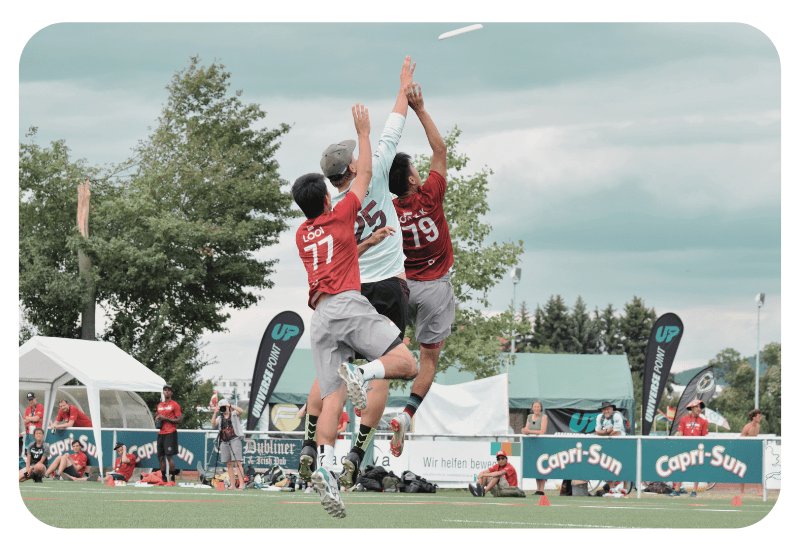
Ultimate frisbee games typically last around 100 minutes to 2 hours, though the exact duration can vary based on tournament rules or agreements made beforehand.
Ever wondered how long are ultimate frisbee games? It’s a question that often pops up for newcomers to this fast-paced sport. The timeframe isn’t always rigid, since there are different kinds of matches.
Generally, a typical game stretches between 100 minutes and 2 hours. However, this time can shift due to specific tournament rules or any pre-game agreements between the teams.

How Long Are Ultimate Frisbee Games?
Ultimate Frisbee, a fast-paced and exciting sport, doesn’t rely on a clock like many other games. Instead, it uses a unique system to determine game length, making each match potentially different. Understanding how these games are structured is key to enjoying and playing the game properly. Let’s dive into what makes an Ultimate game tick and figure out just how long you might be out on the field.
The Point-Based System
Unlike sports that use timers, Ultimate Frisbee primarily uses a point-based system to determine the winner. The game is played until one team reaches a pre-determined number of points. This number can vary depending on the level of play or the specific tournament. So, instead of thinking about minutes and seconds, you’ll be focusing on each point scored.
Standard Game Length
Typically, a standard game of Ultimate Frisbee is played to 15 points. However, there’s usually a cap. This cap means that even if the game isn’t at 15 points, it ends once a team reaches a certain total points or when the time is up. This is to keep games from going on forever. The cap and time limit might depend on the rules set by the tournament or league.
- Game to 15: This is the most common format. The first team to score 15 points wins.
- Time Caps: Many games also have a time limit. A common time limit for a single game can be approximately 90 minutes.
Understanding Different Time Lengths
While the game to 15 point rule is most common, you will find different game lengths based on different scenarios. For instance, tournaments often have shorter games to fit more games into a single day. Here’s a deeper look at other game length variations you might encounter.
Tournament Play
When you are playing in a tournament, Ultimate Frisbee games will likely be shorter. This is because tournaments need to fit a lot of games into a short period. The point cap might be 11 or 13 points in these situations, with stricter time caps. These time caps usually exist, sometimes even 75 minutes. The goal is to make sure every team gets their chance to play. Shorter games keep things moving and prevent excessive fatigue, because tournaments happen in a short timeframe. These modifications help make sure the tournament can run smoothly and on schedule.
League Games
Local leagues can have some variations in game lengths. League organizers will adjust the game length to meet the league’s specific needs. This may mean slightly longer or shorter games compared to a tournament. The games played in leagues are usually to the traditional 15 points, but the time cap could be adjusted. Some leagues might play to 17 points if they have enough time.
Pickup Games
Pickup games are even more flexible. They don’t usually follow rigid rules regarding time or score. Often, people play until everyone is tired or until time runs out for a location. A pickup game could end when someone says, “Okay, let’s play one more point!” It is super relaxed, meaning the game length depends on the group. These informal games are all about having fun and playing casually.
Factors Influencing Game Length
Several factors can influence how long a game of Ultimate Frisbee actually takes. While we know the points-based goal, the total time a game takes can still vary. Let’s look at the main things that can speed up or slow down the game.
Skill Level
The skill level of players plays a big role in the game’s duration. Teams that are more skilled and play with each other more often tend to play faster with better and accurate passes. This means they can score points more quickly, making the game shorter. On the other hand, if players are newer to the game, points can take longer to score because passes can be inaccurate, and the play overall will be slower. The skill level makes a significant change in game flow.
Weather Conditions
Weather can also play a huge part in determining game length. Wind, rain, or even extreme heat can slow down the pace of the game. Windy conditions can make throwing the disc difficult, leading to more turnovers and longer rallies. Rain can make the field slippery, making it harder to run and cut effectively. Extreme heat can also make the players tired quickly, slowing down the whole game. All these weather conditions make the game length unpredictable and different.
Number of Players
The number of players on each team can also affect how long the game will last. A normal team usually has 7 players on the field at one time, but some pickup games or smaller leagues might play with 5 or even 6 players. When there are fewer players, each player will cover more area, which can make the game more tiring, which may also slow down the game. Also, if the game has more players on each team, they might get more tired and need more breaks, ultimately slowing down the game’s pace.
Game Intensity
The intensity of a game influences the speed at which points are scored. A friendly game might be played at a slower, more relaxed pace, meaning the game will take longer to end. When teams are playing competitively, with higher stakes, like a tournament finals game, the game can be played at a higher speed, with more hustle. The intensity can make the game longer or shorter, depending on the type of play.
How to Estimate Game Length
While it’s hard to predict the exact time it will take to complete a game, there are some things you can consider to get a rough idea. You can think about these factors and make an educated guess about how long your game might take.
Experience Level
Think about how much experience the players have. If everyone is new, then the game is likely to take longer. If there are more experienced players, the game might go much faster, making your overall playtime shorter. A game with experienced players might average around 75 minutes, but a game with new players may take more than 90 minutes.
Time Caps
Always consider the time cap rules. Many organized games will have a time cap, which means even if neither team has reached the required score, the game will end when time is up. You can keep an eye on the clock, so that you will know how long you might have left in the game.
Point Duration
Keep an eye on the duration of each point. If points are very short and end quickly, it will most likely be a faster game. If points seem to drag on, it might mean that the game is taking longer, and the total time might be a little long. The length of the points can help you estimate the game’s overall time.
Tips for Managing Game Length
While you can’t control all the factors, there are a few things you can do to manage game length effectively, especially if you’re organizing or participating in a league or tournament.
Adjust Point Caps
If your goal is to manage the overall time, you can easily adjust the point cap. If you want a shorter game, go with a lower target score. If you need to account for a long play, you can increase the game point cap. Making adjustments to the target scores makes your game more flexible.
Set Realistic Time Limits
Setting time limits is important to keep things running on time. Setting realistic time limits and making sure that everyone understands them is very important to make sure that the game is on time. Keep the time limits realistic to fit the level of the players and the desired length of the game. Always make sure to keep the clock in sight.
Encourage Efficient Play
As a player, you can encourage efficient play, which will make the game shorter. Encourage players to avoid unnecessary delays, which will make the game faster and more enjoyable. Encouraging faster play helps with keeping the game moving.
Why the System Works
The points-based, and sometimes time-capped, system for Ultimate Frisbee works well because it provides flexibility. Instead of being tied to a strict clock, the game can adapt to different levels of play and circumstances. This system is beneficial because it keeps the game from going on too long, and it also makes every single point crucial and important for winning the game. It helps keep the game exciting. It promotes both skill and strategy, as players must be smart with their moves and passes. It’s not just about running fast, it is about making strategic decisions that will help the team win.
Understanding how long are ultimate frisbee games is more about knowing how the game is structured than knowing a specific time. It’s about the points, time caps, and factors that influence the game’s pace. Whether you’re playing in a casual pickup game or a serious tournament, understanding these principles is essential for a more fun and enjoyable experience.
The Rules of Ultimate Frisbee (Ultimate) – EXPLAINED!
Final Thoughts
Ultimate frisbee games typically last around 1.5 to 2 hours, though this can vary. Tournament games might have hard time caps, affecting game length.
The official USA ultimate rules dictate that games are played to 15 goals with a two-point advantage. However, some casual games may adjust these guidelines. This is how long ultimate frisbee games tend to go for. Remember, weather and player stamina also have a big impact.

