
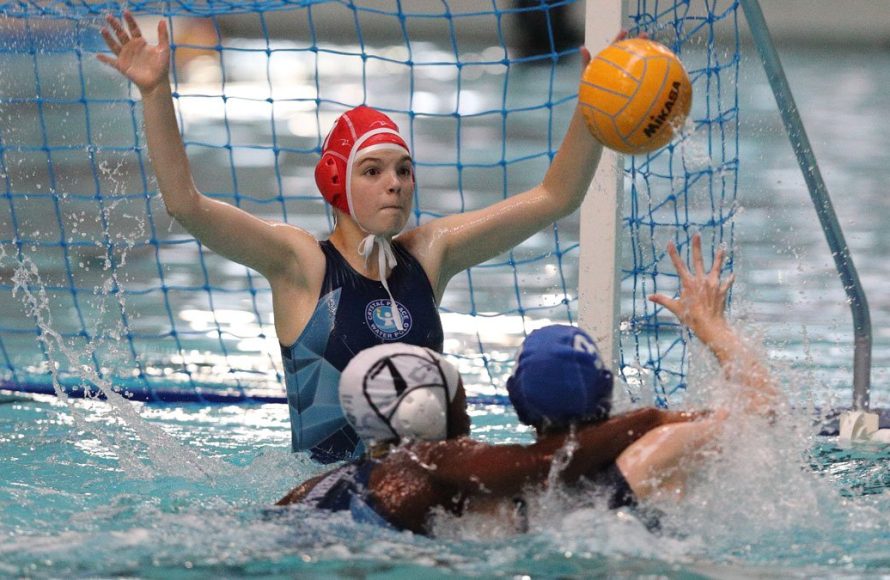
Water polo games are typically 32 minutes long, divided into four 8-minute quarters.
Ever wondered how long are water polo games? It’s a frequent question for those new to the sport or curious about its fast-paced action. The clock plays a crucial role in shaping the game’s intensity and strategy.
These games aren’t marathons, yet they require incredible stamina. Each quarter presents its own challenges, testing the athletes’ endurance. Understanding the length of each period makes the game easy to follow.

How Long Are Water Polo Games?
So, you’re curious about how long those exciting water polo matches last? Well, you’ve come to the right place! Water polo games aren’t super long like some sports, but they’re certainly action-packed. The length of a game can depend on a few things, like the age of the players and the level of competition. Let’s dive in and take a closer look at all the details about game duration in water polo.
The Basics: Standard Game Length
At the heart of it, a standard water polo game is divided into four periods, often called quarters. These periods are not very long individually, but when combined, they create a significant amount of playing time. For most official games, these quarters are typically eight minutes long. This means that the clock is running for eight minutes of actual playing time, in each of the four periods. But, of course, it’s not always that simple.
However, there are stoppages. When the ball goes out of bounds, a foul occurs, or a goal is scored, the game clock stops. This stop-start action means the actual time from the start to the final buzzer is much longer than just the total playing time. We’re talking about a total game duration with breaks and stoppages that can stretch the game past the basic calculation of four times eight minutes.
Game Clock in Water Polo
The game clock is a crucial element in water polo. It doesn’t constantly tick away like a stopwatch. It goes in phases; when the game is in play, the clock runs and when there’s a stoppage, it pauses. This is very important because it allows the teams to have enough time to strategically plan their play and rest before each period. When a goal is scored, a foul occurs, or the ball goes out of bounds, the clock stops. This stop-start nature extends the total duration of a water polo game significantly.
Time-Outs: A Brief Respite
Teams also get breaks during the game in the form of time-outs. These are short periods during which play is paused, giving the coach and team time to discuss the next course of action. Each team is usually allowed a certain number of time-outs per game. The time-out duration is generally one minute in length. Like stoppages from fouls, the clock is paused during time-outs. It gives a rest to the players and adds to the actual time that the whole match is played.
Varying Game Lengths: Not All Games Are Created Equal
While the standard four eight-minute periods is the norm, it is not set in stone. Depending on the level of competition and the age of the participants, the game times can be modified. This keeps things fair and ensures that players can play at a pace that matches their abilities. Let’s look at how game lengths can vary in different circumstances.
Youth Water Polo
For younger players, the game periods are typically shorter. This is because young athletes generally have less stamina and playing long periods can be overly tiring. It also keeps the game more action-packed for the viewers. In most youth leagues, game periods might be anywhere from four to six minutes in length. This shorter format ensures that young players can enjoy the game without pushing themselves too hard. It’s all about fun and learning in youth water polo.
High School Water Polo
High school water polo is a bit more challenging in terms of the duration of the game. High school games often use shorter periods than professional level but longer than youth leagues. High school level games commonly have seven-minute periods, again, with four periods in a standard game. This duration is a good stepping stone to higher levels of competition, and it helps prepare young athletes for the physical demands of the sport, while still ensuring a fast-paced game.
College and Professional Water Polo
College and professional water polo games use the standard eight-minute periods. They’re the longest form of play. In these games, the players are often highly skilled and very well-conditioned, capable of playing hard for the extended periods. These games are fast-paced and physically demanding.
Understanding Game Flow: Beyond the Clock
It’s also important to understand that the total time a water polo game takes is usually longer than the sum of the playing periods. In addition to the time-outs, stoppages for fouls, goals and the ball going out of bounds greatly increase the duration of the game. This can lead to a total game time much longer than the ‘official’ playing time.
Halftime: A Lengthier Break
There’s also halftime, which falls between the second and third periods. Halftime is longer than the other breaks and allows the players a good amount of time to rest. This also gives the coaches time to refine their strategies. Halftime is also one of the best opportunities for fans to stretch their legs, grab snacks, or use the restroom. The total length of halftime will be different depending on the league but it’s longer than usual breaks in between periods.
Game Over: Sudden Death and Tiebreakers
Sometimes, a game ends in a tie. When that happens, rules vary based on the league or tournament. Generally, some extra playing time might be added in the form of overtime periods, or a shootout with penalty throws. If a game goes into these extra stages, it will definitely be much longer than the usual game length, adding more minutes to the total duration of the match. This helps to ensure that most games end with a clear victor.
A Quick Summary: Game Lengths at a Glance
To make it super easy, here’s a quick summary of the different game lengths in water polo:
- Youth Level: Four to six minutes per period, four periods total.
- High School Level: Seven minutes per period, four periods total.
- College and Professional Level: Eight minutes per period, four periods total.
Keep in mind that these are just the standard playing times. The total time a game actually takes can be much longer due to time-outs, stoppages, halftime, and potential overtimes.
Why Timing Matters in Water Polo
The timing of a water polo game is actually very important for several reasons. It ensures that the matches are exciting and action-packed, but also that the players have adequate rest periods. These intervals are not just arbitrary time frames; they have been structured to provide optimal levels of competition and fairness.
Pacing the Players
The game clock helps athletes pace themselves. Players need to have bursts of energy, but also conserve it for the duration of the match. The stops in between the game help them to recover and get ready to play hard. So, the game is designed to give a combination of hard play and rest for players. This is crucial for maintaining the speed and intensity of the game, while reducing the chances of injuries.
Strategy and Tactics
The different periods and time-outs are important in terms of game strategy. Coaches need to make clever plans about their plays and the time-outs allow them to implement them. The duration of each period influences the kind of strategies they create. The game duration provides the teams with the time and opportunity to showcase their tactics and outsmart their opponents.
Fairness and Competition
The consistency of game length ensures that all matches are played on a level playing field. Whether it is a youth game or a professional match, the consistent rules of timing ensure that every game is a fair competition. It’s the same for everyone, whether it is a big important game or just a match between friends. The standardized timing rules prevent any team from having an advantage based on time limits.
Spectator Experience
The different stoppages and the game length makes the game exciting and interesting for the viewers. It ensures there is enough time for action, but there is also time for changes in strategy and even for the crowd to catch their breaths. The game’s duration plays a role in ensuring that fans enjoy watching water polo matches.
The Dynamic Nature of Water Polo Timing
While the rules for game duration might sound simple, the actual timing in a water polo match is very dynamic. It is constantly changing due to different actions. A lot of things can change the overall game length. A lot of stoppages due to fouls, goals or time-outs, and other aspects. All of these make each game unique and exciting. No two games are alike, and the different timings contribute to the game’s overall excitement.
The Stop-Start Rhythm
The stop-start action that water polo games follow is part of the game. It creates moments of action and then a brief respite, keeping it interesting for the players and viewers. It also means that a match will rarely end in its exact expected duration. It is a feature of the game that is as crucial as its rules and strategies.
The Impact of Overtime
The possibility of overtime adds even more suspense to the game. When a game goes into overtime, the energy and tempo of the match increase. These extra periods test the endurance of the players and the planning of the coaches, adding another dimension to the duration of the game.
The Role of Referees
Referees are crucial when it comes to game timing. They’re the ones who stop and start the clock. They determine when a foul has occurred, when the ball goes out, or when a goal is scored. They also oversee that the time-outs are properly followed, and their decisions impact the total playing time.
In conclusion, water polo game lengths can vary, but they usually follow a set of rules with four periods and a basic clock structure. While the playing time might seem short, the additional stoppages, time-outs, and the possibility of overtime ensure the actual game time is much longer. Understanding these aspects helps both players and fans to better appreciate the action and strategy in water polo. Ultimately, the duration of a water polo game, like the sport itself, is a careful balance of strategy, physical endurance and excitement.
How to Play Water Polo
Final Thoughts
A typical water polo game consists of four quarters. Each quarter runs for eight minutes of actual playing time. The game clock stops during stoppages, such as after a goal or foul. These stoppages impact the overall game duration.
Therefore, the total game time is variable. However, without stoppages, ‘how long are water polo games’ is 32 minutes. This active playing duration makes the sport fast-paced.

