
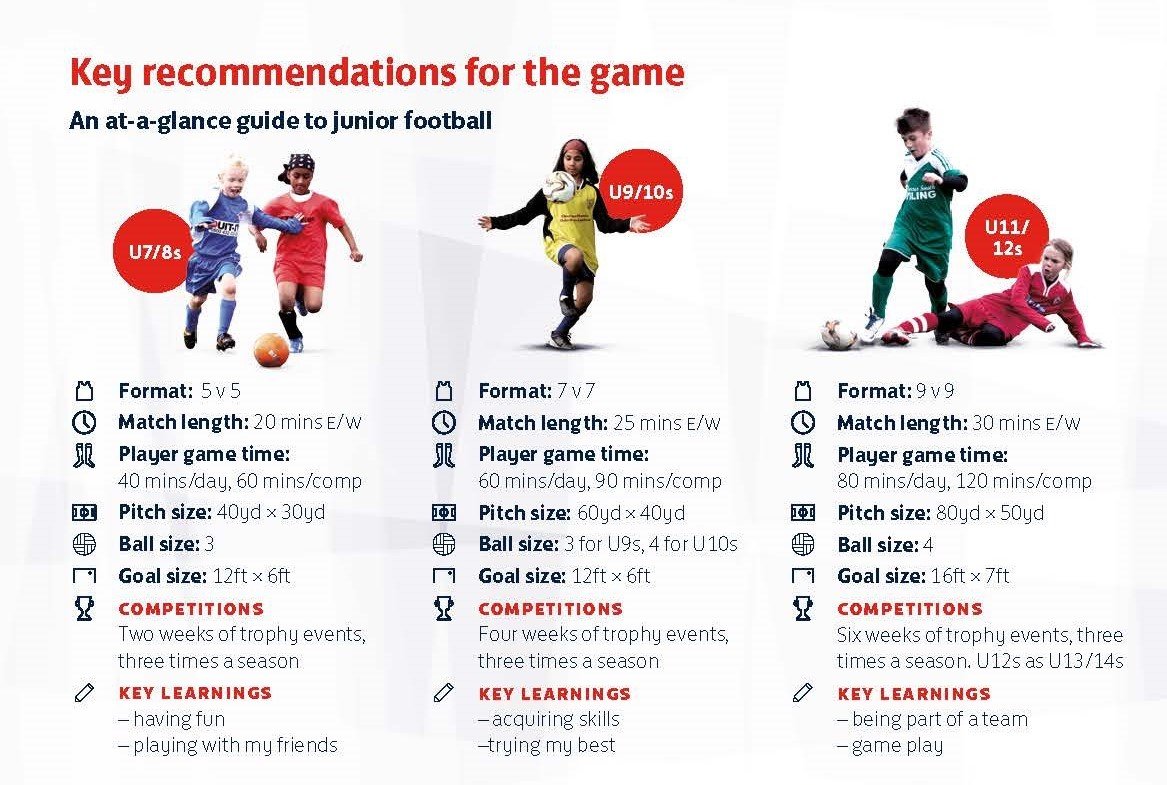
Youth football games typically range from 40 to 60 minutes, depending on the age group and league rules.
Ever wondered about the duration of those exciting matches your kids play? You’re not alone. Many parents and fans ask, how long are youth football games? The answer varies, and it’s important to know what to expect before you head to the field.
Game lengths differ based on age divisions, with younger players typically having shorter game times than older youth groups. These time differences help keep the players engaged and safe. League rules and specific organizations often dictate the exact duration of each match, so always check.

How Long Are Youth Football Games?
Ever wondered how long those exciting youth football games really last? It’s not as simple as saying “one hour,” because it changes depending on a few things. Understanding game length can help you plan your Saturday mornings or afternoons, and knowing what goes into timing can help you appreciate the game even more. Let’s dive into the details of how game time is determined in youth football.
Understanding the Basics of Youth Football Game Time
Unlike professional football, youth football games have varying lengths, often significantly shorter. This is because young athletes have different energy levels and attention spans compared to adults. Keeping games shorter helps them stay engaged and prevents them from getting too tired. The length of a game depends mainly on two things: the age of the players and the league rules.
Age Divisions and Game Length
Different age groups have different game lengths. Generally, the younger the players, the shorter the game. This is because young kids often have less stamina and focus. Here is a look at typical game durations based on age. Remember, these are common guidelines, but specific leagues might have slight variations.
- Flag Football (Ages 5-7): Typically, games are around 40-60 minutes long, usually with shorter periods and a running clock, meaning the clock only stops for a few specific things.
- Tackle Football (Ages 7-9): Games at this level generally run for 60-75 minutes. They will have more periods (sometimes called quarters) than flag football.
- Tackle Football (Ages 10-12): Games for this age group usually take 75-90 minutes. They have more periods and usually longer breaks.
- Tackle Football (Ages 13-14): At this stage, the game time may reach closer to 90-100 minutes. Games are more structured, and the clock rules get closer to what you would see at the high school level.
It’s important to note that these times include not only actual playing time, but also breaks in between periods, halftime, and other stoppages.
The Structure of a Youth Football Game
To understand game length better, let’s look at the components that make up game time.
Periods (Quarters or Halves)
Youth football games are divided into periods. Younger players might play 4 quarters or 2 halves, while older kids always play 4 quarters. The length of each period will vary based on the age group. For instance, a game for 7-9-year-olds might have four 8-minute quarters, while a game for 10-12-year-olds might have four 10 or 12-minute quarters. The key difference is that in the younger age divisions the quarter time might be shorter.
Halftime
Just like in the big leagues, youth football games have a halftime break. This break is usually longer than the breaks between the quarters. It allows players to rest, coaches to talk to their teams, and it is generally between 10-15 minutes, but may vary depending on the league. It is an important part of the game, and helps players get ready for the next half of the game.
Timeouts
Teams use timeouts to stop the clock and discuss strategy or allow players a chance to rest. Each team gets a certain number of timeouts per half or per game, so you see less use of time outs in the younger age categories where focus is more on teaching the game and less on strategy. The amount of time for a timeout is short, usually around 1-2 minutes.
Clock Rules
The way the clock runs also plays a big role in total game time. Different leagues may have different clock rules. Here are the most common:
- Running Clock: In many younger age groups, particularly flag football, the clock is often a running clock. This means the clock only stops for a few reasons, like timeouts or injuries, which helps to keep the game moving and get the game done in the shortest amount of time.
- Stop Clock: In older age groups, the clock stops for more reasons, just like in high school and college football. It might stop for incomplete passes, penalties, running out of bounds and changes of possession. This adds more actual game time and can make the game last longer.
Factors That Influence Game Length
Besides age and league rules, other factors can affect how long a youth football game lasts.
Number of Players
If there aren’t enough players on a team for a normal 11v11 game, some leagues might have slightly adjusted game lengths. Some teams may decide to have a smaller game if they don’t have enough players for 11 v 11. If that is the case, the game is usually shorter. Usually, this happens more in the younger age groups.
Weather Conditions
Bad weather, like heavy rain or lightning, can stop or delay a game. This means it could take longer to finish, or the game may have to be canceled and rescheduled.
Injuries
If a player gets hurt, the game clock usually stops while they get medical attention. This can add a few minutes to the overall game time, but player safety is the priority.
Number of Penalties
Penalties stop the clock in some age groups, and the more penalties there are in a game, the longer it might take. This is especially noticeable when the clock stops for each penalty, and the team has to move back or re-do the play. Usually, in younger age groups, refs will not stop the clock and just give the yards to keep the game moving faster.
Overtime
If the game is tied at the end of the regular time, some leagues use overtime rules. This adds more time to the game. Rules for overtime vary from league to league.
Why Game Lengths Are Different in Youth Football
There is a valid reason why game lengths differ from the big games that you may see on TV. It’s not just a random choice! It has to do with the needs and abilities of the kids.
Focus and Attention Spans
Young children have shorter attention spans. Shorter game times help them stay focused and participate actively without getting bored or distracted. You will often see a dramatic change in game time between the 8-10 year old age range and the 11-12 year old age range.
Physical Development and Stamina
Younger kids don’t have the same physical ability and energy as teenagers or adults. Shorter game times make sure they do not get too tired and they can participate safely. As they get older and stronger, they can handle longer playing times.
Learning and Development
Youth sports are all about learning skills, sportsmanship, and teamwork. Shorter games and simplified rules help kids understand the basics of the game, which will help them when they get to the higher levels of play. It focuses more on what they learn, than how long they play.
Making the Most of Game Time
As a fan or a parent, it can be helpful to understand youth football games from the perspective of length of time and how that is determined. Here are some tips to help make the most of game time:
- Arrive Early: This allows enough time to find parking, get settled, and watch the players warm up, which is a very important part of their preparation.
- Bring Supplies: Pack snacks, water, and chairs or blankets, for the kids and you! This helps everyone stay comfortable and hydrated throughout the game.
- Be Supportive: Cheer on the players and encourage them, no matter what happens in the game. Positive support makes the game experience much better for everyone.
- Be Patient: Games can sometimes run longer than expected because of weather, injuries, or other delays, be patient, and remember player safety is the top priority.
- Ask Questions: If you are unsure about the game time or rules, don’t hesitate to ask the coaches or league officials. This will give you a much better understanding of the game.
Understanding how long youth football games are, and why they are that length, can help everyone enjoy this sport so much more. Remember, it’s all about kids learning, having fun, and staying safe while they play this exciting game!
So, the next time you are heading to the field, you will have a better understanding of how long you will be there, why that is, and can make the most of the game day experience!
The BEST 5 Year Old Football Player! #boomjunior #minijamarrchase #youthfootball
Final Thoughts
Youth football game lengths vary by age group. Younger kids often play shorter games. Older age groups typically have longer matches. Understanding how long are youth football games is essential for planning.
Game duration adjustments depend on league rules and player age. Coaches and parents should check specific regulations. This helps everyone manage time commitment. how long are youth football games differs significantly.

