
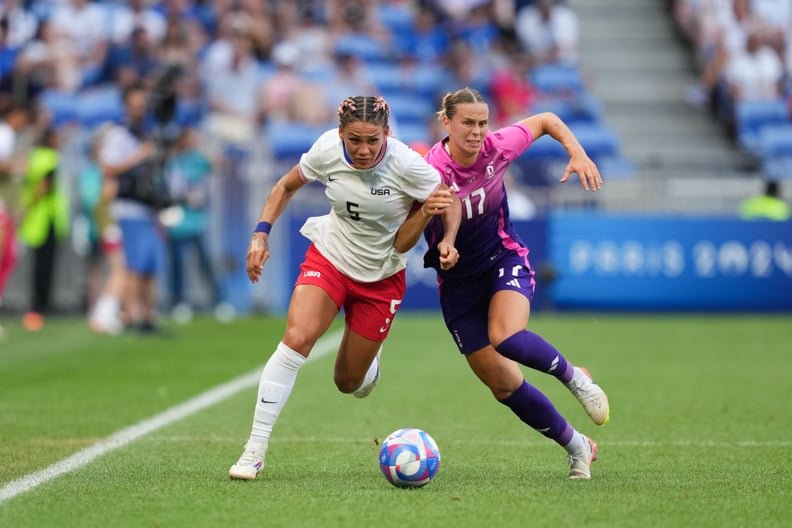
Soccer games typically last 90 minutes, divided into two 45-minute halves, with a 15-minute halftime break.
Ever wondered how long soccer games really take? It’s a common question, especially if you’re new to the sport. Understanding the duration of play can help you plan your viewing or playing schedule effectively. This question of ‘how long are soccer games’ actually has a pretty straightforward answer.
The standard match consists of two halves, punctuated by an intermission. Knowing this simple structure can help both spectators and players with their time management surrounding matches.

How Long Are Soccer Games?
Ever wondered exactly how long you’ll be watching a soccer game? It’s a common question, and the answer isn’t always as simple as a single number. The length of a soccer game can change depending on the age group playing, the level of competition, and even specific tournament rules. Let’s explore all the details about how long a soccer match usually lasts.
Standard Match Length: The 90-Minute Game
The most common length for a soccer game, especially at the professional and adult levels, is 90 minutes. This is split into two halves of 45 minutes each. There’s a break in between, usually about 15 minutes long, known as halftime. Think of it like a movie with an intermission. During this time, players take a breather, coaches give pep talks, and the stadium gets a chance to reset. So, when you add it all together, a standard soccer game takes about 1 hour and 45 minutes of play, plus the halftime break.
Why 90 Minutes?
You might wonder why soccer games are 90 minutes long. Well, it’s a tradition that’s been in place for a long time. The rules were developed in the 19th century, and the 90-minute format became the norm. It’s long enough to allow for plenty of action and excitement, but not so long that players are completely exhausted. 90 minutes provides time for both teams to show their skill and strategy.
Understanding Stoppage Time (Added Time)
While the main playing time is set at 90 minutes, that’s not always the final word. Referees also add what’s called “stoppage time”, or “added time”, at the end of each half. This is extra playing time added to compensate for any delays during the game.
What Causes Stoppage Time?
Several events can lead to added time. Here are some of the most common reasons:
- Injuries: If a player is injured and needs medical attention, the clock stops while they’re being treated.
- Substitutions: When a player is taken out and replaced by another, time is added.
- Time Wasting: If a team is deliberately trying to waste time (for example, by taking too long to take a goal kick), the referee might add extra time.
- Other Delays: Any other delays that hold up the game (like a problem with the equipment) also contribute to added time.
How Much Stoppage Time is Added?
The amount of stoppage time isn’t fixed. It depends on the referee’s judgement about how much time was lost during the half. Sometimes it’s just a minute or two, other times it can be five minutes or even more! You’ll often see this added time displayed on a board held by the fourth official. This variability adds a layer of suspense to the end of matches, as teams may find extra chances to score.
Game Lengths for Different Age Groups
Not every soccer game is 90 minutes. The length of the game is often shorter for younger players. This is because kids have less stamina and attention spans than adults. The rules are adjusted to ensure they get a good experience and develop their skills at an appropriate pace. Here’s a look at typical game durations based on age:
Youth Soccer: Modified Durations
Younger players will see changes in game times, which is tailored to their level of development. Let’s explore some of these age-specific game lengths:
Under 6 (U6) Soccer
For the littlest soccer stars, games are usually very short. U6 soccer games typically last around 30-40 minutes, often divided into four short quarters, with breaks to help them stay engaged. At this age, it’s all about learning basic skills and having fun.
Under 8 (U8) Soccer
As players get older, the game time increases a little. Under 8 soccer games often last between 40 to 50 minutes. These games can be in two halves or four shorter quarters.
Under 10 (U10) Soccer
At this stage, the playing time increases again, with games typically lasting between 50 to 60 minutes. They often are two equal halves, with a short break in the middle for halftime.
Under 12 (U12) Soccer
Under 12 games are usually around 60 to 70 minutes long, usually divided into two halves of around 30-35 minutes each. This increased time allows for more skill development and teamwork.
Under 14 to Under 18 (U14-U18) Soccer
Once players reach this age, games are closer in length to adult soccer. These matches typically last between 70 to 90 minutes, with variations based on league rules or specific competitions. You might start seeing more games follow the standard 90 minute rule.
High School Soccer
High school soccer games generally follow a 80-minute format, which usually includes two 40-minute halves. These matches also include halftime and can have additional stoppage time.
Extra Time and Penalty Shootouts
Sometimes a soccer game can’t end in a tie. When a winner needs to be determined, like in tournament knockout games, extra time and penalty shootouts may be needed.
Extra Time
If a game is tied at the end of the regular 90 minutes, some matches will go into extra time. Extra time usually consists of two additional 15-minute periods. There’s usually a short break between the two extra periods. If the score is still tied after this extra 30 minutes, the game then proceeds to a penalty shootout. Not all competitions have the extra time format, but some tournaments like the FIFA World Cup do have them.
Penalty Shootouts
Penalty shootouts are the ultimate way to decide a tie. Each team takes turns taking shots at the goal from the penalty spot (located in front of the goal area), with the other team’s goalkeeper trying to block the shots. Each team gets a series of five penalties. If the game is still tied after five penalties each, the teams continue taking shots one at a time until one team scores and the other misses. Penalty shootouts can be dramatic and very nail-biting. It’s not uncommon for an entire game’s outcome to be decided in the final penalty shot.
Variations in Game Lengths
There can be slight variations in game lengths. This often depends on specific tournaments and leagues. Sometimes tournaments can adjust the length of games to deal with scheduling issues or to increase the intensity of certain rounds.
Tournaments and Special Rules
Different tournaments might use various rules that affect game length. Some might use shorter games to fit more matches into a day, while others might have slightly longer extra-time periods. The rules for each tournament are set in advance, so it’s worth checking them if you’re watching a match in a specific competition. For instance, a youth tournament might have 25-minute halves instead of 45 minutes that a normal adult game would have. It’s always a good idea to check specific rules when you attend a game.
Factors Affecting Total Game Time
Several factors can have an impact on the total time it takes to play a soccer game. It is always a good idea to consider these factors.
Delays and Interruptions
Beyond just added time, other issues can cause interruptions, like weather delays. If there’s a thunderstorm, the game might get suspended for safety reasons. There can also be delays because of issues with the field or equipment. All these things can increase the total time you spend watching a game.
Halftime Lengths
The typical halftime break is 15 minutes, but this can also vary sometimes. In some lower leagues, it may be shorter. It’s usually for a set period of time, but in certain situations, it can be adjusted as needed.
Timeouts
Unlike some other sports, soccer does not have timeouts (except for very specific injury situations). Coaches do not get chances to stop the clock to speak with players, which helps keep the game flowing continuously. This continuous flow of play adds to the uniqueness of the sport.
Quick Recap of How Long Soccer Games Are
Let’s go through a short overview of the different lengths of soccer games we’ve discussed. This summary should provide a clear view of how long to expect the duration of the game to be:
- Standard Adult Match: 90 minutes (two 45-minute halves) plus halftime, with added stoppage time at the end of each half.
- Youth Games: Shorter durations, from around 30-40 minutes for U6 to 70-90 minutes for older youth.
- High School Games: Approximately 80 minutes (two 40 minute halves).
- Extra Time: Two extra 15-minute periods if needed to resolve a tie, followed by penalty kicks.
The next time you’re about to watch a soccer match, you’ll have a better understanding of how long it will last! You can expect the full experience, including all the highs and lows, the intensity, and maybe even the extra time needed to crown a winner.
How long are soccer games for 6th graders?
Final Thoughts
Standard soccer matches last 90 minutes, split into two 45-minute halves. A 15-minute break happens at halftime. Injury time gets added at the end of each half.
Youth games, however, often have shorter periods. “How long aresoccer games” depends greatly on the age group. These variations accommodate different fitness levels.
Therefore, while 90 minutes is typical, be aware of variations.

