
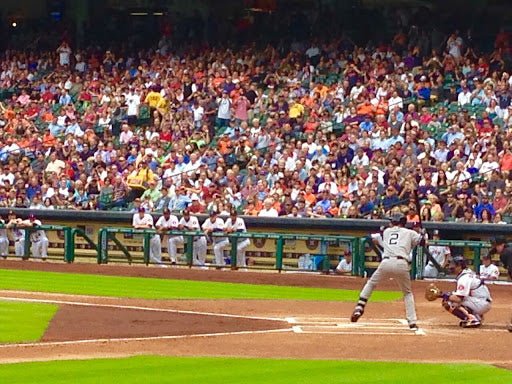
Typically, a baseball game lasts around 3 hours, but it can range from 2 to over 4 hours depending on various factors.
Ever found yourself wondering how long baseball games actually take? It’s a common question for fans, especially if you are planning your day around a game. The duration isn’t always fixed, making planning a little tricky.
Many things influence game length like extra innings or frequent pitching changes. Understanding these aspects helps prepare you for how long you might be at the ballpark. It also makes enjoying the game more easier.

How Long Baseball Games Really Are: A Deep Dive
Ever sat down to watch a baseball game and wondered, “When will this be over?” You’re not alone! Baseball games can feel like they last forever, but there’s a lot more to it than just feeling long. Let’s explore exactly how long baseball games usually are, what makes them take so much time, and even some cool facts about game length.
The Standard Nine Innings and Beyond
The foundation of every baseball game is the nine innings. Each inning is split into two halves: the top and the bottom. The visiting team bats in the top half, and the home team bats in the bottom half. The goal is to score more runs than the other team. But, unlike sports like basketball or football that have a set clock, baseball doesn’t have a timer that dictates the game length. This absence of a clock is a huge factor when talking about how long baseball games can be.
What Makes the Time Tick?
So, why does nine innings sometimes feel like an eternity? Several things can contribute to the game clock and push the length of baseball games:
- Pitching Changes: When a pitcher gets tired or isn’t doing well, the coach can swap them out for a fresh one. This takes time because the new pitcher has to warm up on the mound. A lot of pitching changes in a game can really add up to the game time.
- Batting: When a batter comes up to hit, it’s not just a quick swing and done. They might take some practice swings, step out of the box to adjust their gloves, or chat with the coach. These little things take seconds each time, but they quickly build up. The more pitches a batter sees before hitting, the more time the game takes.
- Walks and Hits: When a batter gets a base on balls (a walk), or gets a hit and gets to first base, this also takes time. It’s more time added to game as runners advance and plays have to develop, contributing to the how long baseball games can be.
- Strategic Plays: Things like stolen bases, bunts, and substitutions take time. When a manager makes a tactical decision, it takes extra time for those plays to unfold.
- Injuries: Unfortunately, injuries sometimes happen in a baseball game. If a player gets hurt, the game has to stop so the player can receive medical attention. This adds to the game clock.
- Replays and Challenges: Nowadays, managers can challenge calls made by the umpires. The umpires then review the play using video replays, and that process obviously adds more time to the game.
Average Game Length
While there’s no clock to time the game, we can track the average length of games. Major League Baseball (MLB) games usually clock in around 3 hours. But, again, this is just an average. Games can be shorter or much longer depending on all those factors we talked about.
Factors Affecting Game Length
Here’s a more detailed look at the factors that can make a game shorter or longer than average:
- Low Scoring Games: If a game doesn’t have many hits or runs, the game will tend to be shorter. Fewer pitches are usually thrown in these low-scoring games, because the batters do not stay on base for long and the pitchers do not have to work to get them out.
- High Scoring Games: In contrast, a high-scoring game often means more hits and runners on base. This also implies many more pitches, because the pitchers have to work hard to get them out. And that makes games take longer.
- The Number of Pitching Changes: Lots of pitching changes can make a game drag on. Each change takes several minutes.
- Extra Innings: If the score is tied after nine innings, the game goes into extra innings. There’s no limit to how many extra innings can be played, and some games can go on for many innings. So, that adds to how long baseball games can be.
- The Pace of the Pitchers and Batters: Some players like to take their time in between each action. For example, a pitcher may take longer time to throw a ball, or the batter may take longer to get into the batter’s box. These are more subtle things that can add up to the game’s length.
MLB’s Attempts to Speed Up Games
Major League Baseball has taken several steps to try and reduce the length of games. They’ve implemented changes to make the game flow smoother:
- Pitch Clock: One of the biggest changes was adding a pitch clock. Now, pitchers must throw the ball within a set amount of time, and batters have to be ready in the batter’s box, this encourages a quicker pace.
- Limiting Mound Visits: Now, there are limitations on how many times a manager can go to the mound to talk with the pitcher. This reduces the amount of time spent on discussion.
- Pace of Play Rules: There are other rules in place to help move the game along such as limiting the time for each play or pitching change.
Examples of Exceptionally Long Games
Even with attempts to speed things up, some baseball games have become legendary for their long length. These can teach us a lot about how varied how long baseball games can be.
The Longest MLB Game Ever
The longest game in MLB history was between the Brooklyn Robins (now the Los Angeles Dodgers) and the Boston Braves (now the Atlanta Braves) in 1920. It lasted 26 innings! The game went on for over 3 hours, but the score was still tied 1-1, which made the teams decided to stop playing because it was getting too dark. It was finally called a tie, but it took a very long time.
Other Long Games
There have been other long games as well, sometimes lasting over five or six hours. These marathon games really test the players’ endurance and, of course, the patience of the fans!
The Impact of Game Length on Fans
How long baseball games are can be a big deal for fans. For some people, the slow pace is part of the charm, it gives you time to talk and enjoy the experience. But, for others, especially young children or people with busy schedules, a very long game can be difficult to manage. It’s good for baseball to be aware of this, because it affects their audience.
Enjoying the Game Regardless of Length
Whether you enjoy a quick game or a long, drawn-out battle, there’s a lot to appreciate about baseball. It’s a sport that rewards patience, strategy, and teamwork. The duration is simply part of the overall experience. Baseball has many things to enjoy. It can be very exciting with nail-biting finishes, big home runs, and also the thrill of a perfectly executed double play.
Minor League Baseball Game Lengths
While the focus is often on Major League Baseball, it is also helpful to look at Minor League Baseball. The length of games in the minor leagues is similar to MLB, typically around 2.5 to 3 hours, but might vary depending on the specific league or level of play. They also experience those same factors that affect game length like pitching changes, extra innings and more. Therefore, they can be shorter or longer.
Youth Baseball Game Lengths
Games at a youth level are a bit different from professional games. They tend to be shorter because younger players might not have the same level of endurance and because the games may not have as many innings. Typically, a youth baseball game can be anywhere from 1.5 to 2.5 hours depending on the age group and league rules.
How Leagues Affect Game Lengths
Youth baseball game lengths can depend on the league, which may include different rules, such as time limits, fewer innings, or other factors. These adjustments help ensure the game is age-appropriate and enjoyable. There is often an emphasis on the fun of the game for younger players, rather than the clock.
The Future of Baseball Game Length
MLB and other leagues will likely continue to make adjustments to help games flow as smoothly and efficiently as possible. These efforts will help ensure the games are enjoyable for players and for everyone in the audience. As fans, we can all appreciate the efforts to strike a good balance between the classic aspects of baseball and modern day needs for pace of play. We have learned how long baseball games can be and what affects the game clock.
Baseball is such a wonderful sport, full of excitement, teamwork, and strategic plays. The variable nature of how long baseball games are is part of its unique charm. Knowing the different factors that influence the game length adds to your appreciation of baseball. Whether it’s a short, fast game or a long, drawn-out battle, each is an experience to savor.
Baseball games are longer than ever. Here's why.
Final Thoughts
Baseball game durations vary, influenced by factors like pitching changes and scoring. Generally, games average around three hours, but can go much longer. This variance makes predicting the exact end time difficult.
Understanding game length requires accepting its somewhat unpredictable nature. Therefore, when planning activities after the game, allow flexibility. Considering how long baseball games typically run, you’ll avoid disappointment.

