
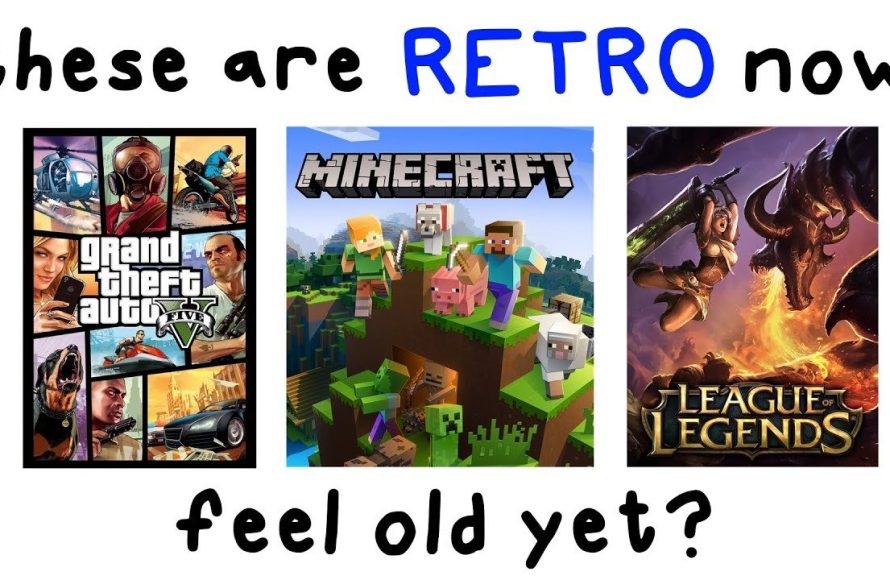
A game is generally considered retro roughly 20-30 years after its initial release.
Remember those pixelated graphics and chiptune soundtracks? They evoke a feeling of nostalgia for many. We often find ourselves asking, how long before a game is considered retro? It’s a question with no single answer.
The line between old and retro is blurry. It’s not just about age but also about how a game holds up over time. We explore this topic further, as time plays its part in the games we love.

How Long Before a Game is Considered Retro?
So, you’re wondering when a game goes from being “old” to being “retro,” huh? It’s a great question, and honestly, there isn’t one single magic number. It’s not like a birthday where you suddenly turn a certain age and poof you’re officially retro. Instead, it’s more like a gradual slide, a mix of different things that make a game feel like it belongs in the past. Think of it like how the seasons change—it’s not one day that’s suddenly summer; it’s a gradual shift. We’ll explore all the cool stuff that helps us decide if a game is retro.
The Passage of Time: A Key Ingredient
Time is definitely the biggest factor, but it’s not the only one. Imagine a really old car; the older it gets, the more likely we are to call it “vintage” or “classic.” Games are kind of the same way. We start to feel a certain fondness for games from our past because we remember them fondly, and we often compare them to what we have now. But exactly how much time? Well, that’s where things get a bit interesting.
The Ten-Year Rule: A Starting Point
Many gamers throw around the “ten-year rule,” which suggests a game could be seen as retro about ten years after it came out. This isn’t a hard rule set in stone, but a common rule of thumb that’s often used. For example, games released in the early 2010s are starting to gain a retro feel now. This might be because technology moves so quickly that what was cutting edge back then seems kind of charmingly outdated now. Think of the first generation of Playstation games when they got older, or the first Xbox games. People started to see them as retro as new console generation came around, with better graphics and mechanics, so what seemed amazing back then, now feels a little older.
Beyond a Decade: The Nostalgia Factor
What happens after ten years? Well, time continues to tick away, and the feeling of nostalgia gets stronger. Games from the late 1990s and early 2000s, for instance, have a very strong retro vibe for many. When you think about these older games, you might think about a specific time in your life—a cozy couch, a group of friends playing together, or maybe just a specific happy moment. This is a common element in games becoming retro. It is more than just the graphics or how it plays, it is also the feelings that the game brings back.
The Role of Technological Advancements
Technology has changed quite fast since the beginning of video games. Think of games like Pac-Man or Pong – they feel very retro today, not just because of their age but also because of how basic they are compared to today’s games. Here’s how technology plays a part:
Graphics and Visual Style
How a game looks is a huge deal when deciding if it’s retro. The old games from the 80’s and 90’s have very pixelated graphics compared to modern games. If a game has those old-school chunky pixels, it definitely adds to the retro feel. Think about the difference between the 2D games from the Super Nintendo era and the complex 3D games of today. The shift from those simpler graphics to the complex graphics we have now has a lot to do with what we see as retro. And, it’s not just about pixel counts; art style matters too. Some retro games have a distinctive look that we now associate with that era. It can be simple, but if its distinct, its very nostalgic.
Gameplay Mechanics
How a game plays is another big factor. Many older retro games have very straightforward rules and controls. Think about a classic game like Super Mario Bros. it is simple, you jump and run through the levels. Now, modern games often have a lot more involved mechanics, with more controls, and a much more involved story. When we play retro games, we can feel the difference in gameplay and appreciate the simplicity of those older games. The evolution of gameplay mechanics also influences whether a game feels retro. The older games are like a trip back to the basics.
Hardware Limitations
The computers and consoles that old retro games ran on had certain limitations. Those limitations in the hardware resulted in specific kinds of graphics and gameplay. For instance, older consoles might have used cartridges that held a limited amount of data, unlike the disk that we use today. When you look at games from those older systems, you can often see the impact that the hardware had on them. The restrictions created a unique style and feel which contributes to the retro vibe.
The Impact of Cultural Significance
Sometimes a game becomes retro not just because of age, but because it left a big mark on gaming culture. It could be a game that was super popular at the time, or introduced a new game concept, or a game that changed the way other games were made. Games with cultural impact often become retro icons.
Genre-Defining Titles
Games that started entire genres or set high standards for others are more likely to be seen as retro. Think of Doom when it came out and how that game impacted how FPS games were made later, or how Grand Theft Auto III set a standard for open-world games. These games become benchmarks that we compare new games to. It is like a standard for the genre, and this plays a huge role in a game’s retro status.
Games With a Large Fan Base
If a game still has a dedicated community or has been re-released many times, this is a big sign that is likely retro. It’s like a classic book or movie that keeps being discussed and appreciated by new audiences. Games that have a lasting appeal often become part of gaming history and become retro. A community around a game has a huge impact on a game feeling like it has staying power, which further solidifies its retro status.
Nostalgia and Personal Connection
Often times, if a game was very impactful to people’s childhood, then they are more likely to see that game as retro as time goes by. It is like a piece of your childhood that you get to revisit. A strong personal connection to the game can make it feel retro faster, even if it’s not that old. Our personal experiences with the game also play a big role in determining if we see a game as retro. Some games become more than just games they become a portal to the past.
The Subjectivity of Retro Status
Here is the thing, whether a game is considered retro is also based on who you ask. What seems retro to one person might not seem so to another. It all comes down to individual experiences and how much time has passed since you played it.
Age of the Gamer
Younger gamers might see games from the early 2000s as retro, because they weren’t around to experience them when they first came out. Older gamers might not see them as being very retro since they remember how brand new these games felt when they were released. There are people who have been gaming since the beginning of gaming, and the younger generations that have just gotten into it. The difference of experience also creates a difference in what might be retro to them. It is a matter of your perspective.
Personal Gaming History
The games that we grew up with or had a big emotional experience with are more likely to feel retro to us. If you spent a ton of time playing a game on your old console as a kid, that game might feel very retro, even if it’s not technically that old. For example, someone who played the original Halo on the Xbox might see that game as retro, while someone who got into the Halo series later may not see it as retro yet. Personal experience plays a big part in the whole retro thing.
The Impact of Remakes and Remasters
Sometimes, when a retro game gets a remake or remaster, it sort of reinforces its retro status. The game’s developers may want to bring it back for new gamers to see, or to revisit the game by updating the graphics or gameplay with a modern feel, this adds to the feel that the original is in fact retro. When the old retro game gets an updated version, it really shows the contrast between the original and the modern version, solidifying the retro version in the past.
So, How Do We Define “Retro”?
Let’s sum it all up by making things clear. We don’t have a set in stone definition of “retro” but we do have a lot of strong factors that we can take into consideration:
- Time: It has to be at least ten years since the game was released to start to feel retro, and the older it gets, the more retro it feels.
- Technology: Games with older graphics, simpler gameplay, and limitations in old hardware are more likely to feel retro.
- Culture: Games that changed the gaming world, have a big fan base, or are still being talked about tend to be seen as retro.
- Feelings: The gamer’s personal connection, and the feelings of nostalgia that they bring makes them feel retro.
In short, a game is considered retro when it is no longer new, there are big differences in the graphics and how it plays compared to what we have now, and when it brings up a feeling of nostalgia. It’s a journey through the past, and it’s a personal thing for each of us.
So, the next time you pick up an old game, think about all the things that make it feel retro. It’s not just an old game; it’s a piece of history and a way to connect with the past and where games come from.
When the games you grew up on are considered "retro"
Final Thoughts
Determining how long before a game is considered retro remains subjective, varying among gamers. Generally, titles from two console generations back often earn the retro label. This period allows for significant technological advancements and creates a nostalgic feel.
A game’s age isn’t the sole factor; cultural impact and availability also influence its retro status. How long before a game is considered retro, essentially, depends on individual perspective and community acceptance. Older games offer something we can explore, a slice of history.

