
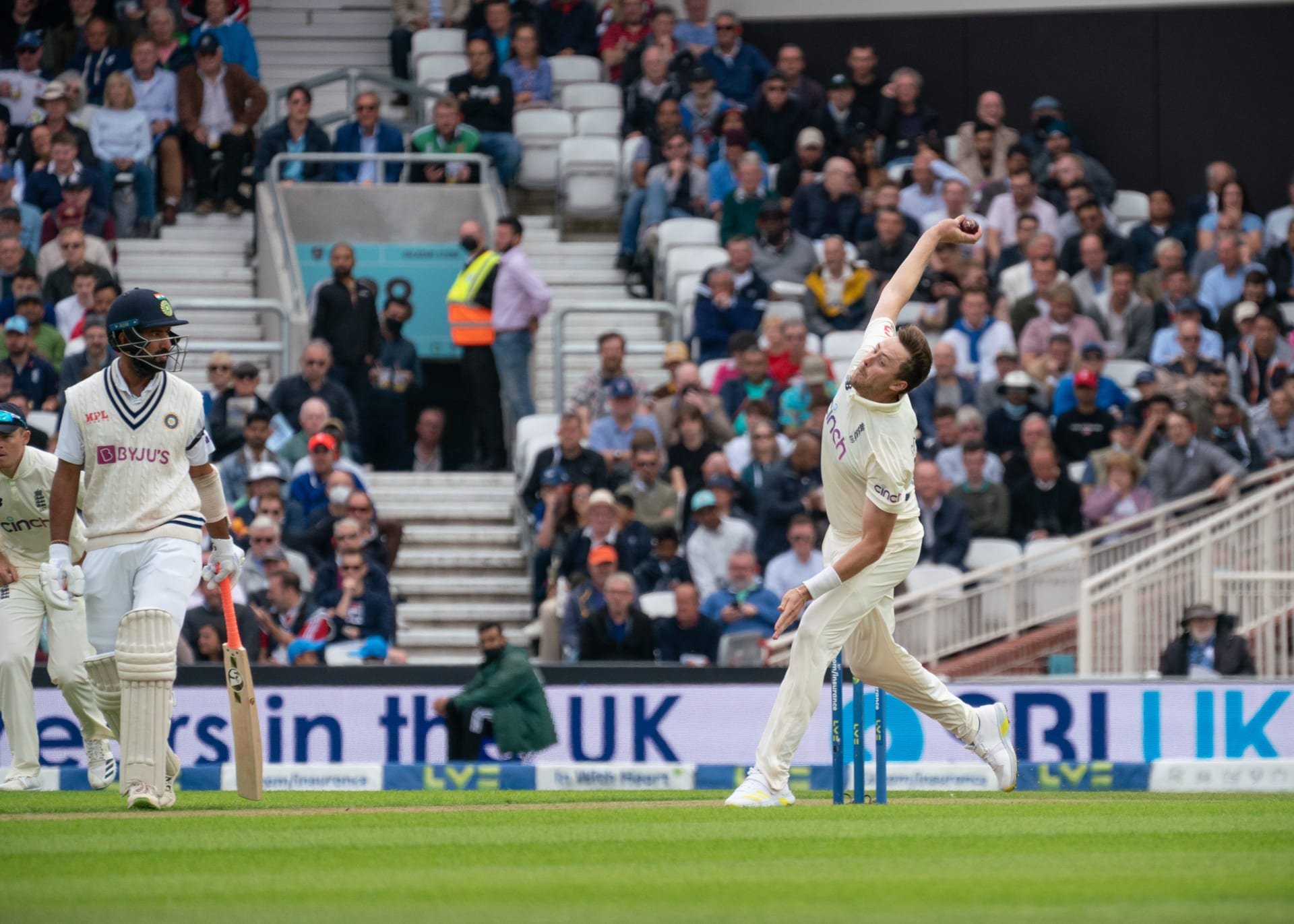
A cricket game can last anywhere from a few hours for a T20 match to up to five days for a Test match.
Ever wondered about the varied timelines of cricket? It’s a sport with different formats, each with its own duration. The question, “how long can a cricket game last?” isn’t as straightforward as it might seem.
We often see short, fast-paced T20 matches concluding within an afternoon. But then there are the sprawling Test matches that can extend over multiple days. This flexibility in game length is part of what makes cricket so engaging.

How Long Can a Cricket Game Last?
Cricket, a sport loved by millions around the world, isn’t known for its speedy games. Unlike some sports that wrap up in an hour or two, cricket matches can be marathons! How long a cricket game lasts really depends on the type of cricket being played. Let’s dive into the different formats and how they affect game length.
Test Cricket: The Ultimate Endurance Test
Test cricket is the granddaddy of all cricket formats. Think of it like a multi-day story, unfolding over a long time. It’s designed to test the skills, strategy, and stamina of players to the absolute limit.
The Five-Day Format
A standard Test match is scheduled to be played over five days. Each day involves three sessions of play, with breaks for lunch and tea. This can mean about 6 to 7 hours of actual playing time per day. So, a Test match can potentially provide approximately 30-35 hours of total playing time. However, several things can influence this.
- Weather: Rain is a very common factor in cricket, particularly in certain countries. If rain is heavy, it can stop the game for hours, or even entire days. This means a Test match might not even reach its natural conclusion. If play is lost, that playing time is not made up by extending the other days unless the umpires and captains agree on that at that time.
- Time for Each Day: Usually, a day of test cricket runs from about 10 AM to 5 PM or 6 PM, with breaks in between. Some matches may start later or finish later to accommodate for daylight hours.
- Over Rate: In cricket, they bowl “overs.” Each over has 6 balls bowled. A faster “over rate” means more overs are bowled within a day, and a slower over rate means less. This can make some matches feel longer as it takes longer to reach the required amount of overs.
- Result Achieved Early: While they schedule five days, a Test match can finish in less time than this if a team wins early. If one team has better players or a superior tactic, it’s possible for the game to end well before five days.
The key feature of Test Cricket is the potential for a draw, if a game runs for the full five days but a clear winner hasn’t emerged, and all the ten wickets of one team haven’t fallen twice each. So, unlike many other sports, a long cricket game doesn’t necessarily mean there will always be a winner! Test cricket is about the long game – the strategic battle and individual player’s endurance.
One Day International (ODI) Cricket: A Faster Pace
Moving on from the longest format, we have One Day International cricket, or ODIs. As the name suggests, they should be completed within a single day, but this is not always true.
The One-Day Match Structure
One Day International matches typically last for about 7 to 8 hours. Here’s how they work:
- Limited Overs: Instead of unlimited overs like in Tests, ODIs feature a fixed number of overs per innings, typically 50 overs per team. This makes things faster.
- Two Innings: Each team gets one chance to bat, and one chance to bowl. After each team has completed their allocated overs, the match concludes when a winner is decided by runs scored.
- Breaks: The break between the two innings, which is called an innings interval is usually not very long. Apart from it, there are no formal breaks during an ODI match.
- Weather Delays: Again, if weather interferes, games might get extended, or the number of overs may be reduced. Sometimes, a reduced-overs game becomes an even faster paced affair.
ODI matches are designed to be more exciting with an aggressive approach, and the pressure to score runs more quickly compared to Test matches. This shorter timeframe makes them popular, as they provide entertainment in a single day. This format is great for those that want to see a winner in a single day, but don’t want the shorter formats.
Twenty20 (T20) Cricket: The Quick Thrill
Now for the shortest, fastest and most exciting form of the game, we have T20 cricket. This format is designed to be high-octane and action packed with a game lasting in less than half a day, or less than four hours.
The T20 Match Format
T20 matches are the quickest format and are designed for maximum entertainment. Here’s a look:
- Very Limited Overs: In T20 matches each team has just 20 overs per innings. This ensures quick scoring and explosive action.
- Fast-Paced: Everything in T20 moves very quickly. The focus is on big hits, fast scoring, and aggressive gameplay from each player.
- Short Breaks: Similar to ODI matches, there’s only a short break between innings.
- Matches Duration: A typical T20 match will take around 3 to 4 hours from start to finish. This makes it a very enjoyable way for even casual fans to see a cricket game.
Because of its short format, T20 games have become very famous. It’s perfect for people that don’t have the time or patience for longer games and that want to see a result in one evening. The speed and intensity of T20 matches make it super exciting. This format has made cricket more accessible to different demographics and helps bring in a broader audience who normally don’t have the capacity to watch long drawn games.
Other Factors That Affect Game Duration
Even with set formats, there can be other situations that impact how long a cricket game can last.
Slow Over Rates
In all formats, the rules require a certain number of overs to be bowled each hour. If a team bowls slower than required, they’re deemed to have a “slow over rate.” This can result in a penalty such as requiring them to bowl less overs in their innings, or even added time to finish the innings, this means the match will last longer. Slow over rates sometimes happen if the bowling team takes a lot of time between overs, and this sometimes results in penalties for the team. Over rates are carefully watched in all types of cricket games.
Weather Conditions
As mentioned, weather plays a huge role. Rain can halt matches for a few minutes, hours, or even days. In extreme cases, a match might be abandoned completely. When matches are interrupted, play can be resumed later if weather allows. Umpires can also reduce the number of overs if the rain has reduced the available playing time. There’s also the use of the “Duckworth-Lewis-Stern” method which is a complex mathematical way to decide the target score for the team batting second, in case of rain interruptions.
Injuries and Other Delays
Sometimes, player injuries can cause a pause in play for a while. Also, if there are any unforeseen situations, they can also interrupt play and lengthen the match. While these interruptions are rare, they do happen. For example, if a player damages the playing surface, or other incidents happen, this can result in delays. These are all factors that mean the match length may vary from the expected length.
Variations in Match Length
While we’ve discussed the standard formats, some variations exist:
- Domestic Cricket: Domestic cricket leagues around the world sometimes have slightly different rules or time constraints compared to international formats.
- Exhibition Matches: Some exhibition or charity matches may also change the rules to shorten game lengths for entertainment.
- Other Shorter Formats: Many other cricket tournaments are designed to last even shorter periods of time, such as “The Hundred” in the UK, which features matches that are even quicker than a T20 match.
These variations mean there can be differences to the length of a match, depending on the tournament that is being played. But the core rules we have discussed generally apply to every match.
Why Does Cricket Take So Long?
After understanding all of the lengths of the games, why do cricket matches take so long? Let’s explore that.
- Complexity of the Game: Cricket involves many different aspects of the game. There are a lot of moving parts, lots of different roles for each player, and plenty of variables to keep track of.
- Strategic Depth: Cricket isn’t just about hitting a ball, it’s a very strategic game, with many different tactics. This can take time to unfold in a match.
- Long Innings: In longer formats like Tests, the concept of long innings means that batsmen are able to stay in the game for hours.
- Breaks and Changeovers: While the breaks in T20s are very short, there are longer breaks during test matches, and also longer breaks when the innings are changing. All these add to the match length.
Because of these reasons, it’s not unusual for a cricket match to take a long time to complete. The long lengths are part of the charm of the game for many people, as they appreciate that the games are strategically complex and are a test of endurance as well as skill.
So, you now have a detailed explanation of the different lengths of cricket matches. From the slow and strategic Test matches, to the fast paced T20 matches, there is a game for everyone! Each format offers its own unique experience.
Cricket’s duration can vary greatly depending on the format. Test matches are the longest, while T20 games are the shortest. Factors like weather and over rates can also make a game go longer. Whether you love the long drawn-out battles of Test cricket or the fast thrills of T20, understanding these differences helps make cricket more fun to watch.
The Rules of Cricket – EXPLAINED!
Final Thoughts
Cricket game duration varies significantly based on the format. Test matches can span five days, while a T20 game finishes in about three hours. One Day Internationals usually last for a full day.
Therefore, the answer to ‘how long can a cricket game last’ isn’t simple. It’s determined by the specific game format being played. Formats such as the test format can stretch the timeline, sometimes resulting in a draw as well.

