
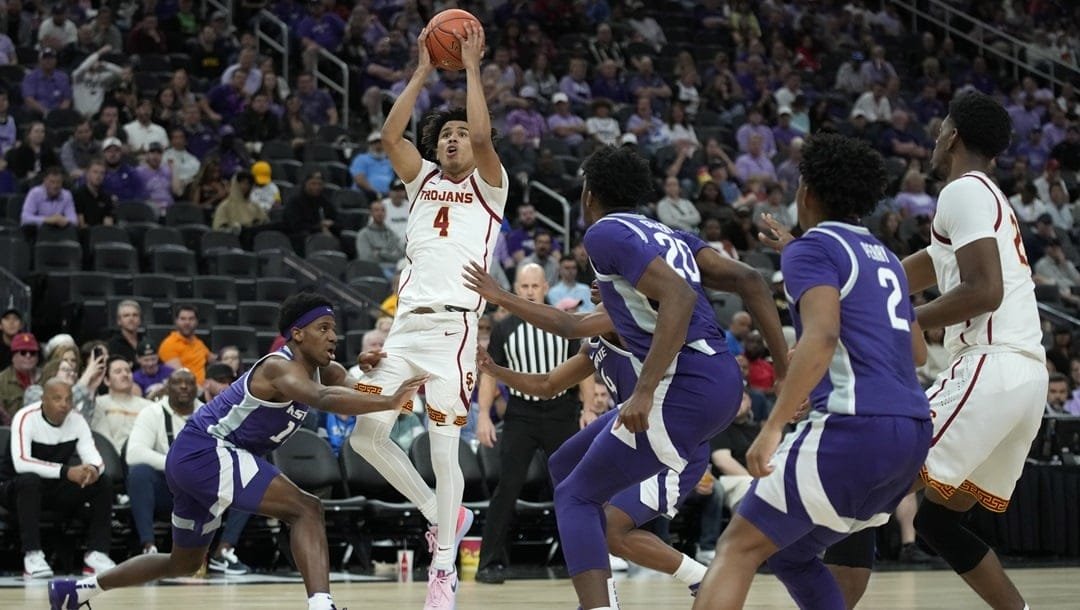
College basketball games usually last about two hours, including halftime.
Ever wondered how long you need to set aside to watch a college basketball game? Many factors can affect the clock, but it’s helpful to know a typical timeframe. So, how long do college basketball games usually last?
The standard game consists of two 20-minute halves, with a break in between. This halftime period adds some time to the total duration.
Ultimately, planning for around two hours should allow you to catch all the exciting action and drama on the court.

How Long Do College Basketball Games Usually Last?
Have you ever sat down to watch a thrilling college basketball game and wondered, “How long is this actually going to take?” It’s a great question! Unlike other sports with more fixed times, basketball game duration can vary a bit. Let’s dive into the details and see what makes up the total time of a college hoops game.
The Basic Game Structure
The first thing to understand is the fundamental setup of a college basketball game. It’s divided into two halves, not quarters like in the NBA or the NFL. Each half has a set amount of playing time. Here’s the breakdown:
Regulation Playtime
In NCAA men’s basketball, each half is 20 minutes long. So, a standard college game has a total of 40 minutes of play clock time. In women’s college basketball, things are a little different. Each quarter is 10 minutes long. So a women’s college game consists of four 10-minute quarters, making up the same 40 minutes of total game time. So, if you hear someone say “40 minutes” that’s total playing time in a typical college basketball game.
- Men’s College Basketball: Two 20-minute halves
- Women’s College Basketball: Four 10-minute quarters
It’s important to remember that the 40 minutes is just the time the clock is actually running during game play. What makes games go longer are other factors, like timeouts, fouls, and breaks.
Understanding Timeouts
Timeouts are a crucial part of basketball strategy. They are moments when the clock stops, and coaches can talk to their teams, plan a play, or give players a rest. These breaks contribute to a game’s overall duration. Timeouts are also used to stop play when a player gets injured.
Full Timeouts
Each team receives a certain number of full timeouts, which are longer pauses in game play. In college basketball, each team gets to call 5 full timeouts per game and 1 or 2 additional full timeouts in overtime play. Full timeout duration is usually 75 seconds or 1 minute and 15 seconds.
30-Second Timeouts
Along with the full timeouts, each team gets additional short timeouts, sometimes called “20-second timeouts” or “30-second timeouts.” These usually are not very long, as they are meant for quick strategy changes. Teams are provided 3 such timeouts, adding little time to the total clock.
These timeouts, both short and full, can stretch the game time. Remember that each timeout adds anywhere from 20 to 75 seconds each time. If a game is close and a team is using all of their timeouts at the end of each half or during the final minutes, that will extend the game clock by a good amount.
The Impact of Fouls
Fouls are another factor contributing to the variability in game time. Whenever a foul is committed, the clock stops, and play is paused until the situation is resolved. This adds significant time to the game, especially if there are frequent fouls.
Free Throws
When a player is fouled, they might get to shoot free throws. Free throws add extra time to the game. They each take time to set up and complete. Even though each individual free throw doesn’t take very long, the overall time adds up. When a player shoots a free throw, the clock does not move until the ball has been released, and this is called ‘dead time’. Depending on the situation (player has to make multiple free throws in a row), the clock can be stopped for 1-2 minutes straight. If we see lots of fouls, the game will take longer to play.
Types of Fouls
There are different types of fouls that affect the game duration. For example, if a shooting foul is committed, it always results in free throws. Fouls not related to shooting sometimes allow the team to inbound the ball. All of these scenarios pause the game clock, and can eventually increase the overall game length. Also, if a player has a technical foul or an intentional foul, this is another situation where game time is added because of the process involved.
Halftime Break
After the first half, there’s a break called halftime. This break, which allows the teams to rest and coaches to strategize, can vary slightly depending on the venue and specific league rules. Halftime usually lasts around 15 to 20 minutes.
Halftime is a set amount of time in between the halves, and does not change unless there are unique situations. Halftime helps stretch the total time of a basketball game to longer than 40 minutes.
Overtime Situations
Occasionally, games can go into overtime. This happens when the score is tied at the end of regulation time. Overtime periods in college basketball are 5 minutes long. If the score is still tied at the end of overtime, then there is another overtime period. This cycle continues until a winner is found. Overtime greatly increases game duration.
Frequency of Overtime
Overtime games don’t happen every game, but they’re not rare either. Overtime adds a minimum of 5 extra minutes to a game and depending on how close the scores are at the end of each overtime period, the game could get much longer. If a game goes into double, triple, or even quadruple overtime, you can expect a longer time than an average basketball game. This is an important aspect for understanding game duration in college basketball.
The Flow of the Game
The overall “flow” of the game significantly influences how long a game will take. Some games might have fewer fouls and fewer timeouts, leading to a faster game time. Others might have lots of fouls, timeouts, and reviews, that extend game time dramatically. Games that have lots of scoring usually have shorter game times, and games that have very little scoring tend to have longer game times.
Fast-Paced Games
If a game is fast-paced, with lots of scoring and very few interruptions, the overall game time tends to be shorter. If each team is scoring with every possession of the ball, there are fewer chances for a game to be stopped due to a foul or timeout, and therefore the game goes by fast.
Slowed Down Games
Sometimes a team might try to slow down the pace of the game to control the tempo. A slow-paced game might have more time dedicated to passing the ball, or running set plays. This means there is less action, and fewer opportunities to score. Usually slower games increase the game time. There might also be more timeouts and fouling when a team slows the game down, which also increases the overall duration.
Official Reviews
Another way game duration is extended is due to official reviews. Referees sometimes use video replay to review a play, and these review periods usually take some time. Game clock is stopped while the referees review a play, and this might increase the overall length of the game. While not every game has an official review, it adds time to a game when a review is necessary.
Types of Reviews
Reviews often happen for end of game situations such as a last shot attempt, or whether the ball was out of bounds before the final buzzer. Official reviews can also happen to decide which player gets the ball when a play is not clear. Every time a game is delayed to perform these reviews, the game duration extends.
Variations in Game Length
While the rules are pretty consistent, there are some small factors that can affect the total game duration. Some venues might have slightly longer timeouts or halftime. Other conferences might have different clock procedures. While these are small variations, they can affect the total duration of the game.
Tournament Games
Games played during tournaments like March Madness might have more TV timeouts. These TV timeouts are usually meant for commercials, and can extend the game’s length a little bit. Especially when the tournament reaches the later rounds, TV timeouts can add a few extra minutes per game. Also, championship games might be more high profile and have more official reviews which can extend the total game time.
Early Season Games
Sometimes early season games or games during holiday tournaments have some variation in the flow of the game. These games might not always be the most high profile so game times can vary based on the amount of timeouts called, and the types of reviews used.
Average Game Duration: What to Expect
So, taking all these factors into account, what’s the average total time for a college basketball game? It’s not as simple as just saying 40 minutes. The combination of all the factors discussed above (timeouts, fouls, halftime, official reviews) mean that a college basketball game usually lasts between 2 hours and 2 hours and 20 minutes. A game with overtime, lots of fouls or official reviews could exceed 2 hours and 30 minutes or more. Also, as mentioned before, championship games and high profile games usually go longer due to increased commercials and television timeouts.
Here’s a general idea of what to expect:
- Typical Game: Approximately 2 hours to 2 hours and 20 minutes.
- Overtime Game: Can easily extend to 2 hours and 30 minutes or longer.
Factors That Can Shorten or Lengthen a Game
There are many factors that can cause a game to be shorter or longer. These include the number of timeouts, amount of fouls, flow of the game, and other factors.
Shortening Factors
- Few Fouls: A game with fewer fouls usually goes quicker because there are less stoppages in the game play.
- Few Timeouts: When coaches call less timeouts, the game clock has less stops, and thus the game can go by faster.
- Fast Pace: A game with a fast pace, meaning both teams quickly and easily score on each other with each possession, means a quicker game time because play continues without stoppage.
Lengthening Factors
- Many Fouls: Lots of fouls cause the game clock to stop, and free throws always add time to a game.
- Many Timeouts: If both teams use a large amount of timeouts, it will increase the total duration of the game.
- Slow Pace: When teams are focused on slowing the game down, the total duration of the game usually extends because of the slower flow of action.
- Overtime: Games that go into overtime are always going to be longer than games that end in regulation time.
- Official Reviews: Each time there is an official review, the overall game length is extended.
- Injuries: If a player is injured and needs medical attention, this could increase the game time because the referees have to pause the game, and then address the situation.
So, when you settle in to watch a college basketball game, remember that it’s not just 40 minutes on the clock. Many other factors come into play, and that’s what adds to the excitement and unpredictability of the sport.
Hopefully this information makes it more clear exactly how long college basketball games usually last. It might seem like a simple question, but as you have seen there are a lot of factors involved in game duration. Enjoy the games!
Pittsburgh Panthers vs. Duke Blue Devils | Full Game Highlights | ESPN College Basketball
Final Thoughts
College basketball games typically run for around two hours. This includes the forty minutes of playing time split into two twenty-minute halves. The halftime break and various timeouts contribute to the total duration.
Therefore, when considering how long do college basketball games usually last, plan for approximately two hours. Some games might go slightly longer due to overtime or numerous stoppages.

