
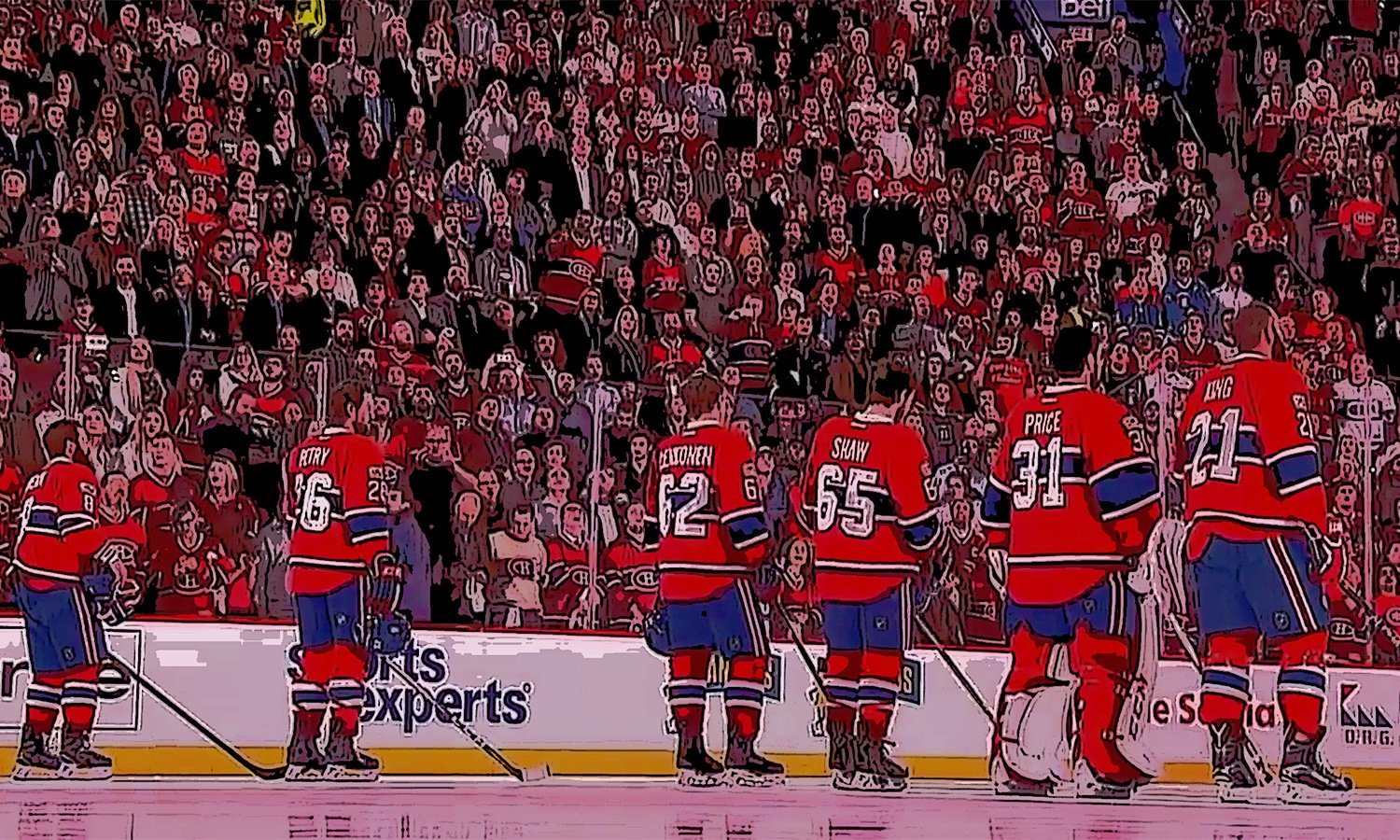
A standard professional hockey game lasts for 60 minutes of playing time, divided into three 20-minute periods, though with intermissions and potential overtime, the total time can vary.
Ever wondered how long a hockey game takes? It’s a common question, especially if you are new to the sport or planning your evening around a match. Understanding the duration is key to enjoying the experience.
So, let’s explore what factors determine the length of a hockey game. Many people ask, “how long do hockey games go for?” The answer isn’t always as simple as just the clock ticking down 60 minutes. There’s more to it than that.

How Long Do Hockey Games Go For?
Ever wondered how long you’ll be cheering for your favorite hockey team? Or maybe you’re planning a night out and need to know the time commitment. Well, you’ve come to the right place! Let’s break down the typical duration of a hockey game and all the factors that can affect how long it actually takes from puck drop to final buzzer.
The Basics: Standard Hockey Game Length
A standard hockey game is divided into three periods. Each period is 20 minutes long. That might sound simple, right? But it’s not just a straight 60 minutes of play. There are breaks in between, just like in school! These breaks, along with other stoppages, make the total game time longer than those three periods.
Period Lengths
As mentioned, each period of a hockey game is scheduled for 20 minutes. This is true for most professional leagues, like the National Hockey League (NHL), as well as for most college and junior hockey leagues. The clock runs while the puck is in play, but it stops whenever there’s a whistle – that’s when play is paused for any reason.
Intermission Breaks
Between each period, there is an intermission. This is a time for the players to rest, strategize, and maybe grab a quick drink or snack. The intermissions are usually 15 to 18 minutes long. So, you have a break after the first 20 minutes, then another after the second 20 minutes before the final third period begins.
Factors That Affect Game Duration
Okay, so we have 60 minutes of playing time and two intermissions. But a lot more can influence the total time of a game. Let’s look at some of the key reasons games often last longer than you expect.
Penalties
When a player does something against the rules, they get a penalty. These penalties are usually for 2 minutes or 5 minutes. During a penalty, the penalized team has to play with fewer players, giving the other team an advantage. These penalties cause stoppages in play, adding to the overall game time. Referees call these penalties when they see a foul, like tripping, hooking, or high-sticking. When a penalty occurs, the clock stops, and it doesn’t start again until the penalty time has been served and play resumes.
Here’s a breakdown of common penalties and their time duration:
- Minor Penalties: These are often for 2 minutes.
- Major Penalties: These are typically for 5 minutes.
- Misconduct Penalties: These are for 10 minutes, but the penalized player can be replaced by another player.
- Penalty Shots: While not a penalty in itself, a penalty shot stops the clock and adds to game time.
Television Timeouts
Especially in professional leagues, games have scheduled timeouts for television commercials. These breaks are set up and are not related to the play happening on the ice, and they add minutes to the overall game time. These TV timeouts usually occur at specific points, like after the first whistle following the 6:00, 10:00, and 14:00 minutes marks of each period. You might notice these stoppages more frequently during televised games.
Injuries
Unfortunately, injuries happen in hockey, which is a very physical game. When a player is hurt, play stops while they receive medical attention. These stoppages can sometimes take a good amount of time, especially if the injury is serious. They can require a stretcher to bring someone off the ice or just time to help a player get their bearings. These breaks are definitely necessary to ensure player safety, and this can result in the game being longer.
Goal Celebrations
You’d think that scoring a goal would be something that only takes a second, but it’s not like that in hockey. After a goal, the players celebrate. The amount of time for celebration varies, but during this time, the game clock is stopped while the goal is confirmed. The ref needs to check if the puck fully crossed the line or there was no violation before the goal and this process also takes some time. The bigger the goal, like in playoffs, the bigger the celebration and the time added to game clock.
Video Review
With advancements in technology, goals and other close plays can be reviewed via video. If a goal is close, the ref might check the replay and see if the goal should be counted. This review process stops the clock and adds more time to the total game duration. The use of video review aims to make sure that calls are accurate and adds a few extra minutes to the game. For example, sometimes it is hard for the referee to see if the puck was kicked by the player or if there was an offside before the goal.
Icing
Icing is a specific play rule that can lead to stoppages in play. It occurs when a player shoots the puck from behind their own defensive zone all the way to behind the opponent’s goal line without it being touched by another player on the way. When icing happens, play stops, and the puck is brought back to the opposite end for a face-off. This rule can sometimes cause multiple short interruptions during a game.
Overtime
If the score is tied at the end of the three periods, the game goes into overtime. In regular season play, the overtime is usually a 5-minute sudden-death period, meaning that the first team to score wins. But the overtime in the playoffs and championships can be longer. In playoffs, teams play an additional 20-minute overtime period until a goal is scored. Overtime can greatly add to the total time of the game and can make the game much more unpredictable and thrilling.
Time Between Face-Offs
A face-off happens when play restarts. It’s when the referee drops the puck between two players. These face-offs happen many times during a game, at center ice, in the defensive zone, and at other locations. Time is spent lining players up for the face-off and this also adds time to the game duration. While a single face-off only adds a few seconds, they add up over the course of a game.
Typical Total Game Time
So, how long does a hockey game actually take? While the scheduled playing time is 60 minutes, the total time can vary quite a bit due to the factors listed above. A typical professional hockey game, including all the breaks, can last around 2.5 to 3 hours. That’s a good amount of time! Of course, some games might be quicker, and some might go a little longer, especially if there are many penalties or overtime.
Let’s break this down into a typical timeline:
- Game Play: 60 minutes (three 20-minute periods)
- Intermissions: Approximately 30-36 minutes (two 15-18 minute breaks)
- Other Stoppages: 30-60 minutes (penalties, TV timeouts, injuries, goal reviews, etc.)
This sums up to be an average total time of between 2 hours and 15 minutes to around 3 hours. However, a longer overtime period can greatly increase that time. Some high-scoring games with penalties and reviews can go well beyond 3 hours.
How Game Length Varies Across Different Leagues
The general rules of the game and the period length remain the same across different leagues, but there are subtle differences in how long a hockey game takes. Here’s a look at different leagues:
National Hockey League (NHL)
The NHL is the top professional league in North America. Games typically last about 2.5 to 3 hours, including all stoppages and intermissions. The NHL also has the most TV timeouts and replays, which can sometimes make games longer.
American Hockey League (AHL)
The AHL is a developmental league for the NHL. Game lengths are pretty much the same as the NHL, around 2.5 to 3 hours, with similar periods, intermissions, and time-outs.
College Hockey
College hockey games also follow a similar format to the NHL, with three 20-minute periods and 15-18 minute intermissions. Total game times usually fall within the 2.5 to 3-hour range.
Junior Hockey
Junior leagues, such as the Canadian Hockey League (CHL), have similar game structures to professional leagues and colleges. Game lengths often range from 2.5 to 3 hours, with variations due to penalties and other stoppages.
Youth Hockey
Youth hockey games can be shorter than professional games. The length of periods can vary based on the age group of the players. Usually younger teams play shorter periods, such as 10 to 15 minutes. The intermissions are also often shorter, and the overall game time might be around 1.5 to 2 hours. This helps ensure that younger players do not get tired.
International Hockey
International hockey, such as at the Olympics, generally follows the NHL structure with three 20-minute periods. Game duration is pretty similar to NHL games, usually between 2.5 to 3 hours.
Understanding the Game Clock
It’s important to understand that the game clock does not always reflect the amount of real time that has passed. There are two main types of clocks used in hockey: the game clock and the penalty clock.
The Game Clock
The game clock is the main clock that shows how much time is left in each period. It stops whenever there’s a whistle and starts when the puck is dropped for the faceoff. The game clock only runs when the puck is in play, allowing for stoppages for any event happening during the play.
The Penalty Clock
The penalty clock is a separate clock that tracks the length of penalties. When a penalty is called, the penalty clock starts counting down. The player is sent to the penalty box for the amount of time of the penalty. When the penalty time is finished, they can return to play. The game clock and the penalty clock often run at the same time, but the game clock stops on all the play stoppages.
In conclusion, while the scheduled playing time for a hockey game is 60 minutes, numerous factors such as penalties, intermissions, TV timeouts, injuries, and overtime can affect the actual game duration. A typical professional game will last around 2.5 to 3 hours, but variations exist across different levels and leagues. Understanding these elements allows you to better enjoy the game experience and plan your time. Now you know what to expect next time you settle in to watch your favorite team.
Hockey Explained (Rosters, Positions, Officials, Stadiums, Ice & More!) [2020]
Final Thoughts
In conclusion, a standard NHL hockey game consists of three 20-minute periods. However, stoppages for penalties and other reasons mean the clock doesn’t always reflect actual playing time. This results in the game lasting significantly longer.
Therefore, when asking ‘how long do hockey games go for,’ plan for around 2.5 to 3 hours. Overtime and shootouts can further extend the game’s duration beyond this average time frame.

