
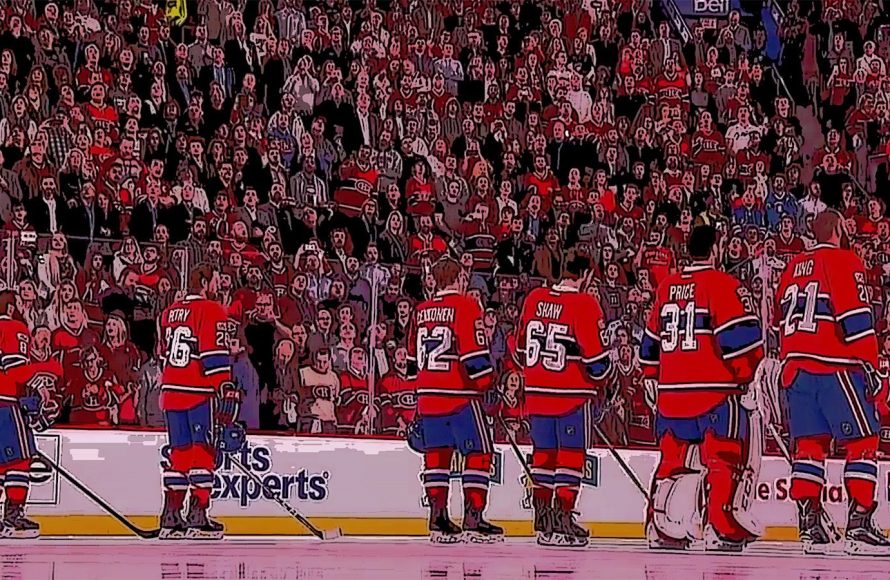
A typical professional hockey game, including intermissions, lasts around 2.5 to 3 hours.
Ever wondered about the commitment involved in watching a live hockey game? It’s a common question: how long do hockey games take? You might be planning a night out or just curious about the time commitment.
The game itself has three 20-minute periods, but that’s not the whole story. Intermissions and potential overtime play extend the total time. Therefore, plan for a couple hours.

How Long Do Hockey Games Take?
Ever wondered how much time you need to set aside to watch a hockey game? It’s a great question, and the answer isn’t always as simple as a quick hour or two. Hockey game length can vary, and there are several factors that influence the total time it takes from puck drop to the final buzzer. Let’s dive into all the details and explore what makes up the duration of a hockey game. Whether you’re a seasoned fan or new to the sport, knowing what to expect time-wise can help you plan your viewing experience. We will break it down to its core components to give you a good grasp of hockey game timing.
The Standard Game Length
At the heart of every hockey game is a set of timed periods. In professional leagues like the NHL (National Hockey League) and in most college and junior leagues, a standard hockey game has three 20-minute periods. These periods are actual playing time, which means that the game clock only runs when the puck is in play. When the whistle blows to stop play for a penalty, icing, or a stoppage in play the game clock also stops. This doesn’t include stoppages or intermissions, which we will talk about later.
So, if you did a quick math, you might say that hockey is a 60 minute game, 3 periods multiplied by 20 minutes per period. And that is a core concept to remember and to use as a base number. But the game time is never really just 60 minutes. The clock is constantly going on and off, because of the nature of the game. So, in the end, there is always more game time. Here is a table to easily visualise that.
| Component | Time |
|---|---|
| Number of periods | 3 |
| Length of each period | 20 minutes |
| Total time in game play | 60 minutes |
It is important to understand that the 60-minutes is purely an estimation for the time in which the players are actively playing. As we will discuss below, there are more elements that influence the total duration of a game.
Intermissions: The Breaks Between Periods
Between each period, there are intermissions. These breaks give the players a chance to rest, coaches to plan, and fans to stretch their legs. In the NHL, and most other professional leagues, the intermissions last 17 minutes long. In other leagues, like college hockey, they could be between 15 to 17 minutes long. So that means, there are two intermissions in a single game, one after the first period and one after the second. If we calculate the time lost in intermissions, we arrive at a 34-minute break in the game. This, combined with the 60-minute game time, takes a hockey game to a minimum of 94 minutes in total game time.
Game Stoppages and Clock Management
Here is one thing to know, the clock is not always running in a hockey game. There are stoppages in play all the time, for a number of different reasons, and they can add considerable time to the overall length of a game. These stoppages are actually the main reason why a hockey game can stretch out beyond that 94 minutes. It is one of the main factors to consider when estimating the total game time. We will discuss some of the more common reasons.
Penalties
When a player commits a penalty, the play stops. The player goes to the penalty box for a set amount of time (usually 2 or 5 minutes, and sometimes for 10 minutes or more). While the penalized team is short-handed, the game clock is still stopped. This can add a few minutes to the game. The severity of the penalty and the length of the stoppage will affect the game’s length. Moreover, some stoppages are shorter than others. For instance, a minor penalty can be as short as two minutes. But, a major penalty can mean the game is stopped for more time because of review or a fight. This results in more time added to the total duration.
Icing
Icing is a rule where a player shoots the puck from behind their own center red line and it travels all the way to the other team’s goal line without being touched by another player. It results in a stoppage of play, a faceoff in the offending team’s defensive zone, and the game clock is paused for this play. Icing is very common in hockey, because it is a safe and natural way to stop the attacking side. So, when it happens, every time you stop the play, more time is added to the total duration of the game.
Offsides
A player is offside when they enter the offensive zone before the puck does. When this happens, the play stops, and a faceoff occurs in the neutral zone. The faceoff is reset, the play stops again, and time is lost again. The more offsides, the more stoppages, and the more game time added on top.
Puck Out of Play
Sometimes, the puck will leave the playing surface, either into the crowd, or over the glass or something like that. The play is stopped, the clock is stopped, and a face-off is done. The time lost here, while short, adds up over the duration of the game and increases the total time.
Injuries
When a player gets injured, the game clock is paused. The medical team needs time to tend to the player. If it’s a serious injury, the stoppage can be quite lengthy. Sometimes, they may even carry the player out on a stretcher and that can take time to do. An injury timeout is one of the biggest contributors of time in a game.
Video Reviews
With the technology in place, the referees can call on video review for goals or penalties. When they do, the game is on pause, while the referees make their review, and decide on the final decision. The time it takes to do a review can vary, and they can take a couple of minutes each time they call one. The more reviews, the longer the game.
Timeouts
Each team is allowed one timeout per game, which gives them a minute to regroup or discuss tactics. Timeouts do add extra time to the game, but they are usually short.
Overtime and Shootouts
Sometimes, a regular game ends in a tie. Depending on the league or tournament, this can lead to overtime. In the NHL, regular-season overtime is a 5-minute period of 3-on-3 play followed by a shootout. Playoffs, however, have 20-minute 5-on-5 overtime periods until a goal is scored. Overtime can be a very exciting time for any hockey game and can add a lot of time to the overall game length. In the case of playoff hockey games, they can lead to a very long game. Playoff overtimes are known to go for multiple periods. They can, in fact, double the length of a regular game.
- Regular Season NHL Overtime: 5 minutes of 3-on-3 followed by a shootout if needed.
- NHL Playoff Overtime: 20-minute periods of 5-on-5 until a goal is scored.
Shootouts involve individual players from each team taking shots on the opposing goalie. Shootouts don’t add much time to the game, but they add an additional layer of excitement. The combination of overtime, shootouts, and all the stoppages can increase the game length by a lot.
Variations in Game Length Across Leagues
While the standard for professional leagues like the NHL is three 20-minute periods, other leagues have different rules for game length. It’s not uncommon to see differences in period length and intermission durations across different levels. It is useful to know some of the differences.
College Hockey
College hockey also uses 20-minute periods, like the NHL. But, one key difference is, that sometimes the intermissions are a bit shorter, and are usually 15 to 17 minutes, as opposed to 17 minutes of the NHL.
Junior Hockey
Junior hockey leagues, like the OHL (Ontario Hockey League), WHL (Western Hockey League), and QMJHL (Quebec Major Junior Hockey League), usually follow the same three 20-minute period format as professional leagues. However, the rules can vary. Sometimes, they have a shorter intermission. Also, rules regarding overtimes can be slightly different. The game may also have stoppages differences, due to the nature of different leagues.
Youth Hockey
Youth hockey has a large range of game times. It is common in younger age groups to see shorter periods. For instance, the periods can be 12 or 15 minutes long. This helps to accommodate the less experience of players, and also, the need to rotate players more often. The intermissions are usually shorter as well. So, a youth game will have the shortest duration overall among different leagues.
Average Total Time for a Hockey Game
Considering all the factors, including intermissions, game stoppages, and the potential for overtime, the total length of a hockey game can vary considerably. However, we can give you some approximate time estimates. Based on all the elements above, the real average game time of professional hockey game in leagues like NHL, is usually around 2 hours and 30 minutes to 3 hours. This time estimate is for a game that ends in the regular time or overtime, without too much excessive stoppages.
Here is a simplified summary of time considerations:
- Minimum time: 94 minutes (60 minutes of game time and 34 minutes of intermission)
- Average game time: 2 hours and 30 minutes to 3 hours (including stoppages)
- Longest games: Can exceed 3 hours (due to multiple overtimes, or stoppages).
While it is very difficult to say exactly how long a game will take, you can at least have a good idea of an expected time, based on the elements described above. For example, if you are attending a game with children, or if you are catching a game on TV, it will help you to prepare for how long you have to be available. This is what we have discussed in this article.
So, next time someone asks you “how long do hockey games take?”, you can give them a detailed explanation. You can also show off your hockey knowledge!
How long is a hockey game?
Final Thoughts
Standard hockey games, including intermissions, typically run around 2.5 to 3 hours. Overtime periods or penalties can extend this timeframe. Knowing this helps when planning your evening.
Factors like the level of play and number of stoppages also impact game length. These aspects can create variances in total game duration. This also includes any potential delays due to injuries.
So, to recap, when considering how long do hockey games take, plan for roughly 2.5 to 3 hours, keeping in mind that extra play or stoppages can lengthen it slightly. This helps manage time effectively.

