
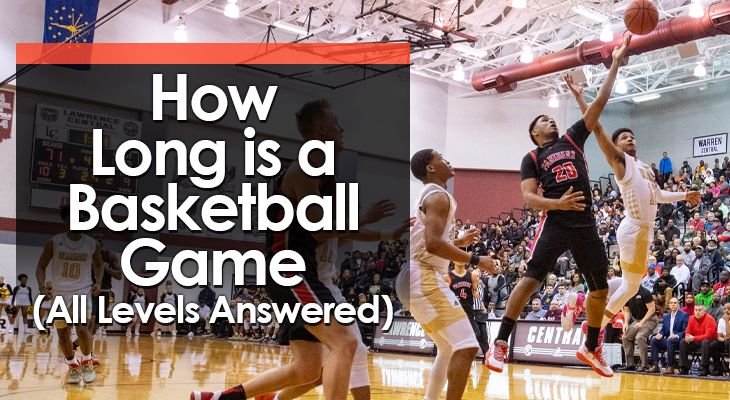
High school basketball games typically last for 32 minutes of playing time, divided into four 8-minute quarters.
Ever wondered how long do hs basketball games last? It’s a question many new fans and even parents often ask. The game clock and the action, plus timeouts and intermissions, make for a specific duration.
The total time, including breaks, can vary, but a standard game usually takes about an hour to an hour and a half. This includes quarter breaks and halftime.

How Long Do HS Basketball Games Last?
Ever wondered how long you’ll be cheering from the bleachers at a high school basketball game? It’s a common question, and the answer isn’t as simple as a single number. Let’s dive into the details of game length in high school basketball.
The Basics: Four Quarters of Action
The core of a high school basketball game is made up of four equal periods, usually called quarters. Think of it like four mini-games combined into one big showdown. The length of each quarter impacts the overall game time, and this is a key factor in understanding how long a high school basketball game lasts.
Standard Quarter Length
In most high school basketball games across the United States, each quarter is 8 minutes long. That means without any breaks, a game would last 32 minutes. It’s important to note that different rules and regulations might apply in other countries or in very specific tournaments or leagues. But, for the vast majority of high school games you’ll see, it’s 8 minutes per quarter. This standard duration helps ensure fair play and sufficient time for all teams to showcase their skills.
- Each Quarter: 8 Minutes
- Total Game Time (Clock Running): 32 Minutes
Beyond the Clock: Timeouts and Halftime
While the game clock only runs for 32 minutes during play, the actual time spent at a high school basketball game is much longer. That’s because of timeouts and halftime, which add significant time to the overall experience.
Timeouts: Strategic Pauses
Teams use timeouts to strategize, catch their breath, and make adjustments. Each team gets a limited number of timeouts per game, and they can choose when to use them. The length of a timeout can vary, but they usually last about a minute or so. These breaks can really extend the game time, especially towards the end when teams are trying to make a final push. The strategic use of timeouts is an important part of coaching in high school basketball, and they definitely play a role in determining the overall duration of the game.
- Timeouts: Approximately 1 minute each (can vary)
- Number of Timeouts: Varies depending on league/association rules
Halftime: A Longer Break
Halftime is the big break in the middle of the game. It usually lasts between 10 and 15 minutes. This time gives players a chance to rest, coaches to talk to their team, and fans to grab snacks or stretch their legs. Halftime contributes significantly to the total time you’ll be at the game, so you need to consider this longer break when thinking about the length of a high school basketball game.
- Halftime: 10-15 Minutes (typical range)
Clock Stoppages: When Time Stands Still
Another thing that extends game time is clock stoppages. The game clock doesn’t run continuously like a normal clock on your wall. It stops when certain things happen in the game, which adds extra minutes to the total length. Let’s see some of the most common reasons for clock stoppages:
Fouls: When the Whistle Blows
When a foul is called, the game clock stops. This gives the referees time to assess the situation, award free throws, and make sure everything is fair. Free throws themselves can sometimes take a little time, especially when multiple free throws are being shot. All these little pauses can significantly increase the duration of a game. The more fouls there are, the more stoppages there will be, resulting in a longer overall game.
- Clock Stops: When a foul is called.
- Free throws: Add to total game time.
Out-of-Bounds: Restarting Play
Whenever the ball goes out of bounds, the clock stops momentarily. This pause allows time to give the ball back into play. While these clock stoppages are typically shorter than those for fouls, they still contribute to the overall time a game takes. Out-of-bounds plays happen fairly frequently, so their effect on the game time adds up quickly.
- Clock Stops: When the ball goes out of bounds.
Jump Balls: Contested Possessions
When a jump ball is called, the game clock also stops. Jump balls happen when two players gain possession of the ball at the same time. These instances are short, but just like other stoppages, they add to the overall length of the game. Jump balls occur less frequently than fouls and out-of-bounds plays, but contribute to the overall length nonetheless.
- Clock Stops: When a jump ball is called.
Injuries: Ensuring Player Safety
If a player gets injured, the clock stops to allow medical staff to assess the situation and attend to the player. Player safety is always a priority, and these pauses allow time for care and consideration when someone needs it. Depending on the severity of the injury, these stoppages could be quite significant.
- Clock Stops: When a player is injured.
Other Special Situations: When the Unusual Happens
There are other situations that can cause the clock to stop. These include things like official’s time-outs for reviewing plays, problems with the equipment, or any other unusual occurrence. While these aren’t as common as fouls or out-of-bounds situations, they do contribute to the overall length of the game when they happen. It is important to consider all such possibilities.
- Clock Stops: In various special situations.
The Real Game Time: Estimating the Total Duration
So, with all those factors in mind, how long does a high school basketball game really take? It’s not just the 32 minutes of game clock time. Here’s a reasonable estimate:
A typical high school basketball game, including all breaks and clock stoppages, usually lasts between 1 hour 30 minutes and 2 hours. Some games may even run a little longer, especially if there are a lot of fouls, injuries, or close scores that lead to more timeouts in the final minutes.
- Average total game time: 1 hour 30 minutes to 2 hours
- Factors increasing game time: High foul count, many close calls, numerous timeouts, injuries.
Factors that Can Affect Game Length
Several factors can cause a high school basketball game to run longer or shorter than average. Here’s a closer look at these influences:
Game Pace: Fast Breaks vs. Slow and Steady
The style of play can have a significant impact on game length. If both teams like to run a fast-paced game with lots of shots, possessions tend to be shorter, leading to potentially fewer stoppages in the game and less overall clock time between plays. In contrast, a more deliberate game with many set plays can often result in a slower pace and can potentially cause game to last longer. This is because of more time involved with teams setting up their play, but this also may not necessarily increase the overall stoppage duration.
Foul Frequency: More Fouls, More Time
A high number of fouls will definitely make a game longer. Each foul stops the clock, and the resulting free throws add more time to the game clock. Games with very physical play tend to have more fouls and, therefore, last longer than games with less physical play. If you see many whistles and trips to the foul line, you can expect the game to go beyond its typical duration. The more fouls there are, the longer the game will be.
Close Games: The Tension of the Final Minutes
Close games in the final minutes almost always take longer. Both coaches usually call more timeouts in an effort to gain a strategic advantage. The clock is frequently stopped while close free throws are shot and officials review plays. These stoppages can extend the last few minutes of a game significantly, adding to the overall time. This is why many people consider the last two minutes of a close basketball game to last an eternity!
Overtime: When the Game Goes the Distance
If the score is tied at the end of regulation (the fourth quarter), the game goes into overtime. Overtime is like an extra period to settle the score. In most high school basketball games, overtime is usually four minutes long. And if the score is still tied after the first overtime period, a second overtime period will be played. This can continue, making the game much longer. Any game going into overtime will significantly increase the length of the basketball game.
Tournament Games vs. Regular Season Games: A Difference in Stakes
Tournament games often have more stoppages for strategic timeouts and longer halftime breaks. This happens because tournament games are usually more important, so coaches are more likely to be cautious with their tactics and use all of their time-outs. In a regular-season game, a team might not need to use as many timeouts or take as much care over certain situations, but in tournament play the stakes are higher which will usually lengthen game time. These breaks can make tournament games slightly longer compared to regular season games.
Specific State Association Rules: Variations in Play
Keep in mind that some state associations or league rules can have slight variations. Some leagues may use slightly different quarter lengths, number of time-outs, or overtime rules. These subtle differences can influence the overall length of a game, so it’s useful to be aware of local rules. Check the specific rules for your local high school basketball games to understand any differences that might exist.
Planning Your Visit: Knowing What to Expect
Knowing how long high school basketball games last helps you plan your time effectively. Whether you’re a parent, student, or just a fan, it’s always helpful to have an estimate of how long the game will take. Planning accordingly allows you to be on time and avoid any missed moments. By being prepared for the typical duration, you can enjoy the excitement of high school basketball without feeling rushed or surprised by the length of the event.
In conclusion, while a high school basketball game has four 8-minute quarters, the total time is significantly longer due to timeouts, halftime, fouls, and other stoppages. A typical game lasts between 1 hour 30 minutes and 2 hours, but can go longer with close scores and overtime periods. Understanding these factors lets you estimate the total time you’ll be at the game and allows for better planning.
D-Rose playing his last basketball game in his high school 👏
Final Thoughts
Typically, high school basketball games last around 1 hour and 15 minutes to 1 hour and 30 minutes. This time includes four quarters of play, halftime, and any timeouts called by the teams. The clock stops frequently for fouls, out-of-bounds plays, and other stoppages, impacting the total game length.
Therefore, ‘how long do hs basketball games last’ is not a fixed duration. The actual time depends on the flow of the game and the number of interruptions. You should expect around 75 to 90 minutes for a typical game but it varies.

