
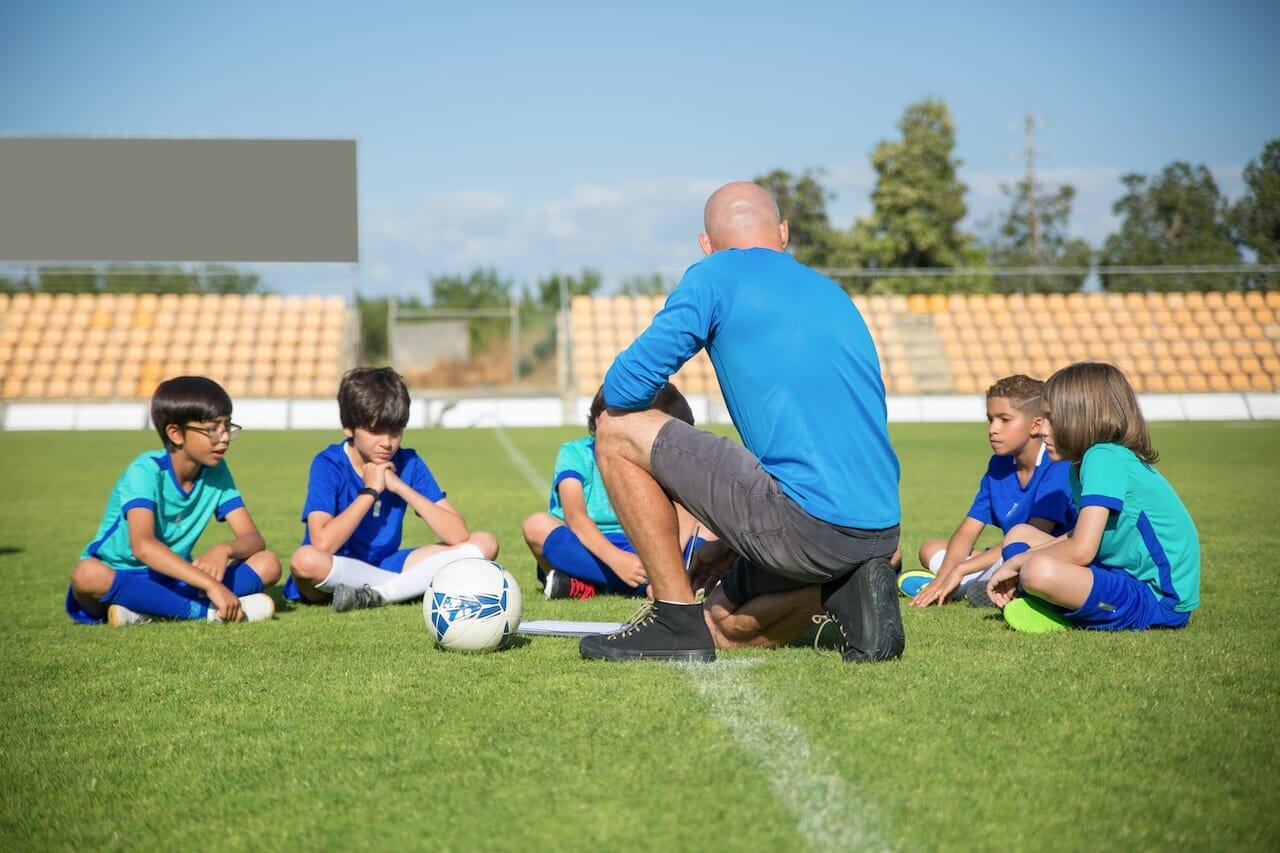
Kids soccer games typically last between 40 and 90 minutes, depending on the age group of the players.
Wondering how long your Saturday morning cheering session will be? Figuring out how long do kids soccer games last can be tricky since it varies based on age divisions. Younger players usually have shorter game times to match their attention spans and energy levels.
As kids get older, the game length increases to build stamina and more advanced gameplay. So, while it is good to expect a range, remember the specific length is decided by the league rules in the given age group.

How Long Do Kids Soccer Games Last?
So, your little soccer star is ready to hit the field! That’s awesome! But you’re probably wondering, “Just how long are these games anyway?” It’s a great question, and the answer isn’t always the same. Game length in kids’ soccer varies depending on several things like age, the league they play in, and even the specific rules of the tournament. Let’s dive into all the details, so you know what to expect on game day!
Understanding the Different Age Groups and Their Game Durations
The biggest factor affecting game length is the age of the players. Younger kids have shorter attention spans and need more breaks. As they get older, their stamina increases, and so do the game times. Here’s a general guide, keeping in mind that rules can differ slightly from league to league:
Under 6 (U6) Soccer
Games for the littlest players are usually the shortest. We’re talking about 4 and 5-year-olds who are just beginning to learn the game. Games are very informal at this stage and more about having fun. Expect shorter halves and potentially lots of substitutions to keep everyone involved.
- Typically, U6 games last between 30 and 40 minutes in total.
- Halves are usually 15-20 minutes each.
- There might be a short break in between (halftime) of about 5-10 minutes.
- The focus is on fun and participation, not strict rules and timing.
Under 8 (U8) Soccer
At the U8 level, the kids have a little more experience, but we’re still keeping it fun and less focused on competition. Games will get a bit longer at this stage, but not too much.
- U8 games generally last between 40 and 50 minutes.
- Each half is typically 20-25 minutes long.
- Halftime usually remains around 5-10 minutes.
Under 10 (U10) Soccer
U10 is where the game becomes a bit more structured. Kids understand the basics of the game pretty well. They have more stamina, so games become a bit longer.
- Expect U10 games to run about 50 to 60 minutes.
- Halves are typically between 25 and 30 minutes each.
- The break between the halves will be around 5-10 minutes.
Under 12 (U12) Soccer
At the U12 level, game times will be close to their older counterparts. The kids are becoming faster, more strategic, and their stamina is improved. The games get more serious here too.
- Games for U12 teams last around 60 to 70 minutes.
- The halves will be around 30 to 35 minutes.
- Halftime is generally 5-10 minutes long.
Under 14 (U14) and older Soccer
Once kids reach U14 and beyond, game lengths start to resemble adult soccer. The playing field may increase, and the playing time also increases at this stage. They play the game with more seriousness and competition as they grow older.
- Games at this level typically last 70 to 90 minutes.
- Halves are generally 35 to 45 minutes each.
- Halftime is around 10 to 15 minutes.
Factors That Can Affect Game Length
While age is the biggest factor, some other factors can influence how long a soccer game lasts for your child:
League Rules
Different leagues can have their own specific rules about game length. Some leagues might have fixed game times, while others could shorten games due to weather conditions or to make sure there is enough time to play all games on the schedule. It’s always good to check with your child’s coach or the league administrator for the exact game duration.
Tournament Play
Tournaments can have different game lengths, especially when trying to fit a number of games into a weekend. Depending on the age and type of tournament (local, national etc.), game times can be a little shorter than the regular season to allow all teams to complete their matches within the given timeframe. So, always check the rules of the specific tournament.
Weather Conditions
Extreme weather conditions such as heavy rain, thunderstorms, or extreme heat can lead to shortened games for player safety. Referees or tournament organizers may cut games short if weather poses a risk to the players. In some rare cases, games can even be canceled if conditions are severe.
Referee Discretion
Referees can have some say about game length. For example, if there are injuries or other delays during the game, a referee may need to account for that and add some time to the game. Also, if a game gets out of hand or is delayed due to any other issues, a referee may be required to end the game earlier.
Half-time Breaks
Don’t forget to factor in the halftime break. This is usually a short period where the kids can take a rest, have a drink, and get instructions from their coach. Usually, halftime ranges from about 5-15 minutes, depending on the age and league.
Typical Game Day Schedule: What to Expect
Knowing the game length is helpful, but it’s also good to know what the day might look like. Here’s a general idea of how game day typically unfolds:
- Arrival Time: Plan to arrive at the field at least 30 minutes before the scheduled game time. This gives your child time to get warmed up, check in with the coach, and get mentally prepared for the game. Arriving early reduces the stress on you and your child.
- Warm-up: Before the game begins, the team will usually do some warm-up exercises. These are crucial to prevent injuries and get the players ready to run and play.
- Game Time: This is the main event! The game will start as per the schedule, and the game will run for the allotted time according to the league and age guidelines.
- Half Time: After the first half, there will be a break as described before for kids to rest. Coaches will also have the chance to give advice.
- Second Half: After the half-time break, the second half will start, and kids can go back to playing their game.
- Post Game: After the game, there may be time for a quick team talk, and then it’s time to go home.
Why Game Lengths Vary for Kids
It’s interesting to understand why game lengths are different for kids versus adults. The answer involves a combination of physical and mental development. Here’s a quick look at the reasons:
- Attention Spans: Young children have shorter attention spans. Keeping the game short helps keep their engagement, reducing the chance of them getting bored or distracted.
- Physical Stamina: Younger children have less physical endurance. Shorter games mean less exhaustion and reduced risk of injuries due to overexertion. They are still developing their muscles and bones, and too much strenuous activity could be harmful.
- Focus on Skill Development: At younger levels, soccer is about learning skills and having fun. Lengthy games aren’t necessary for achieving these goals. It’s more about mastering the basics, such as kicking, dribbling, and passing the ball.
- Gradual Progression: As kids grow, game lengths increase gradually, matching their developing physical and mental capabilities. This helps them develop stamina and endurance as they get older and more capable of playing for longer periods of time.
Tips for Parents
Knowing how long the game lasts is just one piece of the puzzle. As a parent, here are a few tips to make the soccer experience smoother for you and your child:
- Check the Schedule: Double-check the schedule for the exact game time and arrive early. This is a simple step, but very crucial.
- Bring Water and Snacks: Hydration is very important, so make sure your child has water. Light snacks can also be helpful for energy if there are long waiting times.
- Be Supportive: Cheer on your child and their team! A positive environment will improve your child’s experience.
- Be Patient: Sometimes there are delays and schedule changes, so being patient will be helpful.
- Talk to the Coach: If you have any questions about game length or schedule, don’t hesitate to reach out to the coach for information.
Understanding how long kids’ soccer games last can help you prepare for game day and ensure you have a positive experience for your young player. By considering your child’s age and being aware of any special league rules, you’ll be ready to enjoy the game without any unexpected surprises. Remember that it’s about the love of the game and watching your kids enjoy themselves.
Wasatch JS vs L30 Barca – U12 D1 Soccer
Final Thoughts
Kids soccer game durations vary greatly by age group. Younger children, typically under 8, often play for 40-50 minutes. Older kids, from 9 to 12, may have games lasting 60 minutes. High schoolers usually play 80-90 minute matches.
The game length changes as children develop. Remember that extra time may get added. Factors like tournament rules also affect the match time. Knowing ‘how long do kids soccer games last’ helps in planning your schedule.
Ultimately, understanding game duration is key for coaches and parents. Plan accordingly, considering your child’s age level. Always check your specific league rules for exact times.

