
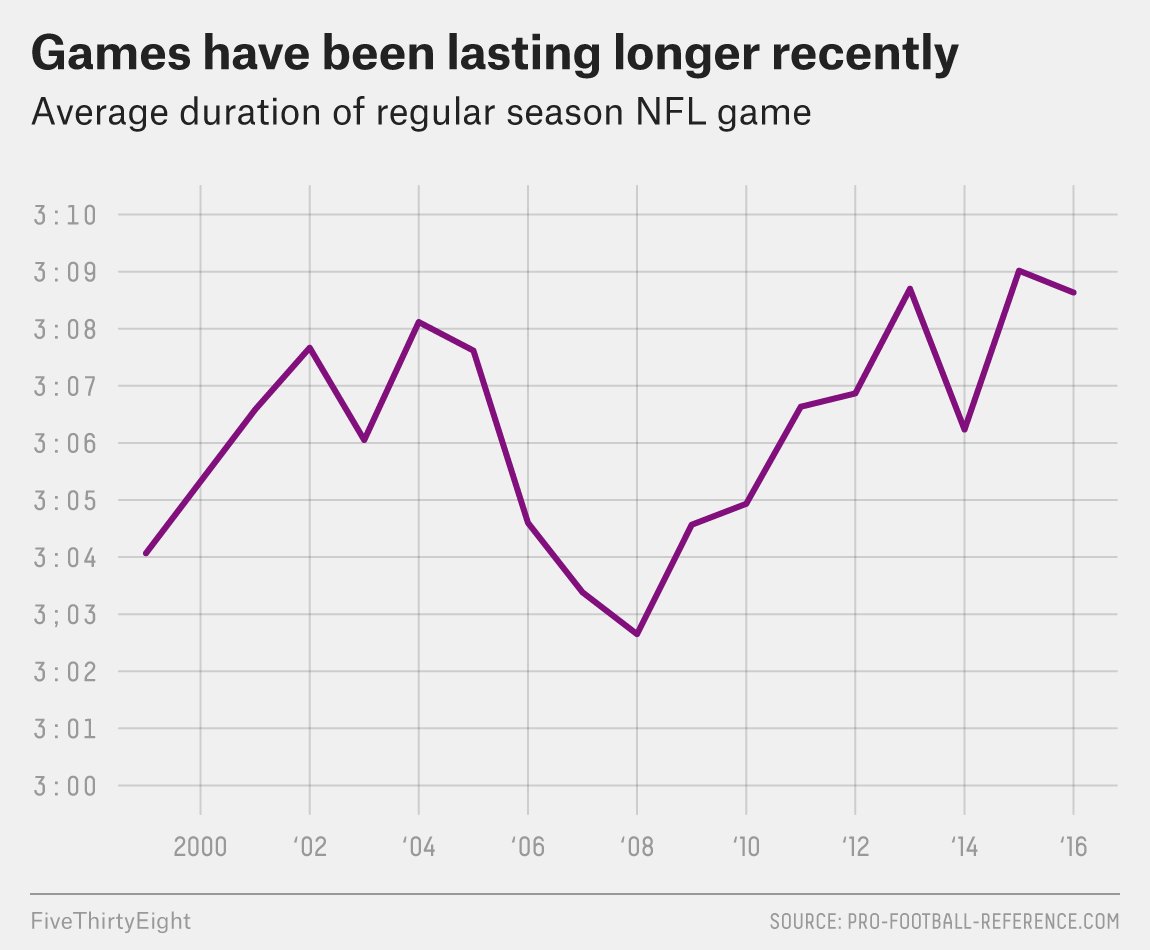
NFL games typically last around three hours.
Ever wonder how long do NFL games usually last? It’s a common question for both new fans and seasoned viewers. You might be planning your Sunday schedule around the games.
The actual game clock only ticks for 60 minutes, divided into four 15-minute quarters. The rest of the time involves timeouts, halftime, and commercial breaks.
This often leads to a total broadcast time of about three hours, which you can use to plan your day.

How Long Do NFL Games Usually Last?
Ever wondered how much time you actually spend watching a National Football League (NFL) game? It’s not as simple as a set number of minutes. While the official game clock ticks down 60 minutes, the real time you’re invested can be much longer. Let’s dive into all the factors that influence how long an NFL game lasts, from the clock itself to all the exciting breaks and pauses along the way. We’ll explore each part of the game, explaining why they take the time they do, and what can sometimes make a game run shorter or longer than usual.
The Official 60 Minutes of Play
The foundation of every NFL game is the 60 minutes of playing time. This is divided into four quarters, each lasting 15 minutes. That’s 15 minutes, not even close to 15 minutes, if we talk about real time, but 15 minutes in game-time. However, the clock stops very frequently throughout the game for a variety of reasons. You might hear announcers say something like “the clock is running” or “the clock is stopped.” Understanding these concepts is key to grasping why games last so much longer than just an hour.
What Makes the Clock Stop?
The game clock doesn’t run continuously like a clock in your kitchen. It stops quite often, for many reasons. Here’s a breakdown of the main things that halt the clock:
- Incomplete Passes: When a quarterback throws a pass and no one catches it, the clock stops until the next play starts.
- Out-of-Bounds Plays: If a player with the ball runs or is pushed outside the playing field, the clock stops.
- Touchdowns: After a touchdown is scored, the clock stops so the teams can prepare for the next play, either a point after touchdown attempt or a two-point conversion.
- Change of Possession: When a team loses possession of the ball either by punt or interception, the clock stops until the next play begins.
- Penalties: If there is a foul during the play, the clock stops while the officials make their decision and enforce the penalty.
- Injuries: If a player gets injured during the play the game clock stops. This allows medical personnel to attend to the player and for a substitution.
- Quarter Breaks: At the end of each of the four 15 minute quarter the game clock stops.
- Timeouts: Each team gets a limited number of timeouts during the game. When a team uses a timeout, the clock stops.
- Two-Minute Warning: At the two-minute mark of the second and fourth quarters, the game clock stops for a short break, providing teams an opportunity to strategize.
These stoppages add considerable time to the game beyond the 60 minutes of playing time. Think of it like stopping and starting a car constantly, rather than a continuous drive.
The Halftime Break
After the second quarter, there’s a longer break, also known as halftime. Halftime is scheduled for about 12-15 minutes in the regular season and 20 minutes in the playoffs. This extended pause allows players to rest, coaches to make adjustments to game plan, and for fans to grab some snacks or take a bathroom break. Often, there’s entertainment at halftime. However, this can vary from a marching band to a major musical performance, but it’s not part of the game clock and adds to the total game time.
Real Time vs. Game Time
The difference between “game time” (the official 60 minutes) and “real time” (the actual time it takes from start to finish) is significant in the NFL. You might be sitting on your couch for three hours or more but, the game clock ticks for just 60 minutes. This contrast between the time on the clock and the actual time the game takes is a crucial part of how we experience the game.
Factors Influencing Game Length
Many things can make a game faster or slower, beyond the typical stoppages. Here are a few that you might notice while watching an NFL game:
Number of Penalties
A high number of penalties can definitely increase the length of the game. Each penalty stops the clock, and the officials need to discuss the situation, decide on the call, and implement any yardage implications. This can add minutes to the total game duration. When officials throw flags quite often, it definitely makes a longer game.
Close Games
Games that are closely contested, especially those that are tied or within one score late in the fourth quarter, tend to take longer. Teams use more timeouts strategically, and play selection becomes more deliberate. The final minutes of close games often stretch out a lot, because teams make very calculated moves.
Overtime
Sometimes, after four quarters, a game is still tied. In the NFL, they play an overtime period of 10 minutes in regular season or 15 in playoffs. This adds more time to the game, and the first team to score a touchdown wins. If it’s not a touchdown, there is more gameplay. Overtime can significantly lengthen how long you spend watching a game, and some overtime games can turn into real nail-biters.
Commercial Breaks
Television broadcasts of NFL games include many commercial breaks. These pauses are outside of the game’s official clock, but they contribute greatly to the overall time you spend watching. Commercial breaks are a big part of broadcasting sports, but these pauses add time to how long the game feels.
Injuries
Injuries can also add to game length. If a player needs medical attention, the clock stops, and sometimes they need a cart to remove them. This can add many minutes to the game duration. The safety of the players always comes first, which can add to the game’s time.
Challenge Plays
Coaches have the ability to challenge certain calls. If a coach throws a challenge flag on the play to challenge, the play has to be reviewed by the referee and this also adds time to game. This adds to the length of the game.
Average Game Length: What to Expect
So, with all these different factors in play, how long does an NFL game usually last? The average NFL game, from kickoff to the final whistle, is about three hours, but this can vary. Some games, those with lots of penalties, injuries, or close finishes, can last longer, while some with few interruptions can finish a bit earlier. While you can expect to spend at least three hours watching an NFL game, it’s very important to be ready that the game might go longer.
Typical Time Breakdown:
Let’s get a more granular view of a typical NFL game’s time breakdown:
- Pre-game: Around 30 minutes before kickoff, the television broadcast begins. This includes player warm-ups, previews, and analysis.
- First Quarter: 15 minutes of game time, which typically takes 30-40 minutes in real time.
- Second Quarter: 15 minutes of game time, which usually takes around 30-40 minutes in real time.
- Halftime: 12-20 minutes, depending on the game type.
- Third Quarter: 15 minutes of game time, which usually takes 30-40 minutes in real time.
- Fourth Quarter: 15 minutes of game time, which usually takes around 30-45 minutes in real time.
- Overtime: If necessary, an extra 10-15 minutes of game time, which can take 15-25 minutes in real time.
- Post-game: About 15-30 minutes of wrap-up, interviews, and analysis.
Keep in mind that this is a general idea. Sometimes a game will feel like it is moving really fast, while other times it may seem like it takes forever.
Why Does It Matter?
Knowing how long an NFL game usually lasts helps you better plan your day. If you’re going to watch a game, you’ll want to make sure you have enough time set aside so you aren’t missing the end. If you’re planning an event or scheduling around a game, knowing the approximate duration is also valuable. Understanding the typical length, and what can make a game longer, gives you a better picture of how much time an NFL game can take.
So, the next time you settle in to watch a football game, remember that while the official clock is 60 minutes, the actual game time is something that can fluctuate based on many factors. Understanding how all of these things interact, you’ll be able to accurately estimate how much time you should set aside. You can also impress your friends by explaining what makes the game clock stop!
A Beginner's Guide to American Football | NFL UK
Final Thoughts
NFL games generally last around three hours. This includes time for gameplay, timeouts, and halftime. However, game length can fluctuate slightly.
Factors like injuries, penalties, and scoring drives impact the total duration. Television commercial breaks also contribute to the overall time. So, when you ask ‘how long do nfl games usually last’, plan for approximately three hours.

