
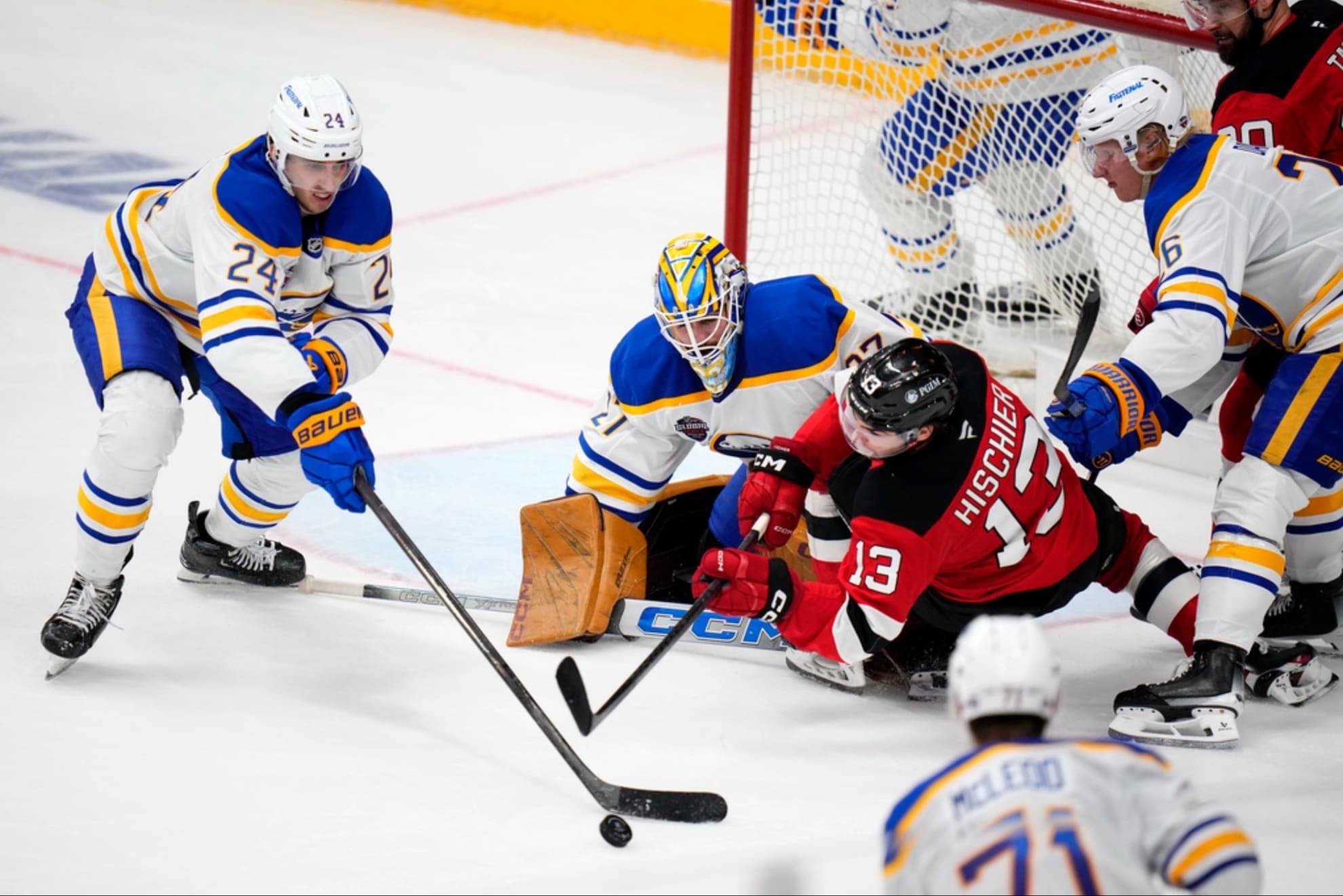
The average NHL game typically lasts around 2.5 to 3 hours, including intermissions.
Ever wondered how long do NHL games usually last? It’s a common question for both new fans and seasoned hockey enthusiasts alike. The clock management in hockey can sometimes feel like it moves at a different pace than other sports.
The game’s structure includes three 20-minute periods with intermissions that pad out the total duration. These breaks allow the players some respite and fans a chance to grab refreshments. Factoring in stoppages and reviews can easily add to the overall time.

How Long Do NHL Games Usually Last?
Ever wondered how long you’ll be glued to your seat (or the edge of your couch) watching a hockey game? Well, you’ve come to the right place! We’re going to dive deep into the world of NHL game length and explore all the factors that can affect how long the final buzzer will take to sound. It’s not just a simple 60 minutes, that’s for sure! Understanding the different parts of the game and how they fit together will help you become a true hockey expert.
The Basic Breakdown: Three Periods and Beyond
At its core, a standard NHL game is divided into three main periods. Each period is 20 minutes long, making the total “in-game” time 60 minutes. Think of it like three mini-games within one big game. So, if no other time was added, a game would theoretically be an hour long. But, real life is a little more complex than that! The clock stops frequently. In fact, that’s one of the major reasons why an actual hockey game lasts longer than just 60 minutes. Let’s explore these stops.
- The Three 20-Minute Periods: This is the foundation of an NHL game. Think of each period as a fresh start.
- Intermissions: Between each period, there’s an intermission. These breaks allow the players to rest, regroup, and coaches to strategize. Typically, these intermissions are about 17 minutes long.
Why Games Take Longer Than 60 Minutes
You’re probably thinking, “Okay, three 20-minute periods and two 17-minute intermissions, that’s still just about an hour and a half! Why does it feel like some games last forever?” Well, there are many reasons the clock stops during play, which contribute to the overall game time. These stoppages add significant time to the game. These include, but aren’t limited to:
Puck Stoppages
The puck can go out of play for a number of reasons. Maybe it got shot into the crowd, flew over the glass, or got frozen against the boards by a player. Each time the puck goes out of bounds, the clock stops. Referees need to blow the whistle to stop the play and reset the situation. A face-off then restarts the play.
Penalties
Hockey is a physical sport, and sometimes players break the rules. When a player commits a penalty, they go to the penalty box for a set amount of time. The clock stops as the referee decides the penalty and signals the change. The game clock pauses until the penalized player sits in the box, and the play resumes.
- Minor Penalties: Usually two minutes.
- Major Penalties: Usually five minutes.
- Misconduct Penalties: Ten minutes or Game Misconduct that can lead to expulsions for the rest of the game.
Goals
Whenever a team scores a goal, the clock stops to allow for a brief celebration and the official recording of the goal. While it’s usually not a long pause, it contributes to the time. Plus, if it’s a reviewable goal, even more time gets added.
Injuries
Hockey is a fast-paced and physical sport. Sometimes, players get hurt. If a player is injured, the referee stops the game to allow medical personnel to assist them. This can sometimes take some time, especially if the injury is severe.
TV Timeouts
Just like many other sports, the NHL also uses TV timeouts. These planned stops in play allow TV networks to show commercials. These TV timeouts, while usually short, contribute to the overall game time, and it happens multiple times in each period.
Icing
Icing is another rule of play that stops the clock. If a player shoots the puck from behind their own side of the center red line, down to the opponent’s goal line, without it touching another player, then the play is called icing. This also stops the clock and results in a face-off in the zone where the icing occured.
Offsides
When a player crosses the offensive zone line before the puck does, it’s called offsides. The clock will stop and a face-off will occur in the neutral zone. This does not always lead to a stoppage as it can be a delayed offsides, but it does pause the flow of play.
The Impact of Overtime
What happens if the score is tied at the end of the third period? Then we head to overtime! This is where things get even more exciting. Overtime rules can make the game go a bit longer, depending on the situation.
- Regular Season Overtime: In regular season games, there is a 5-minute, 3-on-3 sudden-death overtime period. If no team scores, the game goes to a shootout.
- Playoffs Overtime: In the playoffs, it’s a different story. Overtime periods are 20 minutes long, and they continue until someone scores. These overtimes are always 5-on-5 format, and can go on for multiple periods. These are known as sudden-death overtime periods.
Overtime, particularly in the playoffs, can drastically increase the length of a game. It’s not uncommon for a playoff game to have multiple overtime periods, sometimes going into a second or even third extra period! Imagine that!
Factors That Can Influence Game Length
As we’ve seen, many different factors come into play when determining how long an NHL game will last. Let’s explore some of the main elements that contribute to game length:
- Number of Penalties: More penalties mean more stoppages and more time added to the game.
- Number of Goals: Each goal stops the clock, so games with many goals tend to run longer.
- Number of Injuries: Injuries can cause significant delays, depending on their severity.
- The Frequency of TV Timeouts: These are usually consistent, but they still contribute to the total time.
- Overtime: As discussed, overtime can add significant time, especially in the playoffs.
- Video Reviews: Challenges and review of a play for a penalty or goal can sometimes be lengthy.
The Average NHL Game Length
So, putting it all together, what’s the average time for an NHL game? While it can vary, a typical NHL game usually lasts around 2 hours and 30 minutes to 3 hours. This includes the pre-game introductions, the three periods, the two intermissions, and any potential extra stoppages. Games with a lot of penalties, injuries, or overtime can easily exceed the 3 hour mark. Of course, shorter games can also happen, but these usually happen when there are fewer penalties, or less scoring, which causes fewer stoppages in general.
How to Gauge When a Game Might Run Long
Want to get a sense of whether a game might be going long? Here are a few things to pay attention to:
- Lots of Penalties in the first period: If there are a lot of penalties in the first period, this could be an indicator of a long game. More players could be in the penalty box due to undisciplined play.
- Frequent Stoppages: Lots of stoppages in the first period can also suggest a longer game ahead.
- Close Scoring: If both teams are neck and neck on the scoreboard, that can mean a nail-biting finish, and maybe even overtime!
- Physical Play: If the game is very physical with lots of players falling on the ice, that can mean some players are playing aggressively, and might lead to more penalties or potential injuries.
The Most Common Game Lengths
While 2.5 to 3 hours is a good average, lets look at the variations. Most games fall within certain common time frames.
- Standard Game: The majority of games will fall within that 2 hour and 30-minute to 3-hour range. That is the most normal length of the game.
- Long Game: Some games go beyond 3 hours, usually because of overtime. Playoff games are more likely to hit the 3-hour mark or beyond due to increased intensity.
- Short Game: Some games can be around 2 hours and 15 minutes, or less, especially if they are low-scoring with minimal penalties, and no overtime.
How Game Length Impacts the Fan Experience
The length of an NHL game can greatly affect the viewing experience. A shorter game can allow fans to enjoy an evening and still get to bed at a reasonable time. Longer games can bring extra excitement, especially if there is overtime. It can also make scheduling time with family and friends a bit difficult if they go into overtime. No matter what, most fans love watching their favorite NHL teams, whether they’re playing a normal game, or going into double or triple overtime! But it’s always good to be aware of the time to plan out your evening.
Understanding the average length of a game, and what impacts that length is part of the fan experience. As a hockey fan, you’ll start to be able to predict when a game will run long. It’s good to be informed, and be aware of what is occurring to make an estimate of how long the game will be.
So, there you have it! An NHL game is more than just the 60 minutes of play. Various factors influence the total duration, making each game a unique experience. Now, you’re equipped with the knowledge to better understand (and maybe even predict!) how long your next NHL game might last!
How Do Crews Prepare Ice For NHL Games?
Final Thoughts
NHL games typically last around 2.5 to 3 hours. This includes the three 20-minute periods of play. Intermissions between periods add to the total time.
Overtime and shootouts can extend game duration beyond the average. These extra periods occur when a game is tied after regulation. Therefore, how long do NHL games usually last can vary.
Ultimately, plan for around three hours to enjoy a full hockey game. Understand that unexpected events might cause a slight change in that time.

