
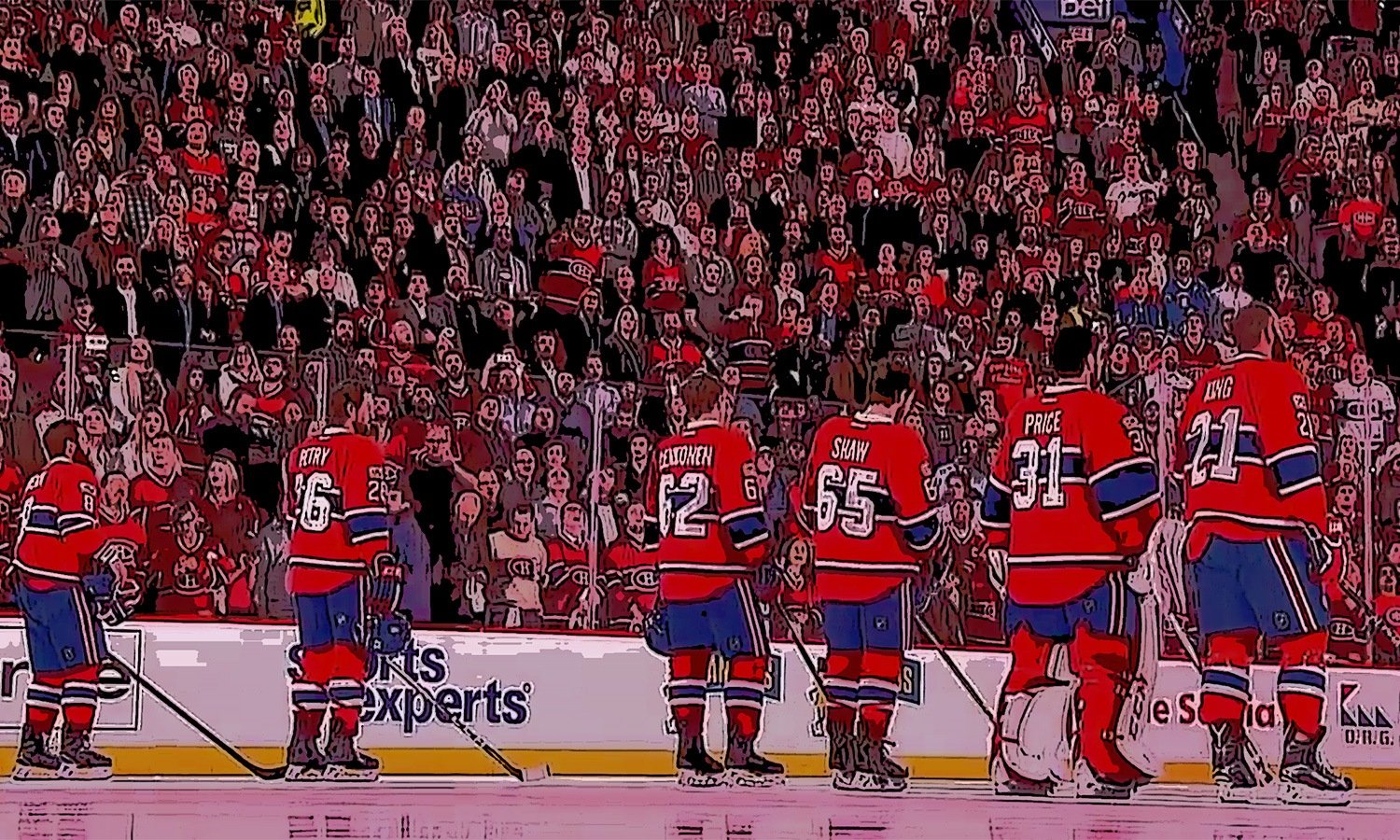
NHL hockey games typically last around 2.5 to 3 hours, including intermissions.
Ever wondered about the commitment required to watch a full hockey game? It’s a common question for new fans: how long do NHL hockey games last? The clock ticks down, the action moves fast, and it’s all a part of the experience.
Understanding the total time commitment can help you plan your evening. You might be surprised by how quickly those hours fly by, thanks to the fast-paced nature of the sport.
Knowing the length of the game allows you to make arrangements for your viewing experience, whether at the arena or from your couch. It’s time to get ready for some exciting hockey!

How Long Do NHL Hockey Games Last?
Ever wondered exactly how much time you’ll be spending on the edge of your seat watching your favorite NHL team? It’s a common question for both new fans and seasoned hockey enthusiasts: how long do NHL hockey games actually last? It’s not as simple as a set number of minutes. The game clock might show a certain amount, but real-time can often be a bit different. Let’s dive into the details and break down what really makes up the total time of an NHL game.
The Basics: Regulation Time
The first thing to know is that a standard NHL game consists of three 20-minute periods. This is called regulation time. So, if you were to just look at the game clock, you might think an NHL game should be 60 minutes (20 minutes x 3 periods). However, that’s not the whole picture. The clock stops quite often during play, and those stoppages make a significant difference in the total time it takes to finish a game.
Why the Clock Stops: Game Stoppages
The game clock doesn’t run continuously like a clock counting down the hours. It’s designed to stop for various reasons, and these stoppages contribute significantly to the overall length of a game. Here are some of the main reasons why the clock stops during an NHL game:
- Goals: When a goal is scored, the clock stops so the goal can be reviewed and celebrated.
- Penalties: When a player commits a penalty, the clock stops, and the play is paused.
- Puck out of Play: When the puck goes out of bounds, whether it flies into the crowd or leaves the rink area, the clock stops to allow for a face-off.
- Icing: When a player shoots the puck from behind his own side of the center red line down to the other side of the goal line without touching anything, that’s icing, and the clock stops.
- Offsides: When a player crosses into the attacking zone before the puck does, it’s offsides and causes a play stoppage.
- Injuries: If a player gets hurt on the ice, the clock stops so they can get medical attention.
- Timeouts: Each team gets one 30-second timeout per game, and the clock stops during these.
- Television Timeouts: Sometimes, games include pre-scheduled television commercial breaks, stopping game action.
All of these stoppages add to the overall duration of the game, making the actual time spent watching a game far longer than the 60 minutes on the game clock.
Intermissions: Time Between Periods
In addition to stoppages during play, there are intermissions. These are brief breaks between periods, and they also add to the total game time. Each intermission lasts 17 minutes. That means a total of 34 minutes of intermission time, in addition to the playing time and stoppages during a game. These breaks give players a chance to rest, coaches time to strategize, and fans time to grab refreshments.
Overtime: What Happens When the Game Is Tied
Sometimes, a game ends in a tie after three periods. When this occurs, the game goes to overtime. The rules for overtime have changed through the years. In the regular season, NHL overtime is a 5-minute, 3-on-3 sudden-death period. Sudden death means the first team to score wins the game. If no one scores in the overtime, the game goes to a shootout.
The Shootout: Breaking the Tie
If the game is still tied after the 5-minute overtime in the regular season, a shootout happens. In a shootout, each team takes turns having players attempt penalty shots on the other team’s goalie. The team that scores the most goals in the shootout wins. The shootout doesn’t add a lot to the total game time, usually lasting only a few minutes. However, it can add excitement and drama as it determines a winner. A team wins after scoring more shootout goals than the opponent after a set number of rounds, or an immediate victory happens after scoring the go-ahead goal when each team has had the same number of attempts. Keep in mind that in the playoffs, games don’t use the shootout. Play continues in 20-minute 5 on 5 overtime periods until a team scores a goal and wins the game.
Playoffs: Longer Games and No Shootouts
The length of a playoff game can be different than a regular season game. In the playoffs, there’s no shootout. If a game is tied after regulation time, it will go into a 20 minute, sudden-death overtime period. The teams play five-on-five, as in regulation time, and they will continue to play these 20-minute periods until one team scores, no matter how long it takes. This can lead to much longer games, as the team can play multiple overtime periods, some playoff games can last three, four, or five hours in rare cases.
Average Game Length: What to Expect
So, with all the periods, intermissions, and possible overtimes and shootouts, how long do NHL games typically last? On average, an NHL game usually lasts around 2.5 to 3 hours. This includes the time of the three regulation periods, the intermissions, and the time it takes to work through stoppages in play. Some games may be shorter, maybe two hours and fifteen minutes, especially if there are fewer penalties, goals, or other stoppages. On the other hand, a game can go longer if there are many penalties, many scoring chances, or go into overtime. A playoff game can be much longer. When a game goes into multiple overtime periods, the total game time could be anywhere from 3.5 hours to 5 hours or more.
Factors that Affect Game Length
Several factors can cause the game length to vary. Here are some of the main things that can impact how long a game lasts:
- Number of Penalties: More penalties mean more stoppages, leading to a longer game.
- Number of Goals: Goals cause stoppages, and a game with a lot of goals can take longer.
- Number of Stoppages: The more the puck goes out of play, the more the clock stops, extending the game.
- Overtime: If the game goes into overtime, it adds additional time to the game length.
- Playoff Games: Playoff games, due to overtime rules, often end up being longer.
Real-Time vs. Game Clock
It’s helpful to understand the difference between what the game clock displays and the actual amount of time a game takes. The game clock only shows the time in each period, and it stops and starts frequently during play. It also does not show the time elapsed during the intermissions. The actual real time will be longer than the amount of time shown on the game clock, because the game clock does not take these stoppages into consideration. When you hear the total playing time of a game, that means the time the game clock showed in the game, not the actual time spent watching the game. So, if a game went into overtime in the regular season, it would have 65 total minutes of game time, but with stoppages, it would have taken around 2.5-3 hours to play the game.
Keeping Track of Game Time
If you’re watching an NHL game on TV, you will usually see a clock on the screen showing the time elapsed in the current period of play. This clock, however, doesn’t tell you how long the game has actually been going on. To know that you should look at the total time. Many sports websites, news apps, or your TV provider will often show the start time and current time or total time of games. This information allows you to plan your viewing time and avoid missing other events. Some apps or websites will give you live information about the start, stoppage, and intermissions in the game. This is beneficial because the total game time can range anywhere from two to five hours.
Planning Your Night Around an NHL Game
Knowing how long an NHL game usually lasts can help you plan accordingly. If you’re going to a game in person, make sure to factor in travel time to and from the arena. Also be sure to take into account the amount of time you’ll be spending at the game and any pre-game festivities. If you’re watching on TV, you may want to prepare snacks and drinks to ensure you’re comfortable for the duration. It is helpful to know if it’s a regular season game or a playoff game, since playoff games have more of a chance to go into extra overtime periods, which can lead to a much longer game. By knowing an estimate for the game duration, you can have a more enjoyable experience from start to finish.
Understanding how the game clock and real time differ can provide clarity. The game clock measures only the time of play within periods. Real-time, on the other hand, encompasses all aspects including stoppages, intermissions and overtime, and provides a realistic time estimate. This understanding allows you to fully appreciate the pace and flow of the game. So, when you settle in for an NHL game, remember it’s much more than just 60 minutes of hockey, and the variables of stoppages and intermissions contribute greatly to the total time you’ll spend watching your favorite team. This added time is all part of the fun of experiencing the excitement of NHL hockey.
NHL Highlights | Maple Leafs vs. Flyers | January 07, 2025
Final Thoughts
NHL hockey games generally last around 2.5 to 3 hours, including intermissions. However, overtime can extend this duration, leading to variations. Understanding these timeframes helps plan your viewing.
The standard 60 minutes of play is just part of the total time. This includes stoppages and two 17-minute intermissions. Knowing how long do NHL hockey games last allows better scheduling for fans.

