
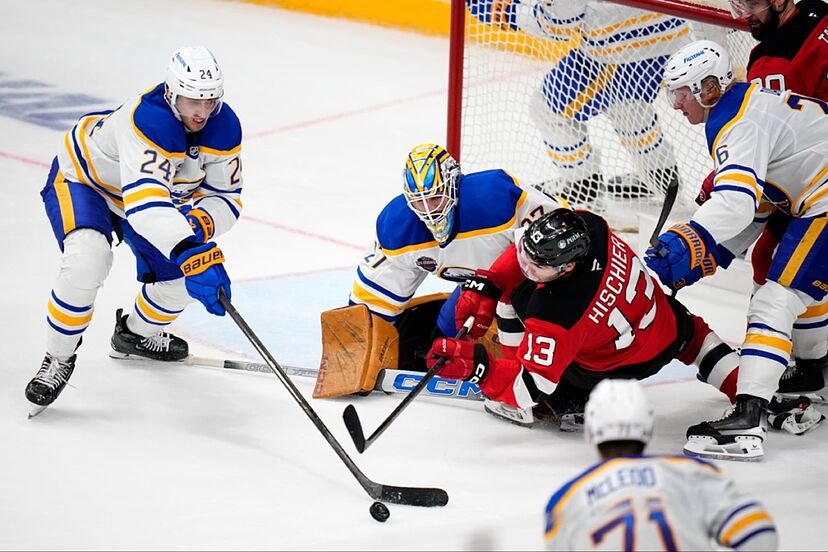
Professional hockey games typically last around 2.5 to 3 hours, including intermissions.
Ever wondered about the clock when watching a thrilling pro hockey match? You’re not alone! Many fans ask the question, how long do pro hockey games last? It’s a good question since the flow of the game can feel so captivating that it’s easy to lose track of time.
Understanding the game’s structure will provide context. The game clock isn’t the only factor, as intermissions and potential overtime periods can add to the total time spent watching.

How Long Do Pro Hockey Games Last?
Okay, so you’re wondering how long you’ll be glued to your seat watching a professional hockey game, right? It’s a fair question, because it’s not always a simple answer. While a typical game has a set time, things can happen that change the final buzzer. Let’s break down exactly what makes up the length of a pro hockey game and what can cause it to go a little longer than expected. We’ll cover everything from the basic periods to exciting overtimes, so you can plan your night (and maybe those bathroom breaks!) accordingly.
The Standard Game Clock
The foundation of every pro hockey game is the regulation time. This is what the game is designed around, and it’s the part that’s consistent. So, what does that look like?
Three 20-Minute Periods
A standard professional hockey game is made up of three periods. Each period is exactly 20 minutes long. This is “stop-time” meaning that the clock stops every time the play is stopped. If a player is called for a penalty, for example, or if a puck goes out of play, the clock pauses. This ensures that each period takes the full 20 minutes of actual playing time. This is different from sports like basketball or soccer where the clock can often keep running even when the ball is not in play.
Think of it like a video game, that’s paused every few seconds when there are penalty or stoppages. This stop-time factor is why a 20-minute period can take much longer than 20 minutes in real time.
Intermissions Between Periods
Between each of the periods, there are intermissions. These breaks are just as important as the periods themselves. These are periods where players have a chance to rest, coaches can give instructions, and you in the audience can go to the bathroom or grab a snack.
- First Intermission: After the first 20-minute period ends, there’s a break. This intermission usually lasts about 15-18 minutes.
- Second Intermission: After the second period ends, there’s another break with a similar length of 15-18 minutes.
Calculating Regulation Time
Let’s do some simple math:
- Three 20-minute periods equal 60 minutes of playing time.
- Add approximately 15-18 minutes for each of the two intermissions, which gives us another 30-36 minutes.
- So, in total, the time spent on the game (including breaks) is usually around 90 – 96 minutes.
However, that’s not the whole story. The clock in a hockey game isn’t always in constant motion; the play is dynamic and it’s important to take all the aspects into consideration.
Factors That Extend Game Length
Beyond the regular clock, there are many reasons why a professional hockey game can run longer than those 90-96 minutes. Let’s look at the main factors.
Penalties and Power Plays
One of the biggest things that can affect game time is penalties. When a player breaks the rules, they are sent to the penalty box for a set amount of time, during which the opposing team has a power play. Here’s how penalties can stretch the time:
- Clock Stoppage: Like other stoppages, when a penalty happens, the game clock will stop.
- Power Play Time: During a power play, the clock usually runs but the extra play, faceoffs, and more may add time.
- Multiple Penalties: If there are many penalties in a game (or even simultaneous penalties), the game will be considerably lengthened.
Television Timeouts
For games that are broadcast on television, there are scheduled TV timeouts during each period. These timeouts are usually two minutes long and allow the broadcasting station to play commercials. In a game with many breaks in action, the addition of TV timeouts is another reason the game may take a bit longer than expected. Here’s the breakdown:
- Scheduled breaks: The broadcast station will determine when these are to happen.
- Extra time: These time breaks add to the length of the game, pushing the completion time further.
Injuries and On-Ice Issues
Sometimes, there are issues on the ice that require the game to pause. When players get injured, they will need medical attention on the ice, or the play must stop to clean up debris such as broken equipment. Some of the following events can disrupt the game’s timing:
- Injury Stoppages: If a player gets hurt, the game is immediately stopped, the player may require medical attention on ice. This can take a few minutes depending on the severity of the injury.
- Equipment Issues: Broken glass on the boards or equipment that has fallen on the ice must be cleared up, which can cause delays.
- Official Reviews: Sometimes a goal or penalty must be checked by referees using instant replay. These reviews can add a few minutes to game time.
Overtime
If a game is tied at the end of the three regulation periods, there is an overtime period. Overtime is like bonus hockey! Here’s how it affects game time:
- Sudden Death: In most pro hockey leagues, overtime is sudden death. This means the first team that scores wins the game.
- Overtime Length: The exact length of overtime can vary between leagues and even the type of game (regular season vs playoffs). The most common is five minutes long, but it can be longer.
- No Tie: This means a winner is always determined at the end of overtime, and in cases that the game is still tied at the end of overtime, we have to go for shootouts, which can make the game longer.
Specific League Variations
While the core rules of hockey remain consistent across leagues, there are slight differences when it comes to game lengths that can affect what you expect.
National Hockey League (NHL)
The NHL is considered the highest level of professional hockey and operates according to the following parameters:
- Regulation: Three 20-minute periods.
- Overtime: A 5-minute overtime period at the end of the regulation with three players each side for sudden death.
- Shootouts: If the game is still tied after the overtime, there is a shootout to determine a winner.
- Typical Game Length: A game in the NHL usually will range from 2 hours 20 minutes to 2 hours 40 minutes long including intermissions and potential overtimes.
American Hockey League (AHL)
The AHL is the primary development league for the NHL, and its rules are very similar but with slight variations:
- Regulation: Three 20-minute periods.
- Overtime: A 7-minute overtime period for sudden death (except for the playoffs).
- Shootouts: If the game is still tied after the overtime period, there is a shootout.
- Typical Game Length: A game usually runs a little longer at around 2 hours 25 minutes to 2 hours 45 minutes long because of the longer overtime period.
Other Professional Leagues
In other leagues around the world, you will find some variation on rules:
- European Leagues: Many European professional leagues also follow three 20-minute periods. Overtime rules may vary, with some leagues using a longer 10-minute overtime or a different style of a shootout.
- Minor Leagues: In some minor leagues, you might find slight variations in the length of periods or the overtime style.
Understanding the Flow of Time
The main thing to remember about professional hockey is that even though the base game clock is 60 minutes, there are many factors that can extend the total game length. Knowing the potential reasons for the breaks, the stoppages, and any time needed for overtimes and shootouts will allow you to plan your time to enjoy the game. Here are some important ideas to remember:
Stop-Time vs. Real-Time
Remember the “stop-time” aspect? This difference is why games run longer than the 60 minutes of the clock. It helps to understand the game in this way, because you will not watch the clock go by the amount of time mentioned as real time.
Game Pace
The speed and intensity of a game can also affect the total length. Games that have lots of penalties, injuries, and stoppages will end up taking longer than games with fewer disruptions. If a game is very fast-paced, with few stoppages it can move along quickly.
Playoff Games
Playoff games often have higher stakes and are more intense. This can sometimes lead to longer games because of more penalties, intense checking, and more overall disruptions. If the game goes into overtime, the length will extend.
What to Expect as a Spectator
So, how should you prepare for a pro hockey game? Here are some things to consider:
Plan for at Least 2.5 to 3 Hours
It’s best to plan for a game to last about 2.5 to 3 hours including travel time. This allows you to account for the possibility of overtime, or longer play.
Be Patient
Don’t be surprised if the game runs longer than expected. It’s part of the excitement. The changes in momentum, the plays, and the constant shift in time are part of the experience. If you are attending the game at the arena, be sure to take advantage of the break periods.
Enjoy the Experience
The changes in time, stoppages, and overtimes are what make the sport exciting. So sit back and enjoy the show! Each hockey game is a completely unique experience.
So, there you have it. A deep dive into how long pro hockey games really last. The game is more than just 60 minutes of playing time and the potential for overtime means each match is a different experience. Now you know what to expect, and you can plan your game nights like a seasoned hockey fan. Understanding the different elements that contribute to the game’s length will allow you to enjoy the excitement and plan your schedule accordingly. So the next time you settle down to watch a game, you’ll be prepared and ready for anything!
The Rules of Ice Hockey – EXPLAINED!
Final Thoughts
Professional hockey games typically last around two and a half to three hours. This includes the three 20-minute periods of play, along with intermissions.
Overtime periods, if needed, can add time to the game length. So, how long do pro hockey games last depends on the specific game scenario.
The clock continuously stops for penalties, goals, and other stoppages. Therefore, the actual game clock time is less than the total time spent at the arena.

