
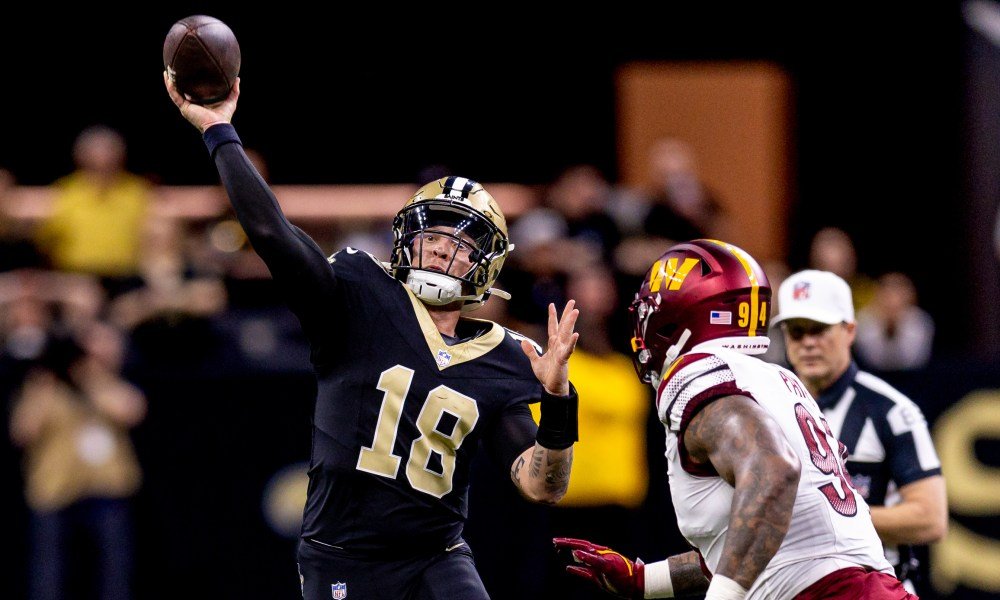
Saints games typically last around three hours, but can vary slightly depending on factors such as overtime and game stoppages.
Ever found yourself wondering, how long do Saints games last? It’s a common question for both die-hard fans and those just tuning in. You plan your day around the game, so knowing the duration becomes essential.
Generally, you can expect a typical Saints game to take about three hours. However, several variables like timeouts, penalties, and halftime can all affect the overall length. Be prepared for a potential longer experience if the game is very close!

How Long Do Saints Games Last?
Okay, so you’re a big fan of the New Orleans Saints, or maybe you’re just getting into football and want to know what to expect. One of the first questions many people have is: “How long are Saints games, really?” It’s a great question, and the answer isn’t always a simple number because several things can affect the clock. Let’s dive deep into what makes up a typical Saints game and why the time can sometimes seem to fly by (or drag on!).
The Basic Time: 60 Minutes of Play
At its heart, a National Football League (NFL) game, including any game the Saints play, has 60 minutes of playing time. Think of it like this: if the clock ran non-stop, the game would be over in an hour. However, football isn’t like that. That 60 minutes is split into four quarters of 15 minutes each. So, you have:
- First Quarter: 15 minutes
- Second Quarter: 15 minutes
- Third Quarter: 15 minutes
- Fourth Quarter: 15 minutes
That seems straightforward, right? But here’s the thing—the clock doesn’t run continuously. There are lots of pauses and breaks that extend the total time of the game. This is why a Saints game won’t actually last just one hour.
Factors That Make the Game Last Longer Than 60 Minutes
Several factors cause the clock to stop and make the games longer than the basic 60 minutes of playing time. These pauses are normal, and they are part of the strategy and excitement of the game. Let’s look at what extends the duration of a typical Saints game:
Timeouts
Both the Saints and their opponents can call timeouts. Each team has three timeouts per half. A timeout allows the team to stop the clock, plan their next play, or rest. These stoppages add a few minutes to the total game time. During timeouts, you’ll see players huddled together, coaches strategizing, and sometimes fun advertisements on the big screens.
Incomplete Passes
Whenever a pass is thrown, and it doesn’t get caught by a player, it’s an incomplete pass. This stops the game clock. The clock also stops after a pass that is caught and the player runs out of bounds. This happens pretty frequently in an NFL game, and it can add up to quite a bit of time. The frequent stoppages of the clock create an ebb and flow to the game, and often provide an opportunity for a change of momentum.
Out-of-Bounds Plays
Just like with incomplete passes, if a player with the ball goes out of bounds, the clock stops. This could be after a run, a reception, or even a fumble. The ref will spot the ball where the player went out, and the clock starts again when the ball is snapped.
Penalties
When a player breaks the rules, the referee will throw a flag, and the clock stops. Penalties can range from being offsides to holding, and the refs have to make the call, move the chains, and sometimes the penalty will result in the loss or gain of yards. This can take a few minutes to sort out, especially if the penalty is complicated. Reviewing the penalties can also use up some extra time.
Change of Possession
When one team gets possession of the ball after the other team had it, this is a change of possession. The clock stops while this happens. For instance, this includes after a punt or after an interception. The clock stops, and it begins again when the new team gets ready to start their offense. The time it takes to get the game back going varies depending on the situation.
Injuries
Unfortunately, injuries sometimes happen in football. If a player gets hurt, the clock stops while they get medical attention. This is very important for player safety, and this pause can take up a bit of time as the player is cared for, and often taken to the sideline for further evaluation. The game can not resume until the injured player has been attended to.
The Two-Minute Warning
At the end of each half, there is a two-minute warning. This means the clock is stopped with exactly two minutes left in the second and fourth quarters. It gives both teams one last chance to get a drive going. The two-minute warning sets up a lot of last minute strategies.
Halftime
Between the second and third quarters, there’s halftime. This is a break in the game where players can rest, coaches can make adjustments, and the fans can grab food, use the restroom, or check out the performances. Halftime usually lasts around 12 to 15 minutes in the NFL. Halftime often features marching bands and other entertainment.
Average Length of a Saints Game
Considering all the factors that add time to the 60 minutes of play, a typical Saints game usually lasts about 3 hours. It could be a little shorter, or a little longer, but 3 hours is a good estimate. It is important to remember that some games can take longer if they are high scoring games, or if they have a lot of penalties, injuries, and close scores that result in more stoppages.
Factors that Cause Games to Be Shorter
While most of the time games go past the 60-minute mark, there are some cases where they finish faster than the average of three hours:
- Fewer Stoppages: Sometimes a game will have very few incomplete passes, penalties, or injuries, which allows the clock to keep running. If a team scores a lot, there are less incomplete passes because teams run more on the ground.
- Blowout Games: When a team is winning by a lot, the opposing team might not use all their timeouts, and the winning team might start running out the clock to avoid injuries. This can result in the game going by quicker.
Factors that Cause Games to Be Longer
And sometimes, games run longer than three hours. This usually happens when a game has a lot of close scoring, injuries, or penalties.
- Close Games: When teams are very close in score, both of them will use their timeouts and try to keep the ball. The teams may also throw more passes that result in incompletions that stop the clock. This causes games to take longer.
- Overtime: If the score is tied at the end of the fourth quarter, the game goes into overtime. Overtime adds another period of time to the game, which can be very exciting. Overtime can take quite a bit of time until a winner is decided.
- Lots of Penalties and Replays: When a game has a lot of calls that need to be reviewed or a lot of penalties, the clock stops more frequently. These stoppages increase the overall time of the game.
Why Understanding Game Length Matters
Knowing how long a Saints game might last is helpful when planning your day. If you’re heading to the stadium, you might want to figure in travel time, and some extra time if you are going early for tailgating fun. It also helps when you are planning your home viewing parties. Understanding the game length can prevent you from needing to leave in the middle of a game and can help you plan out your party food to be prepared for the beginning of halftime. Knowing the time can make the entire experience more enjoyable.
A Quick Recap of Saints Game Length
Let’s recap all that we have discussed so far.
- Official game time: 60 minutes, divided into four 15-minute quarters.
- Average game time: approximately 3 hours.
- Factors that add time: timeouts, incomplete passes, out-of-bounds plays, penalties, change of possession, injuries, the two-minute warning, and halftime.
- Factors that can shorten games: fewer stoppages and blowout games.
- Factors that can lengthen games: close scores, overtime, and numerous penalties and reviews.
So, there you have it! While the core playing time of a Saints game is just 60 minutes, many other elements make the game take about three hours on average. Now that you know what to expect, get ready to cheer on the Saints!
Now you have a good idea of how long to expect the Saints game to be. Enjoy the next game, and remember, every minute is full of excitement and maybe even a little suspense!
New Orleans Saints vs. Tampa Bay Buccaneers | 2024 Week 18 Game Highlights
Final Thoughts
Saints games typically last around three hours, like most NFL games. The precise duration can vary slightly due to factors such as clock stoppages and overtime.
Ultimately, understanding that these games average three hours answers the question: how long do saints games last. Keep this time frame in mind when planning your game day schedule.

