
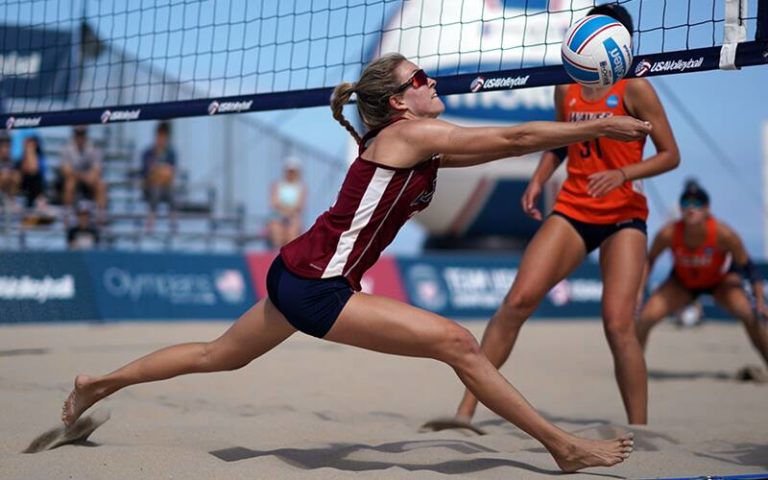
Volleyball games typically last between 60 and 90 minutes, but the actual duration can vary based on the number of sets played and the pace of the game.
Ever wondered how long do volleyball games last? It’s a common question, especially if you’re new to the sport. The duration isn’t always set in stone and depends on a few factors.
Typically, a match will run for an hour to an hour and a half. However, this is just an average, some games can be much shorter or even a little longer. The number of sets needed to win definitely affects the overall time, since more sets mean more play.

How Long Do Volleyball Games Last?
Okay, let’s dive deep into the exciting world of volleyball and figure out just how long these matches usually take. It’s not as simple as a set time limit like in some other sports. Volleyball game length can change based on a few key things. We’ll break it all down so you’ll be an expert in no time, understanding how long you might be cheering from the stands or playing on the court. From quick high school games to long, intense professional battles, there’s a wide range of possible durations. So, grab your water bottle and let’s get started!
Understanding the Basics: Sets and Points
Before we get into actual time, it’s important to understand how a volleyball game is structured. It’s all about sets and points. Unlike some sports with a clock, volleyball uses a system of reaching a certain number of points to win a set, and then winning a certain number of sets to win the match.
The Concept of Sets
Think of sets like mini-games within the bigger volleyball match. Most volleyball matches are made up of either three or five sets.
Best of Three Sets: In this format, the first team to win two sets wins the match. This is common in high school and some college matches, as well as many casual games.
Best of Five Sets: Here, a team needs to win three sets to win the whole match. You’ll usually see this in higher-level college volleyball, professional play, and at the Olympics.
Points Needed to Win a Set
So, how do you win a set? It’s not just about winning more points; there’s a magic number involved:
First Four Sets: To win any of the first four sets (in a best-of-five match), a team needs to reach 25 points, and also they must win by at least 2 points. For example, if the score reaches 24-24, then the set continues until one team leads by two points (like 26-24, 27-25, etc.).
Fifth Set (If Necessary): In a best-of-five match, the fifth set is often called the “deciding set,” and is only played if the teams are tied after the first four sets. In this final set, the target score is 15 points, again with the need to win by at least 2 points. So, if it’s 14-14, the game continues until the two-point margin is achieved.
Factors Influencing the Length of Volleyball Games
Now that we know about sets and points, let’s explore what factors impact the time that a volleyball game takes to complete. These factors can cause a game to be faster or slower. Here are some of the most important ones:
Skill Level of the Teams
This is a big one! Teams with similar skill levels tend to have longer matches because they trade points back and forth consistently. When two highly skilled teams battle, you often see very close sets with lots of volleys, rallies, and back-and-forth scoring, which can definitely add to the overall game length.
On the other hand, when there’s a big difference in skill, matches tend to be shorter. A more dominant team could win quickly in straight sets, because there are fewer long volleys and less trading of points.
Number of Sets Played
The most obvious factor is how many sets are actually played. A best-of-three match will almost always take less time than a best-of-five match. If a match ends quickly in straight sets (a team wins the first two or three sets), it’s a shorter game. If teams are evenly matched and battle it out in more sets, the game naturally goes longer. For example, a 3-0 sweep would be shorter than a match that goes to 3-2.
Timeouts
Teams are given a few timeouts during a volleyball match. These breaks can be helpful for strategizing or simply for giving players a breather, but they do increase the time of the game. The number of timeouts, and how long each is taken, can have an impact.
Number of Timeouts: The number of timeouts allowed can vary slightly between leagues and levels, but usually teams have between two and four timeouts per set.
Timeout Duration: Each timeout lasts for a short time, usually 30 to 60 seconds. While it might not sound like a lot, several timeouts in a match will add time overall.
Challenges
In higher-level volleyball, particularly in professional and collegiate games, coaches have the ability to challenge calls by the referees. These are called “challenges” and are usually reviewed using video technology, This process can sometimes take a few minutes per challenge and can cause the game to be longer if it happens often.
Flow of the Game
The general flow of the game, with its ups and downs, can greatly influence its duration.
Number of Rallies: A longer match will have longer, more intense rallies with lots of back-and-forth action. The more rallies there are, the more time it will take to get to the required point counts for set wins.
Errors: The number of errors a team makes (like hitting the ball out of bounds or into the net) can influence the length of the game as well. Fewer errors mean longer rallies and a possible longer set and match.
Fast-Paced Play: If teams play with a faster and more attacking style, each point may be quicker, but you still might end up with more points being played and potentially a longer match.
Level of Play
The level of competition can also affect game duration.
High School: High school games usually have a shorter timeframe, typically ranging from 45 minutes to 1.5 hours, depending on the factors we’ve discussed, since most are best of three.
College: College volleyball matches can last from 1.5 to 2.5 hours, or sometimes longer. The standard is best of five sets, and the talent level is higher and more competitive, which can extend match time.
Professional: Professional games can take anywhere from 2 hours to over 3 hours and might even exceed that mark if a match goes to a full five sets and features close scoring. The players are very skilled, and they often have long, exciting rallies.
Typical Time Ranges for Volleyball Games
Okay, let’s put it all together and look at some typical ranges for how long volleyball games last. Remember, these are just averages, and any individual match could be shorter or longer.
High School Volleyball
Best of Three Sets: These matches typically run between 45 minutes to 1.5 hours.
Factors for Shorter Games: When there’s a large skill difference between teams, the game can be fast and done quickly.
Factors for Longer Games: When teams are well-matched and there are many rallies or deuces (going beyond 25 points in a set), the game takes longer.
College Volleyball
Best of Five Sets: The standard college match usually lasts from 1.5 to 2.5 hours or longer.
Factors for Shorter Games: Similar to high school, if one team dominates and wins in straight sets, the match will be quicker.
Factors for Longer Games: If the game goes the distance (to five sets), especially with tightly contested scores, it will extend the game duration.
Professional and Olympic Volleyball
Best of Five Sets: Expect these games to range from 2 to 3 hours or longer, particularly if matches go to the fifth set.
Factors for Shorter Games: Even at the pro level, a swift 3-0 victory means a quicker match.
Factors for Longer Games: These matches feature the most prolonged volleys, challenges, and intensity. Close matches that reach the fifth set can take well over 3 hours to complete.
How to Estimate Game Length
While it’s impossible to know exactly how long a game will last, here are some simple ways to estimate:
Check the Match Format: A best-of-three is always going to be shorter than a best-of-five, all things equal.
Consider Skill Levels: If you know the teams well, consider if there is a clear favorite, or if they’re likely to be evenly matched.
Factor in Timeouts and Challenges: Remember that timeouts and challenges will extend the overall length of the match.
Add Some Buffer Time: It is always good to add an extra 15-30 minutes when you’re planning to watch a volleyball match. You never know if the game will go longer than expected.
Watch Some Previous Games: If you have access to information about previous games by the same teams, it could help you give a more accurate estimate of the length of their game.
A Quick Reference Guide: Expected Game Times
To summarize, here’s a quick table to help you understand typical volleyball game lengths:
| Level of Play | Match Format | Typical Game Length |
|---|---|---|
| High School | Best of Three Sets | 45 minutes – 1.5 hours |
| College | Best of Five Sets | 1.5 hours – 2.5 hours+ |
| Professional/Olympic | Best of Five Sets | 2 hours – 3 hours+ |
Volleyball games, while they might have some general guidelines for how they work, don’t always have strict time limits. The game length hinges on many factors, such as the number of sets, the players’ skill, timeouts, and overall match flow. While a high school game might wrap up in an hour, a high-stakes professional match could easily go for three hours or more. Knowing the basics of how sets, points, and other factors affect game time will help you better understand the rhythms of volleyball and make plans for watching or participating in these exciting matches. So, whether you are a spectator or player, prepare for a possible range of times, and enjoy the exciting action of volleyball!
This volleyball save was amazing! 😱🏐 #shorts
Final Thoughts
Generally, volleyball matches conclude in about 60 to 90 minutes. However, specific timings vary significantly. The length depends on factors like the number of sets played and the pace of the game itself.
A crucial factor influencing duration is whether the match is best-of-three or best-of-five. Also, timeouts and brief pauses between points add to the overall duration. Therefore, answering the question of ‘how long do volleyball games last’ isn’t always precise, it’s an estimated range.

