
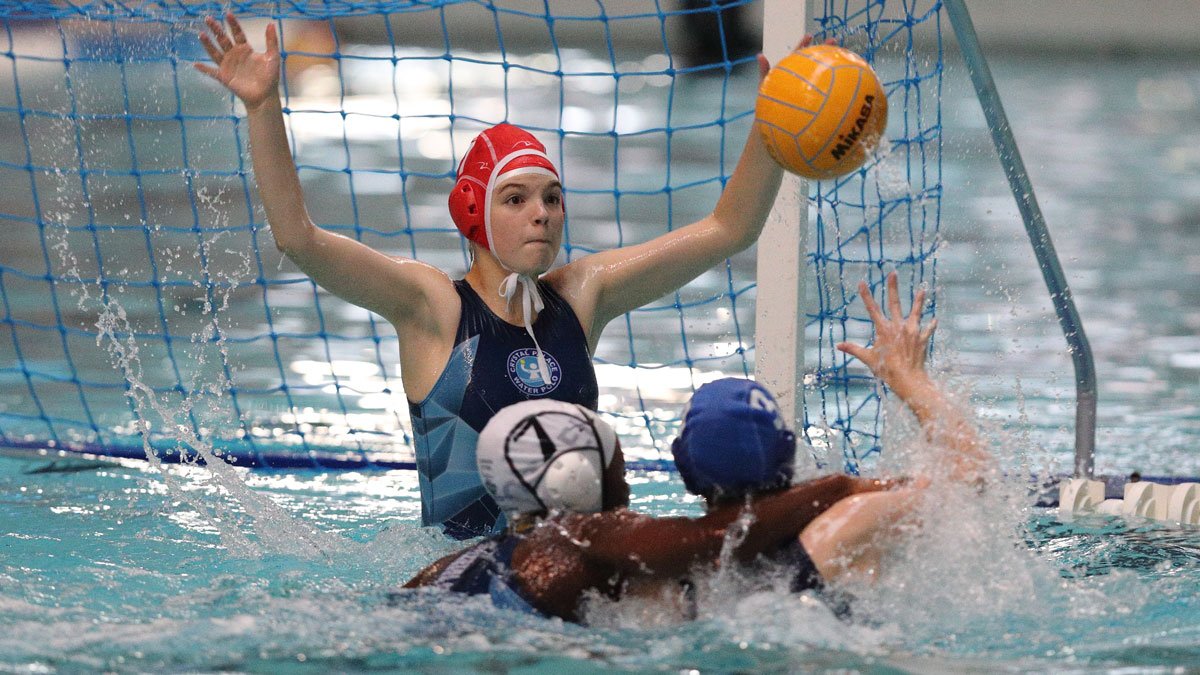
Water polo games typically last for 32 minutes of playing time, divided into four 8-minute quarters.
Ever wondered about the fast-paced action in a water polo match? It’s a thrilling sport, with lots of swimming, passing, and scoring. But how long do water polo games last, exactly? This might be a question you’ve asked before, whether you’re a curious spectator or new to the sport.
The game clock stops frequently, for fouls, timeouts, and goals, adding to the overall time you’ll spend watching. So, while the actual game time is 32 minutes, plan for a longer experience.

How Long Do Water Polo Games Last?
Understanding the Basics of Water Polo Game Length
Water polo games aren’t like a soccer match with a simple 90-minute clock. Instead, they’re divided into quarters, and the total playing time can change based on the level of play. It’s not always straightforward, so let’s dive into the details! The official playing time is just part of what makes up a water polo game’s duration. There are also breaks between quarters, timeouts, and, sometimes, even extra time to consider. All these factors can affect the overall length of a water polo match.
Think of a water polo game as a story with chapters (quarters), and each chapter is timed. It’s not a continuous, flowing clock, like you might see in other sports. There are definite start and stop points that make each game unique. This adds to the strategy of the game, with teams needing to maximize their time on offense and defense. Understanding the timing is crucial for both players and fans who want to fully appreciate the flow of the game.
The Standard Quarter Length
Let’s talk about what’s most common for water polo game length: standard quarter length. For most high school, college, and professional level water polo matches, each quarter is 8 minutes long. That’s 8 minutes of actual playing time where the clock is running. However, the clock stops when the ball is out of play or when there’s a timeout, so each quarter can actually take longer than 8 minutes to complete. This means that the game is not simply 4 x 8 = 32 minutes, but could be 40-60 minutes total in game time. It is important to understand that the game’s clock will be stopped when a goal is scored, during time outs, when a foul is called that requires a free throw, or when the ball goes out of bounds. So even if you just watched the game with your eyes on the clock, the total game time will certainly be more than just the playing time of the match.
Playing Time vs. Total Time
It’s super important to remember that the 8-minute quarter is playing time, not total time. There are many reasons why the clock might stop. For example, when a foul happens, the clock pauses while the free throw is taken. Timeouts, when coaches call a break to talk strategy, also pause the clock. Even when a goal is scored, the game clock pauses. These pauses add up, and it’s common for a single quarter to last 10, 12 or even 15 minutes in real time. So, while the playing time of a full game of four quarters is 32 minutes, the total length of a match from start to finish is typically more than that.
This difference between playing time and total time is a key element of water polo. It means the game can fluctuate in pace, and it gives coaches the chance to make adjustments and talk to their players. For fans, this means that being engaged throughout the entire match is important to understand the tactics of both teams.
Breaks Between Quarters
Just like in other sports, there are breaks between quarters in water polo. These short periods give players a chance to catch their breath and the coaches a chance to strategize. A short break takes place between the 1st and 2nd quarter as well as between the 3rd and 4th quarters. A longer halftime break between the second and third quarter takes place. These breaks between quarters have a significant impact on the overall length of the game.
Short Breaks
The short breaks between the first and second quarter, and then again between the third and fourth quarters, are generally two minutes long. These are quick breaks intended for players to get a quick breather, grab some water and maybe hear one or two coaching points. The clock stops, and teams swap sides of the pool for the next quarter. These pauses are short and sweet but necessary for players to recover before they dive back into action.
Halftime Break
Halftime is longer to provide players with more recovery time. The halftime break, which takes place between the 2nd and 3rd quarters, is typically five minutes long. This longer break gives teams a chance to have some more serious strategy discussions, make bigger adjustments, and allow players to rest. These five minutes make a big difference when the players re-enter the pool for the second half of the game.
Variations in Game Length
While the standard 8-minute quarters are common, there are variations depending on the level of play and the age group involved. For younger players, the quarters are typically shorter to fit their fitness levels and attention spans. This helps introduce young athletes to water polo without overwhelming them and allows them to have fun while developing their skills. Let’s explore these variations in more details:
Youth Water Polo
When we talk about youth water polo, things get a little shorter. Younger players often play with 6-minute quarters or even less. It all depends on the specific league or tournament rules. The goal here is to make the game fun and engaging without wearing the young players out. It’s not about making it easy for the kids, it’s about meeting them where they are at physically and mentally, allowing them to play at their best for the entire game. So, if you’re watching your little brother or sister play, keep in mind that their quarters may be shorter than what you see in higher levels of play.
Senior/Masters Water Polo
Adult recreational leagues might also tweak the quarter times. Sometimes they’ll have 7-minute quarters or even shorter, depending on the needs and fitness levels of the players involved. Sometimes older players may be slower or can’t play at the same intensity, so reducing the time gives the player a chance to enjoy the sport and have fun without overextending themselves. So you may see a wide range of variations in total game length with this age group.
Timeouts and Their Impact
Timeouts are a crucial part of water polo strategy, and they also play a role in the overall length of a game. Each team gets a set number of timeouts per game. A timeout is usually one minute long, but the effect on the total time may be longer than 1 minute. The clock stops during a timeout, adding to the total time. The most common format for timeouts is two timeouts per half for each team. Teams will generally use their timeouts for various reasons, such as to change the momentum of the match, to allow the players to rest, or to go over tactics with the coach.
Strategic Uses of Timeouts
Teams use timeouts to plan their next move. It’s like a mini-huddle to help them figure out how to get ahead. A well-timed timeout can make all the difference in a tight game. When teams call a timeout, the game clock pauses which makes the overall length of the game longer. Timeouts add a layer of strategic depth to the game. The use of timeouts can have a big impact on how the game plays out, so understanding when they are taken can be a big key in enjoying a match and knowing what to expect next.
Overtime: When the Game Isn’t Enough
Sometimes, even with four quarters, games can end in a tie. In those cases, extra time might be needed to find a winner. Overtime formats can vary depending on the rules of a particular league or competition. When a game is tied at the end of the fourth quarter, the game is pushed into overtime. This usually involves two three-minute periods of overtime. If the game is still tied, then a shootout will occur.
Common Overtime Rules
The most common overtime format involves two short periods. These periods are often 3 minutes each. The clock will start again, and both teams have another chance to break the tie. If the game remains tied after these two periods of overtime, then a penalty shootout will take place, which is often referred to as a shoot out. During shootouts, both teams will take five penalty shots to determine a winner. Because each player on the team will take a penalty shot, the shoot out can sometimes be longer than two periods of overtime.
The Actual Duration: A Recap
So, how long do water polo games last? While the standard playing time is 32 minutes (4 quarters of 8 minutes each), the actual duration of a water polo game can vary quite a bit. Here’s a quick look:
- Standard Game: About 45-60 minutes, including quarter breaks and timeouts.
- Youth Games: Can be shorter, often around 40-50 minutes.
- Overtime Games: Can extend beyond 60 minutes, depending on if extra periods are required.
Remember, these are just rough estimates. The actual time can fluctuate based on the game’s flow, number of fouls, timeouts used, and any stoppages. Because water polo is such a free flowing game, it is often difficult to predict the total length of a match, so it is best to be prepared that the match may last 60 minutes or more.
Factors Influencing Game Length
Several factors can affect how long a water polo game takes. It’s not just about the clock; the action itself also plays a big role. Let’s take a look at some of these:
Number of Fouls
Fouls happen often in water polo. Each foul stops the clock, and the more fouls there are, the longer the game becomes. Major fouls, like those requiring a player to be excluded for 20 seconds, take up more clock time than minor fouls. So, a game with a lot of penalties can often last longer than a game with very few fouls. It is very common to see a match with many fouls, because the physicality of the match is often very intense.
Timeouts Called
As we already mentioned, timeouts are an important part of the game. The more timeouts both teams use, the longer the game is going to last. While the timeout is only one minute long, the time that a team spends setting up and coming out of a timeout can add more than one minute to the clock.
Close Games
Close games can go on for longer, especially in overtime. When the game is really close at the end of the fourth quarter, it may lead to a nail-biting overtime period that can sometimes be two extra periods, and sometimes the game will result in a shoot out. Any type of overtime period makes the match much longer than one that is not close and the teams score a lot of goals.
Level of Play
The level of play, whether it is a youth game or a professional match, also affects the duration of the game. Professional matches tend to be more tactical and have more stoppages, whereas youth games are often faster paced. Depending on the level, the quarters might also be shorter or longer, and the game might have fewer or more stoppages overall.
How to Keep Track of Time During a Water Polo Game
If you are watching a water polo game, you might be wondering how to keep track of the time. It’s important to keep in mind both the playing time and the total time of the match, as they are very different. So, let’s explore what you should do.
The Game Clock
First, pay close attention to the game clock on the scoreboard. This clock shows the actual playing time left in each quarter. It’s constantly running and stopping throughout the game so knowing the number of minutes remaining is key to tracking the game. This will be very helpful in determining how much time remains in each quarter.
Total Time
Remember, the clock will stop during timeouts, fouls, and when goals are scored. Therefore, you should keep in mind the actual time the game starts, and note when those stoppages take place. Be aware that the game will be about 15-30 minutes longer than the playing time on the clock, due to these breaks in the game.
The Quarter Number
Knowing what quarter you are in is also important. The quarter will be displayed on the scoreboard. Knowing the quarter number, as well as the playing time, can help give you an idea of how much is left in the match.
By using all the clues from the clock, breaks in the action, and keeping the current quarter in mind, you can easily keep track of the time during a water polo match.
Why Knowing the Length Matters
Knowing how long a water polo game is likely to last matters for several reasons. For players, knowing the game’s duration helps them pace themselves. For fans, knowing the total game time helps them with their schedules and commitments. Here are some reasons why knowing the total time is important:
Pacing for Players
Players need to manage their energy throughout the game. Knowing how long they’ll be in the pool helps them avoid burnout. They can plan how much to exert themselves at different stages. Knowing how long the breaks between each quarter is key to planning when to rest and rehydrate.
Planning for Spectators
Knowing the game length is essential for fans so they know how to plan the rest of their day. If a game is supposed to be 45-60 minutes, they can plan to be there for about an hour, not just the 32 minutes of play time, and go on with the rest of their day. Having an idea of the total time, can help in arranging travel, or scheduling the time to watch the match.
Effective Coaching
Coaches need to know the game’s likely duration to plan their strategies and substitutions. They need to manage their team’s energy and performance throughout the game. This knowledge allows them to make the most of their time and make appropriate adjustments during breaks. Knowing the game length is a vital part of an effective strategy.
In conclusion, while the official playing time of a water polo game is 32 minutes, the total time including breaks and possible overtime can vary. Understanding the standard 8-minute quarters, how pauses affect total time, and the possibility of overtime makes following a game much more enjoyable and less confusing. Keep these factors in mind the next time you watch a water polo match, and you’ll better understand how the game’s pace ebbs and flows.
How to Play Water Polo
Final Thoughts
In summary, the duration of a water polo match varies. Generally, a game consists of four quarters, each lasting eight minutes of playing time. However, stops in play often make the total time significantly longer.
The game clock pauses for fouls, goals, and timeouts. Therefore, a typical water polo match could last anywhere from 45 minutes to over an hour. So, considering these factors answers the question of how long do water polo games last.

