
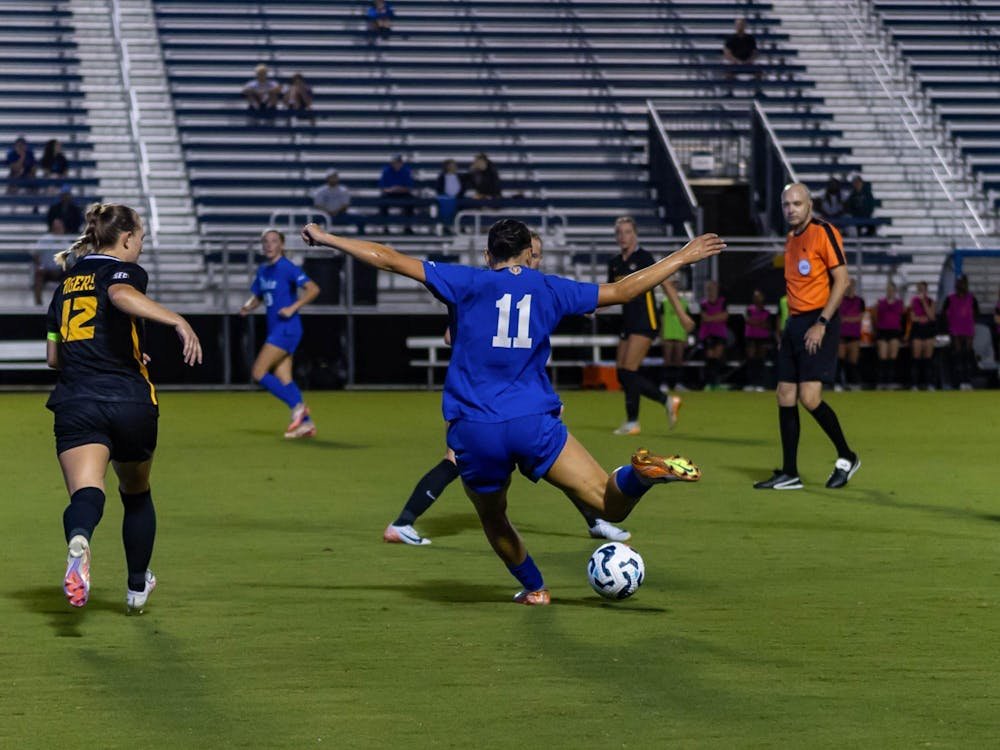
A women’s college soccer game lasts for 90 minutes, divided into two 45-minute halves, with a halftime break typically 15 minutes long.
Ever wondered how long you’ll be cheering from the stands at a women’s college soccer match? The game clock keeps ticking, but the time can sometimes feel longer when your team is in a nail-biting finish. Let’s break down the duration of these exciting competitions and answer the question, how long do womens college soccer games last?

How Long Do Women’s College Soccer Games Last?
So, you’re a big fan of women’s college soccer, or maybe you’re thinking about becoming one! You might be wondering, “Exactly how much time do I need to set aside to watch a game?” That’s a great question! It’s not always as simple as a quick answer, because several factors can play a role. Let’s dive into the details of how long these exciting matches really last. Understanding the game’s timing helps you plan your watch parties, family outings, or even your own practice schedule if you’re aspiring to play at this level.
The Standard Game Length
The basic duration of a women’s college soccer game is regulated by the NCAA (National Collegiate Athletic Association). In a typical match, you’ll see two 45-minute halves, making the regulation playing time a total of 90 minutes. It’s just like the professional games you might watch! This 90-minute playing time is consistent across all divisions of NCAA women’s soccer, from Division I to Division III. This consistency allows athletes, fans and coaches to have a clear understanding and expectation of the basic time structure of every game. The main part of the game is all about these two halves, but that’s not all of the story, so let’s find out more.
Halftime: A Quick Break
Right in the middle of the two halves, there’s a halftime break. This is the rest period for the players to catch their breath, listen to their coaches’ strategies for the second half, and to get some much-needed hydration. It also gives you a chance to grab a snack if you are watching the game from home or in the stadium. This break usually lasts 15 minutes. You can think of it like the intermission during a play, allowing everyone a short pause to prepare for the rest of the action on the field. So now, if you are thinking about how long the whole game takes in total, you should add these 15 minutes into your calculation.
Extra Time: When Games are Tied
What happens when the score is tied at the end of the regular 90 minutes? Well, it depends on the type of game. During the regular season, if the score remains level after those 90 minutes, the game will typically end in a tie. But when it comes to post-season games like conference tournaments or the NCAA tournament, there has to be a clear winner. In those scenarios, a period of extra time is added.
Overtime Rules in NCAA Women’s Soccer
Extra time in NCAA women’s soccer is divided into two periods. These periods are shorter than the regular halves, each lasting only 10 minutes. There’s a short break of a few minutes between these extra time periods, allowing for a quick breather. However, there is no golden goal rule in college soccer, meaning even if one team scores during overtime, the game continues until the end of both 10-minute periods. If the score is still tied after these two periods of extra time, we move to a thrilling part of the game, which involves penalties.
Penalty Kicks: Determining the Victor
If the game is still tied after the two overtime periods, the winner is decided through a penalty shootout. Each team takes turns attempting to score a penalty kick. The team that scores the most penalties is declared the winner. This can be a nail-biting experience for the fans and the players as it puts a great deal of pressure on the players, creating a super exciting finish to a match. These penalty shootouts can extend the game quite a bit, sometimes adding another 15 to 20 minutes to the total game time depending on how many rounds are needed to determine a winner. And this whole process makes the game so fun and interesting to watch for viewers.
Game Delays: Other Time Considerations
The game doesn’t always run perfectly to the scheduled time. Sometimes, unexpected situations cause short delays, which are a natural part of most sports. Here are a few examples of delays you might encounter during a women’s college soccer game:
- Injuries: If a player gets hurt, the game stops so they can receive attention and treatment. The amount of time this takes can vary, depending on the seriousness of the injury, adding extra minutes to the overall game time.
- Substitutions: When a player is taken off the field and another player goes in, there’s a short break in the action as players change positions. These stoppages are very quick but still add to the overall time of the game.
- Referee Stoppages: Referees sometimes stop the game to address fouls, conduct discussions with players or coaches, or ensure that all rules are followed, and that the game play is fair. These breaks can range from seconds to a few minutes, depending on the situation.
- Weather Delays: While rare, games can be delayed or postponed due to severe weather conditions such as thunderstorms, heavy rain, or even too much lightning. These delays can be very short or can extend to hours if the weather is bad enough. The decision regarding how long the delay will be is usually taken by the game’s organizers.
- Video Assistant Referee (VAR): Although, VAR is not as common in college soccer as it is in professional leagues, it can be used in certain major tournaments. If VAR is in use, there can be added time to the game due to reviews of certain situations, resulting in slight delays.
It’s important to remember that these delays are normal, and they contribute to the total time it takes to finish a game. While they are not a part of the normal game time, these moments can add minutes to the total time the game will take.
Total Time Calculation: A Summary
To give you a good sense of how long you’ll need to enjoy a women’s college soccer game, let’s do some simple math. The standard time for any soccer game involves the playing time and halftime.
- Regular game time: 90 minutes (two 45-minute halves)
- Halftime break: 15 minutes
So, a normal game would last at least 105 minutes. But when we add extra time or penalty shootouts, this can vary greatly during elimination games like the conference and NCAA tournaments:
- Normal Game: 90 minutes + 15-minute halftime = 105 minutes
- With Overtime: 105 minutes + 20 minutes (two 10-minute periods) = 125 minutes
- With Penalty Shootout: 125 minutes + approximately 15-20 minutes = 140-145 minutes
So, when planning to watch a game, it’s always safe to budget around 2 to 2.5 hours to be on the safe side and enjoy all the action without worrying about running out of time.
How Game Length Can Vary: Key Factors
While the basic structure of the game time is consistent, remember that total length of the game can fluctuate. Here are a few factors that can influence how long a match takes:
- The Tournament: Games during the regular season may not have overtime; whereas, post-season games will always include overtime and penalty kicks if needed.
- The Pace of the Game: Games with lots of fouls or injuries may have more stoppages, increasing the total time. A game with less disruptions will usually end quicker.
- The Weather: Bad weather conditions can significantly prolong the total time of the game.
- The Referee: Referees can change the pace of the game with how strictly they enforce the rules. Referees who allow for more flow may shorten the game, while those who penalize many things may make the game longer.
Comparing to Other Sports
It can be helpful to compare how long women’s college soccer games last compared to other sports that people might be familiar with. Knowing the time commitment for different sports may help you plan your sports calendar. A comparison will help you see where women’s college soccer fits within that landscape:
Football
A typical college football game lasts for around three to three and a half hours, and that includes breaks like the halftime and timeouts. While the game clock only counts 60 minutes of playing time, all the stoppages, replays, and breaks add a significant amount of time to the total game length. This is quite longer than women’s college soccer games, which are generally around 2 hours.
Basketball
A women’s college basketball game consists of four 10-minute quarters, making the total playing time 40 minutes. With halftime, timeouts, and breaks for fouls, a basketball game usually takes about two hours to complete. That is closer to the time you spend for a college soccer match. The game is usually faster-paced than soccer, which can keep you on the edge of your seat.
Baseball
Unlike soccer or basketball, the game of baseball doesn’t have a set time clock. A typical baseball game has nine innings, and the length of the game depends on how quickly those nine innings are played out. Sometimes, a game can last two hours, while others can extend to 3 or even 4 hours. So the time spent on baseball is very unpredictable compared to soccer.
Volleyball
College volleyball is also not set by the clock. Teams play until one team wins three sets. The game usually lasts between 1.5 and 2.5 hours, depending on how many sets are needed to determine a winner. So, college soccer has a more fixed time period.
As you can see, the time duration of a women’s college soccer game is within the middle range. It’s not as quick as a basketball game, and it’s not as long as a typical football game or baseball game. The good news is that the timeframe is fairly consistent, so it is easy to plan for an entire game.
Why Knowing Game Length Matters
Knowing how long a women’s college soccer game lasts is beneficial to everyone. Here’s a summary of how understanding game time can be beneficial:
- For Fans: You can arrange your schedule, plan viewing parties, and make the most of your time. You won’t have to cut short your game watch session or miss the important moments.
- For Coaches: Coaches can make sure that the athletes are fully prepared for the required period of time. Knowing the length of the game allows coaches to plan for substitutions, strategies, and endurance training.
- For Players: Players can prepare for a game by getting mentally and physically ready for the exact time length of the game. They can properly hydrate and get enough rest. Knowing the time helps them prepare for their performance and maintain high energy levels throughout the game.
- For Parents and Families: Knowing when a game will start and how long it will likely last helps parents plan transportation and other family activities.
- For Scouts and Recruiters: College scouts or recruiters need to understand the timeframe when scouting players to make sure they have enough time to evaluate the players and their potential.
In short, it helps everyone make the best out of their time.
So, there you have it! The typical women’s college soccer game will last about 105 minutes if the game ends in regular time. With added extra time or penalty kicks during tournament games, the total game time may extend to 125-145 minutes. Knowing these details will help you enjoy this great sport without any timing surprises.
UCLA vs. UNC: 2022 Women's College Cup finals | FULL REPLAY
Final Thoughts
Therefore, how long do womens college soccer games last? They typically run for 90 minutes, split into two 45-minute halves. There is also a halftime break of 15 minutes between those halves.
Overtime can occur, but it is not very common. If a game goes to overtime, it involves a 10-minute period. Games rarely exceed 100 minutes in length.

