
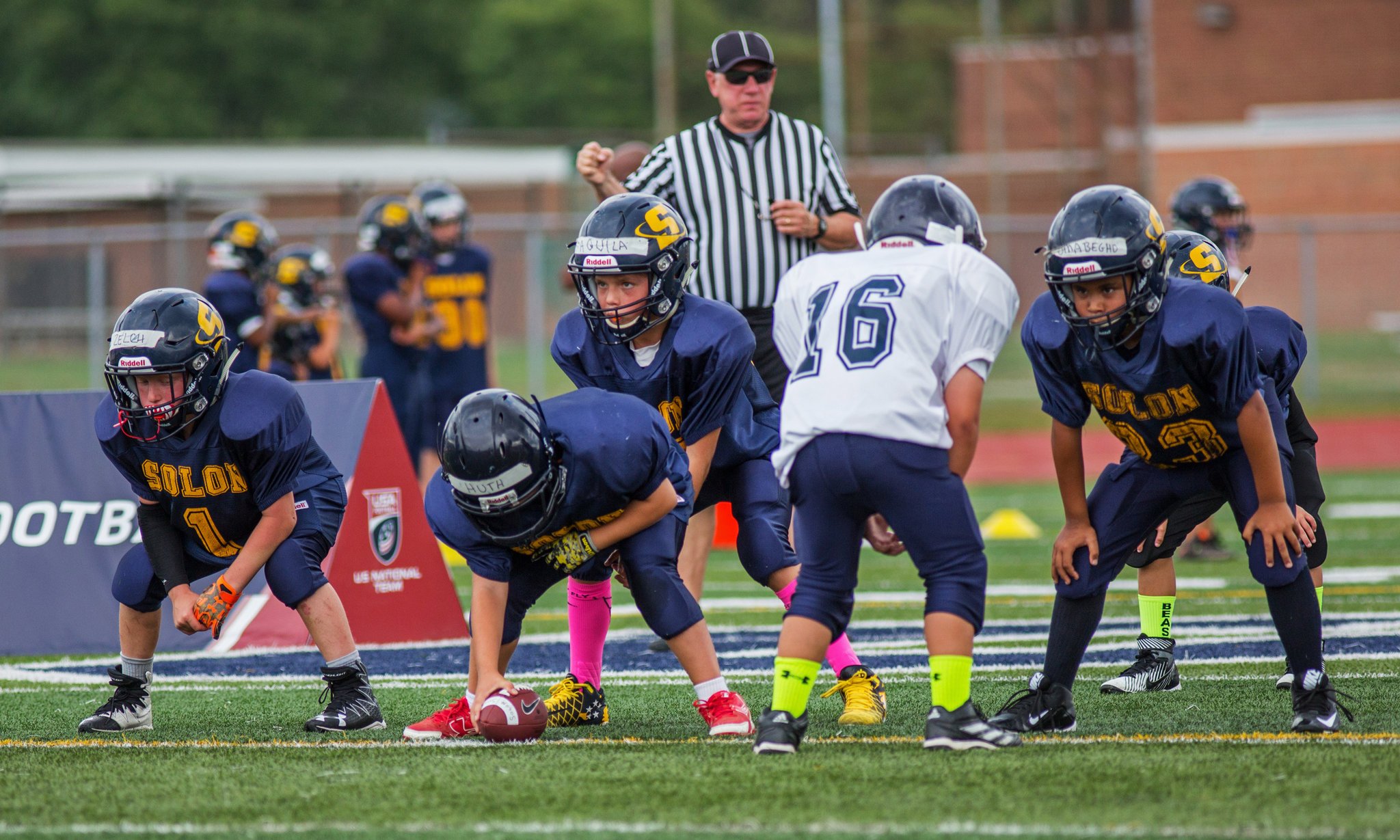
Youth football games typically last between 60 and 80 minutes, depending on the specific league rules and age group.
Ever wondered about the time commitment involved with youth football? It’s a common question for parents and players alike: how long do youth football games last? The answer isn’t always straightforward, as game lengths can vary depending on the organization.
Age divisions and specific league regulations play a key role in determining the duration. This also includes the amount of time allocated to each quarter or half, and the length of half time. This influences the overall length of the game.

How Long Do Youth Football Games Last?
Figuring out how long youth football games last can feel like trying to solve a puzzle. It’s not as simple as saying “one hour” or “two hours.” The truth is, the length of a game depends on many things, from the age of the players to the rules of their specific league. Let’s dive into all the different factors that affect game time and get a clear picture of what you can expect. Get ready to learn all about youth football game durations!
Understanding the Basics of Game Time
Before we get into specifics, let’s talk about the basic building blocks of a football game. Just like a big LEGO castle, a football game is built from smaller pieces. These pieces are:
- Quarters: A full football game is divided into four periods called quarters. Think of them like four mini-games within one big game.
- Clock Management: Unlike some sports where the clock never stops, a football clock stops for different reasons. This includes when a player runs out of bounds, when a pass falls incomplete, or after a penalty. This stop-and-go clock is important, it’s a major reason why a game isn’t always a set number of minutes from start to finish.
- Halftime: Between the second and third quarters, there’s a break called halftime. This is usually longer than the breaks between quarters, so teams can rest, coaches can talk strategy, and the snack bar can get a little busier.
These components are the same across the board, whether you are watching a professional game on Sunday or your child’s game on Saturday morning. However, the length of the quarters, the amount of time the clock stops and how long halftime lasts changes drastically at youth level. Let’s examine those differences in more detail.
Age Groups and Their Impact on Game Length
One of the biggest reasons why game lengths differ is because of the players’ ages. Younger players have shorter attention spans and less physical stamina, so their games are shorter. As players get older, game times increase so they play a game that is closer to the game of adult level players.
Flag Football (Ages 5-7)
Flag football is usually the first introduction to the sport for many children. At this age, the focus is on learning the basic skills and having fun. You won’t see complicated plays or a lot of hard tackles. As such, the games are shorter.
- Quarter Length: Games at this level typically have four quarters lasting 10-12 minutes each.
- Halftime: Halftime is usually short, about 5 to 10 minutes.
- Total Game Time: The total game time is around 50 to 60 minutes long including halftime, and excluding timeouts.
- Why So Short? The short game time keeps kids engaged and prevents them from getting too tired. This age group’s focus and stamina are still developing.
Tackle Football (Ages 7-10)
As kids get a little older, many start playing tackle football. This version of the game introduces the concepts of blocking and tackling, though usually with a lot of emphasis on safety and learning proper technique. These games will usually be a bit longer than flag football.
- Quarter Length: Here, the quarters usually last 10 to 12 minutes each.
- Halftime: Halftime may extend a little, to about 10 to 15 minutes, but not significantly longer.
- Total Game Time: Including a 10-15 minute halftime, the games will be in the 55-65 minute range.
- Important Notes: There is usually more stop time at this level. As players at this age are learning the rules, there may be more penalties and stoppages of play to explain what happened and keep the game moving smoothly.
Tackle Football (Ages 11-13)
At this level, players are starting to become more athletic and are more comfortable with the rules of the game. The games become a bit longer to allow them the opportunity to develop their playing ability further and get used to longer time commitments.
- Quarter Length: Quarters often increase to 12-15 minutes each.
- Halftime: Halftime can be up to 15-20 minutes at this level.
- Total Game Time: A full game will run around 70-80 minutes with a halftime.
- Key Differences: As the players become more skilled, you will notice that games start to closely resemble a high school football game. The players are becoming stronger and faster.
Tackle Football (Ages 14-18)
By the time kids get into high school, the game of football is fairly set for them. The rules and clock management are now very much the same as in professional leagues. The game lengths are quite a bit longer than a youth game.
- Quarter Length: A high school football game usually has 12 minute quarters.
- Halftime: Halftime is generally around 15 minutes.
- Total Game Time: High school football games usually run around 2 to 2.5 hours long.
- Similarities to Higher Levels: You see a game at this level that’s the same as college and professional football games. The players are playing the full game with the same rules that everyone else is.
League Rules and Game Length
While age is a big factor in determining game time, it’s not the only one. The specific rules of the league or organization where your child plays will also play a crucial role. Different leagues can have different rules for clock management, halftime length, and other factors that affect game time. Let’s take a closer look.
Clock Management
Different leagues may have different rules about when the game clock stops. Some leagues might stop the clock on every incomplete pass, while others might have a running clock in certain situations. A running clock will allow the clock to continue running and the game to move faster, while a stopped clock means more time is spent in the game. The running clock rule usually comes into play in a game where a team is winning by a large margin, to shorten the total game time and prevent a potential score blowout. These rules can greatly affect the total game time.
Time Outs and Delays
Every football game has timeouts that can be used by the teams and also extra time for injuries. These can make the game longer than planned. Each team usually gets a set number of timeouts to use during the game, but in some leagues the number of timeouts can change. These timeouts can add a few minutes to the overall game time. Additionally, if a player is injured, the game will be stopped while the player is taken care of, adding more time.
Overtime
While very rare in youth football, overtime can happen. This rule allows teams to extend the game to try and break a tie. Different leagues may use different rules for the overtime period, meaning some may use a sudden-death overtime period that can lead to a very quick end, while others allow for additional drives. Overtime can add around 5-10 minutes extra, or longer if the tie goes on for multiple drives.
Other Factors Affecting Game Time
Beyond age and league rules, a few other things can make a game longer or shorter. It is helpful to know these things before you make your plans.
Weather Conditions
Sometimes, the weather can make a game take longer. A game may be delayed due to rain, snow, or other unsafe weather conditions. If there is lightning, there may be a 30 minute delay for safety. Weather issues can make game day much longer than you may have anticipated.
Number of Games
If there are multiple games being played at the same field or stadium, this could also affect the time. The games will have to start on time, or they will be delayed. It can be an issue if one game is running behind schedule, and the next game has to wait before it can get started.
Game Day Activities
Some games will have additional activities such as an awards ceremony, introductions or some other on-field event before, during or after the game. These things will add to the time you need to spend on the field.
How To Find Out Game Length
Now that you know all the factors that go into the length of a youth football game, how can you get the most accurate estimate for your child’s next game? Here are the best ways to get a handle on the expected game time.
- Check with the League or Coach: The most reliable place to find information about the game is to check directly with your child’s league, or coach. They will know the specific rules and game format for their specific league or group of teams. They can give you an accurate estimate of game times.
- Team Schedules: Most leagues have a schedule posted online that will show the game time and possibly information about the quarter lengths. Reviewing the online schedule will be a reliable way to get the time of the game and potentially the details about the game format.
- Talk to Other Parents: If your child is playing in the same league as previous seasons, reach out to other parents for insight. They have probably experienced the game days before and will know the game format and game lengths better.
So, the next time you head to a youth football game, remember it is not always a simple question. With all of the different factors that go into a youth football game, it can be tough to calculate the exact game time. However, now you have a much better understanding of all of the factors involved in determining the total time you will spend on the field!
The key takeaway is that youth football game lengths are not set in stone. They are a combination of the age of the players, the rules of the league, and even a few unexpected things like weather or injury stoppages. By keeping these variables in mind, you can better prepare for the game day, and make the game a much more enjoyable experience for everyone. So go out there, cheer on the team, and enjoy the fun!
The BEST 5 Year Old Football Player! #boomjunior #minijamarrchase #youthfootball
Final Thoughts
Youth football game duration varies by age group. Shorter games are common for younger kids, often around an hour. Older youth leagues tend to play longer games, perhaps closer to 90 minutes. Therefore, ‘how long do youth football games last’ depends on the specific league rules and age level.
Knowing the approximate duration allows parents to plan accordingly. Game lengths also impact the players’ stamina and overall experience.

