
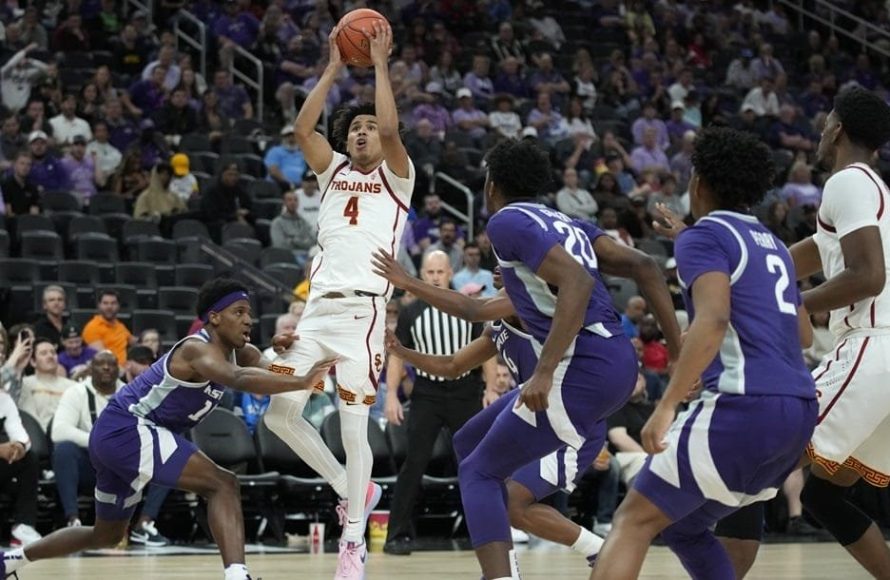
A college basketball game typically lasts about two hours, including timeouts and halftime.
Ever wondered how long you’ll be glued to the screen watching those intense college hoops battles? The question of how long does a college basketball game take often pops up for both new fans and seasoned viewers alike. Knowing the timeframe helps you plan your evening or weekend sports schedule.
Game length isn’t always exact, of course. Factors like overtime periods or excessive fouls can extend the time past the standard two hours, so always be prepared for a little flexibility. With that in mind, plan your watch party or post-game activities accordingly.

How Long Does a College Basketball Game Take?
Ever wondered how much time you need to set aside to watch a college basketball game? It’s a fair question! Unlike some sports where the clock keeps running, basketball has a lot of stops and starts. This can make the total game time a bit longer than just the playing time you see on the clock. Let’s dive into all the factors that affect how long a college basketball game actually takes.
The Basics: Playing Time
The official playing time for a college basketball game is 40 minutes. This is divided into two halves of 20 minutes each. This is different from the NBA, where they play four 12-minute quarters. So, at its core, a college basketball game is shorter in terms of actual playing time than a professional NBA game. But that’s not the full story!
Understanding the Game Clock and Stops
The 40 minutes of playing time doesn’t happen all at once. There are many things that can stop the clock. Understanding these interruptions is key to knowing how long a game will really last.
Time-outs
Teams get time-outs during the game. Time-outs are a short break taken by teams to discuss tactics or for a breather. Each team gets a certain number of time-outs per half, and these pauses add to the overall game time. A typical time out lasts around one minute but can sometimes be longer if it’s a media timeout.
Fouls
When players commit fouls, the clock stops. Depending on the type of foul, the player may shoot free throws. The time it takes to handle fouls, the discussions between the referees and the free throw shooting also adds to the overall game time.
Out-of-Bounds Plays
When the ball goes out of bounds, the clock stops until the ball is back in play. This happens a lot during a game and it contributes to the length of a game. These interruptions might seem small, but they add up.
Injuries
If a player gets injured during a game, play stops. The clock only resumes after the injured player is attended to, whether they can play on or not. This can add significant time to a game, especially if the injury is serious. The time-out may also be called by the referees to avoid disruption during the injury.
End of Quarters/Halves
The game clock also stops at the end of each half. The break between halves, the halftime, can range from 15 to 20 minutes. This time is used for players to rest, coaches to share game plans, and sometimes, entertainment for the fans.
Instant Replay
In college basketball, referees can use instant replays to review certain plays. The reviews often revolve around making correct calls for fouls, out of bound plays, shot clock situations, basket interference, etc. These reviews can add several minutes to a game, especially in crucial moments.
What Affects Game Length?
Besides the stops mentioned above, a few other factors influence the total time of a game. These include the pace of the game and how close the score is.
The Pace of the Game
Games with a lot of scoring and fast-paced action tend to have more possessions. This means more opportunities for fouls, out-of-bounds plays, and other stops. A slow-paced game with fewer possessions will generally have less interruption and might be slightly shorter.
Close Games vs. Blowouts
Close games often have more fouls and time-outs in the final minutes as teams strategize to win. Blowouts, where one team leads by a large margin, tend to have fewer interruptions in the final minutes because teams are not strategically focused as much as a close match, thus, the overall game duration tends to be lower compared to close games.
Overtime
If the score is tied at the end of regulation (40 minutes), the game goes into overtime. Overtime periods in college basketball are typically 5 minutes long. The number of overtime periods can vary. One, two, or even three overtimes can occur in a rare case if the score remains tied. Every overtime period adds more time to the overall game length.
Typical Duration of a College Basketball Game
So, taking all of these factors into consideration, how long does a college basketball game really take? Most college basketball games end up lasting anywhere between 2 to 2.5 hours. This is just an estimate, though. Some games can be slightly shorter or even a bit longer, depending on the factors we’ve talked about.
The Impact of Television Broadcasts
Television broadcasts also play a key role in the game duration. Networks have scheduled commercials during specific time-outs and during some in-game stoppages. This increases the overall game duration. These mandated media time-outs ensure that TV viewers see more advertisements. If you are watching a game on TV, the time may be significantly longer than if you were at the arena because of these breaks.
Scheduled Timeouts
TV networks have their own scheduled timeouts. These are known as media timeouts. They often occur at the first stop in play after 15 minutes of the game and after every 4 minutes thereafter. These media timeouts extend the game’s length quite a bit.
Game Length: A Breakdown
Let’s break down the approximate time a typical college basketball game might take:
- Playing time: 40 minutes (2 halves of 20 minutes each)
- Halftime break: 15-20 minutes
- Time-outs (per team): around 10 – 15 minutes (total for both teams)
- Fouls, out-of-bounds, other stoppages: around 30- 50 minutes
- Media timeouts (TV broadcasts): roughly 15- 30 minutes, if applicable
Remember, these are rough estimates. Some games may be shorter, and some will certainly run longer.
Factors That Can Shorten Game Length
While many factors can lengthen a college basketball game, some situations can cause it to finish quicker. Here are some situations where the games may not take a full 2 to 2.5 hours:
Blowout Games
As discussed above, when one team has a big lead early in the game, the losing team might not call as many timeouts. The game will not have the strategic, back-and-forth action you see in close games. The time spent on fouls and other stoppages tend to be less. As a result, the game will usually finish faster than other more competitive games.
Fewer Fouls
If teams are playing cleanly and fouling less, there would be less stoppages in game. That means less time added to the game.
Limited Replay Reviews
If there are few debatable plays that require review, that would save time. Not all games have instant replay review situations. Some games may not have the need for that, and would cause the games to be completed quickly.
Factors That Can Lengthen Game Length
On the other hand, some games can run longer than usual. Here are a few such situations:
Overtime Games
Each overtime period adds at least 5 minutes of playing time, as well as time for additional time-outs and stoppages. Overtime periods may also create a more intense game which increases the length of time spent on timeouts, fouls, and other stoppages.
Close, Intense Games
Close games in the last few minutes will almost always have many stoppages. Teams use their timeouts strategically, there are more fouls, and more use of replay reviews. All of this increases the game time.
Frequent Replay Reviews
Sometimes a game may have many situations where replay reviews are needed, either on foul calls or to determine if the ball went out of bounds. This causes the game to take much longer than usual.
Numerous Injuries
If there are many injuries during the game, it causes multiple stoppages, leading to a longer game.
Why Understanding Game Length Matters
Knowing how long a college basketball game takes can be helpful for planning your day. Whether you are a fan heading to the stadium, or just planning to watch the game on television, you would want to know how much time to set aside. Now you can properly plan for game night without missing any of the action or being caught off guard by an unexpectedly long game! You will be able to plan your day, your family time and make sure that the kids are in bed before midnight after an exciting basketball game!
A Final Note About Game Time
While the official playing time of a college basketball game is 40 minutes, the actual duration of the game is more variable. Multiple factors affect the length of the game. The best thing to do is to plan for around 2 to 2.5 hours. This is a good approximation of the total game time that you can expect. If the game has overtime or is unusually close, be prepared for it to last a bit longer!
So, next time you’re settling in to watch a college basketball game, you’ll have a better sense of what to expect. Now you can cheer for your team and enjoy all the action without wondering how long the game will last.
Pittsburgh Panthers vs. Duke Blue Devils | Full Game Highlights | ESPN College Basketball
Final Thoughts
A standard college basketball game takes around two hours to complete. This includes the forty minutes of playing time divided into two twenty-minute halves. Halftime and timeouts also contribute to the total duration.
Game stoppages, like fouls or out-of-bounds plays, add to the overall time. Overtime periods, if necessary, will extend the game’s length considerably.
Ultimately, ‘how long does a college basketball game take’ is roughly two hours, though variations occur. Factors like close scores and numerous fouls influence the game’s final duration.

