
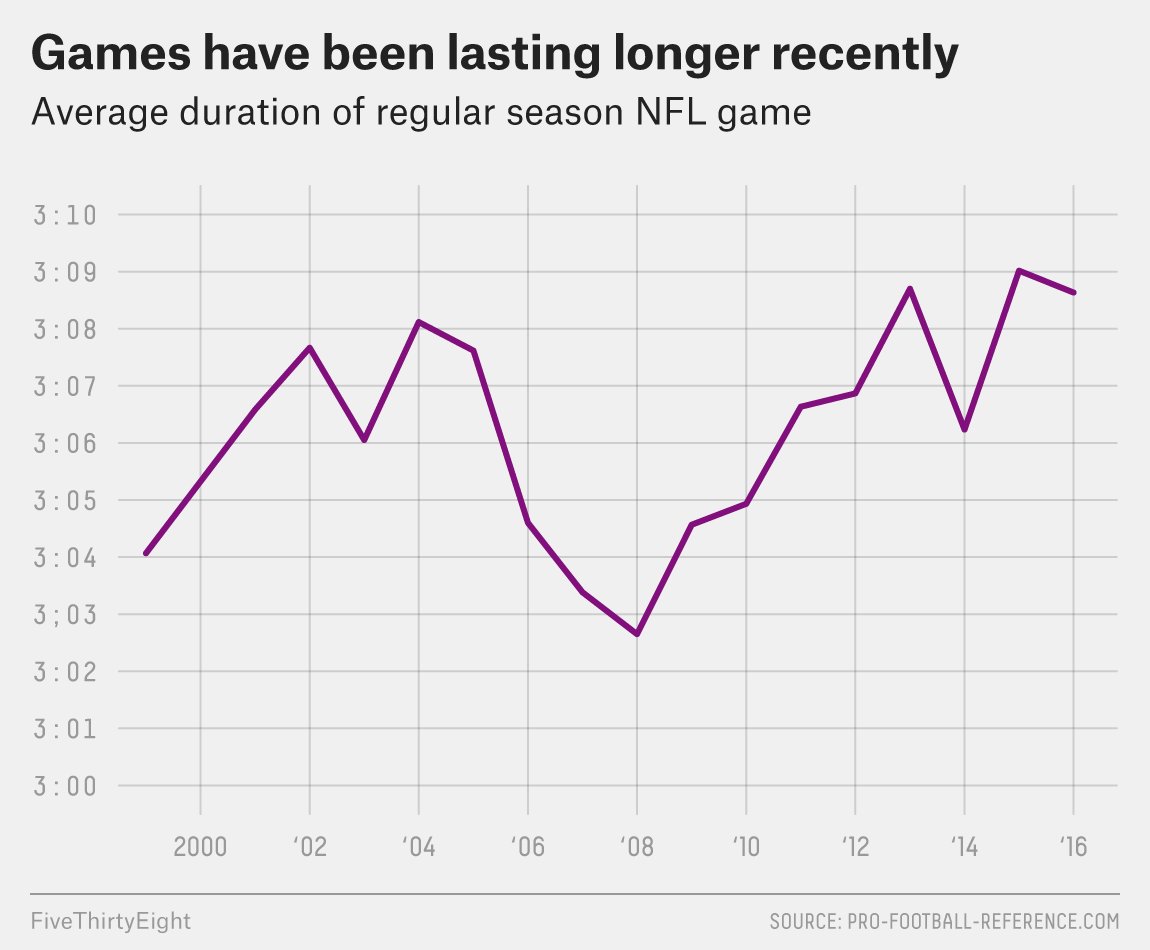
A standard professional football game typically takes around three hours, including halftime.
Ever wondered how long does a football game take? It’s a common question for newcomers to the sport and even those who just want to schedule their Sunday. The actual playing time is just 60 minutes, divided into four quarters, but the clock stops frequently.
The breaks between plays, timeouts, and of course halftime all contribute to the total length. So, while you see 60 minutes on the field, plan for a three-hour event.

How Long Does a Football Game Take?
Ever wondered just how long you’ll be glued to your seat watching a football game? It’s not as simple as saying, “It’s an hour long!” Football game lengths can vary quite a bit. It depends on the type of football, the level of play, and even what’s happening in the game itself. Let’s break down all the different factors that go into determining how long a football game really lasts.
The Basics of Game Time
Before we dive into all the variables, let’s talk about what makes up the basic length of a football game. In a standard American football game, you have four quarters. Each quarter is 15 minutes long in professional and college football. That makes for 60 minutes of total playing time. However, if we think it is 60 minute game so that’s wrong and this 60 minute is not what you will sit on the couch to see, there is more to it, and we will learn more below.
The Role of Halftime
Between the second and third quarters, there’s a break called halftime. Halftime usually lasts about 12 to 15 minutes at most levels. But in the NFL, halftime is longer, typically around 20 minutes. This gives the players a chance to rest, coaches time to strategize, and fans a chance to grab snacks. So, that’s another chunk of time that adds to the overall length of the event.
Timeouts and Other Delays
The 60 minutes of play time doesn’t just keep ticking away without any stops. Teams get timeouts, which they can use to talk strategy or let players catch their breath. There are also delays for injuries, penalties, or even when the ball goes out of bounds. These stoppages can add a lot of extra time to the game clock, sometimes even by a good amount. These are all called “dead ball” situations, where the game clock does not run. Each team has a set number of timeouts each half to use, and the officials will also pause the game time in the scenarios mentioned before.
Different Types of Football, Different Lengths
Now, let’s look at how game time differs in different types of football:
NFL (National Football League)
The NFL is the highest level of professional American football. As we mentioned before, each quarter is 15 minutes long, making for 60 minutes of playing time. The halftime break is around 20 minutes. With all the timeouts, play reviews, commercials and other delays, an NFL game typically lasts around three hours, or even a bit longer. Also, remember, television broadcasts add extra breaks for commercials, contributing to the longer total time.
College Football
College football games have the same 15-minute quarters and a typical halftime break of around 15 minutes. However, college football often has more scoring plays and sometimes a slightly different set of rules. These can cause more frequent stops, making a college football game often take between three and a half to four hours in total. Also, due to the large number of players on each team, substitution rules allow for more players being involved in games than the NFL.
High School Football
High school football games have shorter quarters, usually only 12 minutes each. This makes for a total of 48 minutes of game time. Halftime is around 10 to 15 minutes. Because of the shorter quarters, a high school game will take less time compared to college and the NFL. You can expect high school games to last about two and a half hours. But keep in mind there are various different formats, depending on the state, league and other factors. So some high school games may take longer or shorter.
Youth Football
Youth football for younger kids often has even shorter quarters, sometimes 8 to 10 minutes long. Halftime is also shorter. These games are quick and can sometimes take only about 90 minutes to two hours total. The goal is to make the game fun and less time consuming for the young players. Youth football also includes multiple age groups, so the time difference can depend on how old the players are playing the sport.
Canadian Football
Canadian football has unique rules. The field is larger, and there are 12 players on the field instead of 11, and they also have different downs than American football. However, the game still follows the same four-quarter format and similar stoppage rules as American football. So, a Canadian football game will typically take around three hours.
Other Leagues
There are other professional football leagues and also other formats of football. The rules and game times can vary greatly depending on the league. For example, arena football, with its smaller field and faster play, will have different game lengths as well.
Factors That Extend Game Time
Beyond the different levels of football, other things can affect the overall length of a football game:
Overtime
Sometimes a game ends in a tie, and that is where the overtime rule kicks in. In both college and the NFL, overtime is used to break the tie by adding extra game time. Overtime procedures differ between the two leagues. In the NFL, overtime lasts for 10 minutes and can continue until one team wins or in some cases will still be tied. College football overtime gives each team a chance to score from the 25 yard line and continues as needed until a winner is declared. Both the college and the NFL version of overtime can cause games to extend past the typical game time by 15-30 minutes.
Commercial Breaks
Television broadcasts of football games include commercial breaks. These breaks are a major reason why game times are longer than just the actual playing time. Both professional and college football games have a number of TV breaks each quarter and after every score. This could increase the total time of the game by a considerable amount.
Injuries and Official Reviews
Injuries to players will also stop the game clock. The referees will then have to attend the injured player and will often stop the game to consult with coaches, athletic trainers and doctors. The game can also stop for reviews, these are when game officials need to look at the footage to make sure an official call is correct. Referees often consult with league officials via video to see if a call on the field needs to be changed. This also adds extra time to the overall length of the game.
Penalties
Penalties occur during games. Sometimes this involves a measurement of where the ball will go. These are often time consuming, since the referees need to ensure the proper spot of the ball and other factors of the rules are properly followed. Timeouts are used for both tactical purposes and for coaches to help their team regroup, adding more time.
Time Management in Football
Time management is a critical part of football strategy. Teams need to know how to use the time on the clock to their advantage. There are some interesting aspects of this such as:
- Using Timeouts: Teams use timeouts not just for breaks, but also to stop the game clock when they are on offense and need to stop the other team scoring.
- The Two-Minute Warning: In the NFL and college football, there is a two-minute warning at the end of the first half and the end of the game. This gives teams time to make use of their time outs and have an advantage to score.
- Running Out The Clock: When teams are winning near the end of a game, they use their players to run out the time in the game clock, therefore they don’t give an opportunity to the opposing team to score.
- Clock Management: This is a critical part of the overall game strategy, and involves controlling the game time so they have more opportunities to score, while denying opportunities to the other team.
The Bottom Line on Game Length
As you can see, the question of “how long does a football game take” doesn’t have a simple answer. It can depend on many factors. Here is a general guideline on how long you can expect the game to last, from shortest to longest:
| Type of Football | Typical Total Game Time |
|---|---|
| Youth Football | 1.5 to 2 hours |
| High School Football | 2.5 hours |
| College Football | 3.5 to 4 hours |
| NFL Football | 3 hours or more |
Remember, this is a general estimate, and the actual time may vary depending on the game events.
So, next time you settle in to watch a football game, remember that it’s not just about the 60 minutes of playing time. It’s about all the stops, starts, and breaks in between that make the experience so engaging and unpredictable. Enjoy the game, and be prepared to settle in for a few hours of action!
A Beginner's Guide to American Football | NFL UK
Final Thoughts
A standard football game typically lasts around three hours. This includes four 15-minute quarters, a halftime break, and various pauses. Timeouts, penalties, and injury stoppages all contribute to the overall duration.
Therefore, the actual playtime is significantly less than three hours. Understanding how long does a football game take involves considering these additional factors, which makes a football game longer than just the playing time.

