
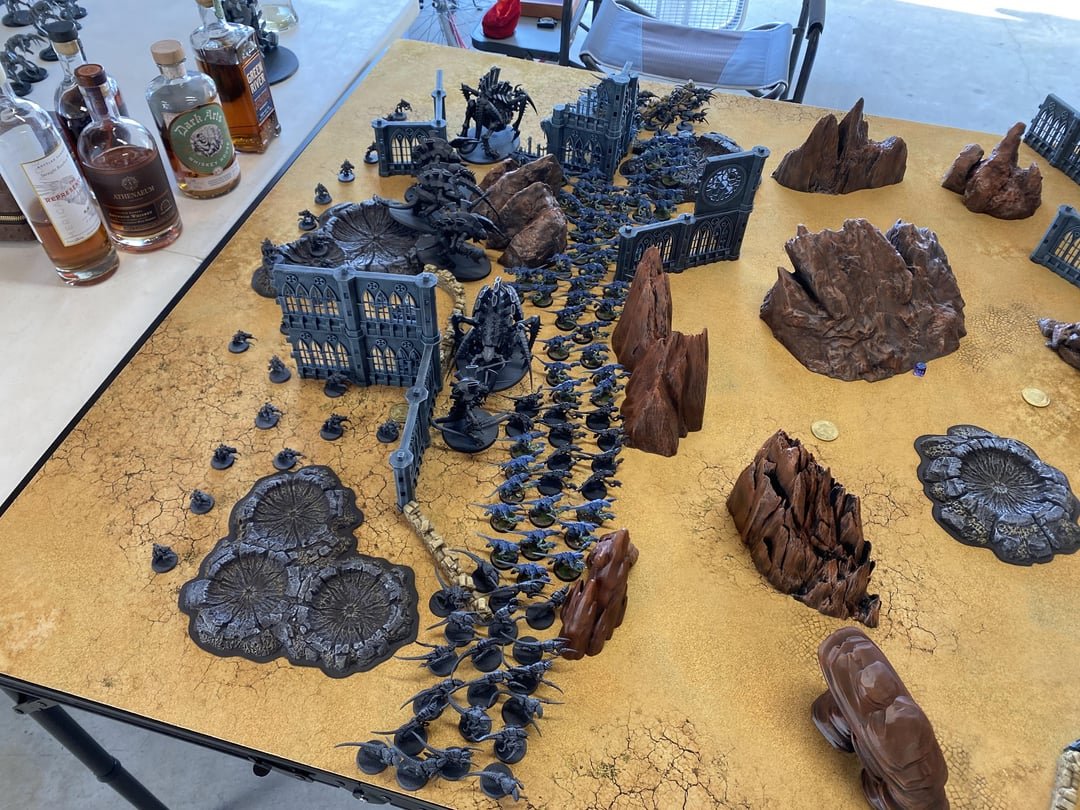
How long does a game last? A game’s duration varies greatly, ranging from a few minutes for casual mobile games to hundreds of hours for complex role-playing titles.
Ever wondered how long does a game last? It’s a common question for both new and seasoned players. The answer, however, isn’t straightforward.
Game lengths differ significantly based on genre and the developer’s design. A quick mobile puzzle might only eat up 5-10 minutes, while an expansive open-world adventure could take upwards of 100 hours. So really, it depends what you choose to play.

How Long Does a Game Last?
Ever wondered how long you’ll be glued to your screen or tabletop when you start a new game? It’s a question that pops into everyone’s mind, whether you’re planning a quick session or settling in for the long haul. The truth is, there isn’t one simple answer to “how long does a game last?”. It’s like asking how long a movie is – it really depends! Let’s explore the factors that influence game length and look at some examples across different game types. Understanding these elements can help you choose the perfect game to fit your schedule.
Factors Affecting Game Length
Several things can change how long a game lasts. It’s not just about the game itself, but also how you and others play it! Let’s take a closer look:
Game Type
The type of game is a huge factor. Some games are designed to be short and sweet, while others are built for epic, long-term adventures. Here are a few examples:
- Board Games: These can range from 15-minute quick games to multi-hour strategy epics.
- Video Games: Single-player campaigns can be 5-10 hours long or over 100 hours for sprawling RPGs. Multiplayer matches might take 15-45 minutes each.
- Card Games: Some card games, like “War,” can be over in minutes, while others, like “Magic: The Gathering,” can last hours.
- Mobile Games: These often feature shorter play sessions, maybe 5-10 minutes per level or match.
Game Difficulty and Player Skill
How good you are at a game and the difficulty settings can make a big difference. If you play on easy mode, you might finish a game much quicker than someone struggling on hard mode. Likewise, experienced players will tend to complete games more quickly than those who are new to a title. Player skill impacts the time spent in any game, whether it’s mastering levels, strategizing in board games, or winning competitive matches.
Number of Players
Some games are meant for one player, while others need several. The more players you have, especially in complex games, the longer a game will often take. This is especially true for party board games, multiplayer online games, or cooperative campaigns, where each person’s turns or actions extends the total time.
Player Choices
Many modern games offer choices that affect the outcome and length of the game. In a role-playing game, for instance, you might have to make tough decisions that lead to different story paths and time investments. Some players also enjoy exploring every nook and cranny of a game world, which also takes a lot more time. Similarly, in sandbox-style games, a player decides on their own goals, which affects how long they play.
Examples of Game Lengths
Let’s dive deeper and examine some specific game examples to give you a clearer idea of what to expect. These are just averages, and your own playtime may vary. We’ll look at different genres and explain why they have the game lengths they do.
Video Games
Single-Player Games
Single-player games are usually meant to tell a story or provide an experience designed for one player at a time. The average playtimes of these games can vary significantly.
- Short Indie Games: Games like “Journey” or “Inside” are known for being shorter, often taking around 3-6 hours to finish. These games are focused on providing a specific experience with less open world exploration.
- Action-Adventure Games: Games like “The Legend of Zelda: Breath of the Wild” or “Uncharted” can take anywhere from 20-40 hours for a main playthrough. This excludes any additional side quests or activities, which will substantially add to the playtime.
- Role-Playing Games (RPGs): RPGs, such as “The Witcher 3” or “Elder Scrolls V: Skyrim” are known for their vast game worlds and story length. These are long games, taking between 50-100 hours to complete, sometimes even longer when including optional content.
- Open-World Games: Games like “Grand Theft Auto V” or “Red Dead Redemption 2” will take a while to beat. With their expansive game worlds, these can take 30-80 hours to complete a campaign.
- Puzzle Games: Puzzle games, like “Portal” or “The Witness,” have varying lengths, but mostly fall between 5-20 hours, depending on your puzzle-solving ability and the complexity of the puzzles.
Multiplayer Games
Multiplayer games often have different formats that make playtime less about completion and more about continuous engagement. Each match or session will be shorter than the overall single-player experience.
- Shooters: Games like “Call of Duty” or “Fortnite” have short match times, typically 10-20 minutes per match. But with continuous play and ranked modes, you might find yourself playing these for countless hours.
- Multiplayer Online Battle Arenas (MOBAs): MOBA games like “League of Legends” or “Dota 2” usually last 30-60 minutes per match, with many players going for daily sessions.
- Fighting Games: A typical match in a fighting game like “Street Fighter” or “Mortal Kombat” can be short, about 5-10 minutes, but mastering the game takes a lot of time.
- Party Games: Multiplayer party games, such as “Mario Party” or “Jackbox Party Pack,” usually range from 20-60 minutes per session, depending on the number of players and game options chosen.
- Racing Games: Online races in games like “Gran Turismo” or “Forza” can last from 5-30 minutes, depending on the race type and tracks chosen.
Board Games
Board game playtimes are extremely diverse, ranging from short, quick games to elaborate strategy adventures.
- Quick Games: Many quick board games, such as “Sushi Go!” or “Love Letter,” usually take 15-30 minutes to complete. These games are often simple, easy to learn, and very portable.
- Medium-Length Games: These games, such as “Ticket to Ride” or “Settlers of Catan,” typically take 45-90 minutes per session. They have more complex rules than quick games but are still accessible for most players.
- Long Strategy Games: Strategy board games like “Twilight Imperium” or “Gloomhaven” can take several hours to complete. These games feature complicated rules and deeper strategy and are usually played over multiple sessions.
- Cooperative Games: Cooperative board games, like “Pandemic” or “Arkham Horror,” can vary greatly in length depending on how well players cooperate, with sessions usually ranging from 60-120 minutes.
Card Games
Similar to board games, the time it takes to complete a card game can vary greatly.
- Quick Card Games: Simple games, such as “War” or “Go Fish,” are over in 5-15 minutes. These are usually quick games for kids or filler between other activities.
- Standard Games: Standard card games like “Uno” or “Phase 10” usually take 20-45 minutes. These games have more rules than quick games but are still relatively easy to pick up.
- Collectible Card Games (CCGs): Games like “Magic: The Gathering” can have a single match take 15-45 minutes depending on the decks and player experience. With deck-building and tournaments, they can involve hours of planning and gameplay.
- Trick-Taking Games: Trick-taking games like “Bridge” or “Hearts” have sessions that can last between 30-60 minutes, often dependent on the number of hands dealt and the experience of the players involved.
Mobile Games
Mobile games are designed to be played in small bursts, making them perfect for quick entertainment.
- Puzzle Games: Mobile puzzle games like “Candy Crush” or “Monument Valley” can have levels that only take a few minutes each. However, these games are designed with numerous levels and can be played for hours in total.
- Action Games: Mobile action games often feature short matches of 5-10 minutes. For example, “Clash Royale” and “PUBG Mobile” have quick matches for mobile players on the go.
- Simulation Games: Simulation games like “Animal Crossing: Pocket Camp” or “Stardew Valley Mobile” are often designed for short sessions, but players can find themselves playing for hours as they build their worlds or characters.
- Hypercasual Games: Hypercasual mobile games feature super short play sessions, typically lasting only 1-3 minutes. These games are designed to be easily picked up and put down, often with simple mechanics.
Making the Most of Your Gaming Time
Regardless of the type of game, here are a few tips to make the most out of your gaming time:
Plan Ahead
If you know you only have an hour to play, choose a game with shorter matches or a game that you can easily save and resume later. For long games, break them up into manageable sections. This helps prevent burnout and makes the game more enjoyable. Check online for average playtimes before committing to a game.
Set Realistic Expectations
Don’t start a long, complex game if you have a limited time to play. Recognize that some games will take several sessions to complete, and that’s okay. Be patient with yourself as you learn new games.
Communicate with Others
If you’re playing with friends or family, discuss how long everyone has to play beforehand. This will help in choosing games that everyone can enjoy within a given time frame.
Enjoy the Process
Try not to focus solely on finishing the game quickly. Take time to explore, learn, and have fun with the gameplay. The journey is just as important as the destination.
The length of a game is really flexible, varying greatly depending on several factors like game type, player skill, number of players, and individual player choices. Now you’ve got a solid grasp of what to expect in terms of game length and can make informed decisions when it’s time to play. The best thing to remember is that no matter how long a game is, the most important aspect of playing is to have fun.
How Long Should a Game Last?
Final Thoughts
Game length varies significantly depending on genre and personal play style. Some casual titles offer quick sessions lasting minutes. Complex strategy games or expansive RPGs can require tens of hours to complete.
Ultimately, how long does a game last is a highly individual experience. There is no single answer because several factors affect it. A player must consider their time commitment, before choosing a game.

