
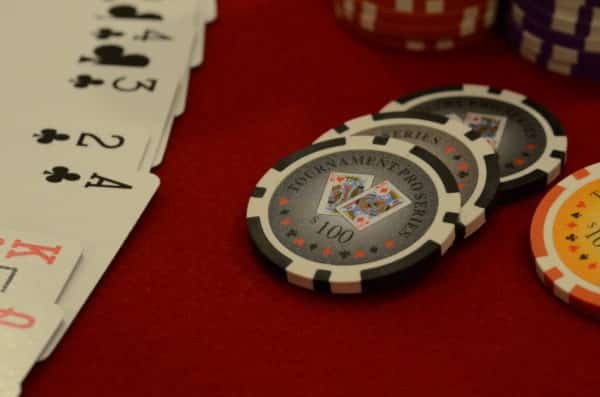
A game of poker can take anywhere from 15 minutes to several hours, depending on the variant, number of players, and playing style.
Ever found yourself wondering, how long does a game of poker take? It’s a question with no single answer, as the duration can swing dramatically based on various factors. A quick heads-up match might be over in a flash.
On the other hand, a multi-table tournament could easily consume an entire evening, even stretching into the next day. The type of poker being played also heavily impacts the timeframe.
Ultimately, the answer to ‘how long does a game of poker take’ is “it depends,” however, we can explore some common timelines in our article.

How Long Does a Game of Poker Take?
Ever sat down at a poker table, ready for a fun night, and wondered how long you’d be there? It’s a common question, whether you’re planning a casual game with friends or heading to a serious tournament. The truth is, the length of a poker game isn’t fixed. It can vary quite a bit, depending on several important things. Let’s explore what makes a poker game tick and how long you might expect to play.
Factors Affecting Poker Game Length
Many things can change how long a poker game takes. It’s not just about how many hands you play. Here’s a breakdown of the main factors:
Type of Poker Game
The kind of poker you’re playing has a huge impact on the time it takes. Some games naturally move faster than others.
- Texas Hold’em: This is a very popular game, known for its fast pace. In a standard cash game, the action is generally quick, with players making decisions in each round. Expect cash games to last anywhere from a couple of hours to many hours, depending on who’s at the table and how deep the stacks are. If you playing in a tournament, the game can last much longer.
- Omaha: Omaha games, where players receive four cards instead of two, often lead to bigger pots and more involved hands. This can make the rounds take a bit longer than in Texas Hold’em. The increased complexity can lead to more thinking time for players.
- Stud Games: Games like Seven-Card Stud or Razz tend to be slower paced. Each player has their own unique hand and a more involved process of dealing cards, so expect these games to take longer to complete. Also, since there’s more focus on individual players’ hands, the pace of the game will slow.
Number of Players
The number of people sitting at the table is a big factor. More players mean more decisions, and this can naturally make the game longer.
- Fewer Players: If it’s a small game with just a few people, the game will often move quickly since each person will play more hands. There will be less waiting time and more frequent turns.
- More Players: If you have a lot of people, like a full table of ten players, each round will take more time to complete, as everyone has to act in turn. This includes the time for each player to decide whether they will fold, call, or raise, which can extend the length of the game.
Style of Play
How players at the table are playing is also a very important consideration.
- Aggressive Players: If most players are very active, raising, and betting a lot, then the games will proceed faster, but can create a long game because the pots are bigger and the decisions are more complicated. There’s often more action which means more rounds are needed and hence the game will move more quickly.
- Passive Players: If most players are cautious and rarely bet or raise, the games tend to last longer, with more hands where only a small amount of money is won, but there are more hands per hour to keep the game flowing.
- Tight Players: When players are very careful, folding a lot of hands, you might not play as many hands per hour as usual, causing the game to proceed more slowly and therefore leading to a longer game duration.
Structure of the Game
The specific structure of the game, such as the blind levels, also significantly affect the time of the game.
- Cash Games: Cash games don’t have a set ending time. Players can come and go as they please, and games can go on for as long as there are players who want to continue playing. The structure of the game is very flexible, which can make it hard to estimate when a cash game will end.
- Tournament Games: Tournaments have specific rules and time structures. The blinds (the amount each player has to bet) increase regularly. This speeds up the game over time as the stakes get higher and players need to make decisions to avoid running out of chips, as well as making the game faster since players are eliminated.
Time Estimates for Different Game Types
Let’s put some numbers to the different types of poker games. It’s not an exact science, but this can give you a good idea of how long you might be playing. Remember that these are estimates, and your specific game might be shorter or longer.
Home Poker Games
These games can vary a lot because it’s all up to the players involved. Here’s a rough idea:
- Casual Games: A casual home game might last anywhere from 2 to 4 hours. Players are usually friends having fun, with less money at stake, meaning they might take their time, but not that much.
- More Serious Games: Home games with higher stakes or more competitive players might stretch to 5 or more hours. This includes time for breaks and socialising, which can extend the time.
Casino Cash Games
Cash games at casinos can vary a lot, often staying open for a very long time and players can join and leave whenever they want. Here’s what to expect:
- Short Sessions: A shorter cash game session might last for 2 to 3 hours. These are good for people who want to play some poker, but don’t have a huge amount of time.
- Typical Sessions: Many players will spend 4 to 6 hours at a table. This allows a lot of play and makes it possible for them to recoup any losses, or extend their winnings.
- Long Sessions: Some players are happy to play for 8 or more hours. These marathon sessions can lead to big wins or losses, depending on the player’s skill and luck.
Poker Tournaments
Tournaments have a much more defined structure, with a set ending time. The following estimates are just approximations.
- Small Tournaments: A small local tournament might take 3 to 5 hours. This will be enough time to eliminate the players.
- Mid-Size Tournaments: Larger local tournaments or small regional tournaments might take 6 to 8 hours, since there will be many more players to eliminate, and so they take a bit longer.
- Major Tournaments: Large tournaments at major casinos can often take 10 to 12 hours a day and might last for several days since there will be a large number of players, with the possibility for players to re-enter the tournament as well.
Online Poker Games
Online games have their own timing patterns:
- Sit and Go’s: These small tournaments finish when one person has all the chips and usually last around 30 minutes to 1 hour, making them a great fast-paced option.
- Multi-Table Tournaments (MTTs): Larger online tournaments can last many hours. Some of the large weekend tournaments can go on for 8 hours or more, with multiple tables and often very high stakes.
- Cash Games Online: Online cash games have no fixed duration and can last as long as you want, similar to physical casino cash games.
Strategies for Managing Your Time at the Poker Table
Knowing how long a game might take can help you manage your time better and enjoy the experience more. Here are some tips:
Plan Your Time
Before you start a game, think about how much time you have. This way you know when you have to leave, or whether you should even start playing. Don’t get stuck in a game if you have prior commitments to get to.
- Set a Limit: If you’re playing a cash game, decide ahead of time how long you’re willing to play and stick to it.
- Check Tournament Schedules: Look at the tournament schedule or check online information to see how long the tournament is estimated to last.
Take Breaks
It’s important to take regular breaks, especially during long sessions. Poker can be tiring, and breaks can help you stay sharp. Take short breaks to stretch, grab a drink, or get some fresh air.
Pay Attention to the Game
Keeping an eye on the game speed is good. if you notice the game moving very slowly and you are running out of time, it’s probably a good idea to wrap it up.
- Observe the Players: If players are taking a long time to act, the game will likely be slow.
- Notice the Structure: If the blinds are increasing quickly, the game should speed up.
Know When to Fold
If you are playing in a tournament with short amounts of time and you have been waiting a while for a good hand, it’s sometimes wise to just fold and wait for a better hand. Don’t force a bad hand, which can help to make the game more faster.
- Don’t Waste Time: Be willing to fold early to save your chips and time.
- Be Patient: Wait for good opportunities to get involved and don’t force a hand that you don’t think is good.
Communicate with Others
If you are playing with friends, it’s fine to talk about how long you are intending to play for. You should be open with your playing partners.
- Be Upfront: Let other players know if you have to leave by a certain time.
- Be Flexible: Sometimes game plans have to change, so be ready to adjust.
Poker Game Length: More Than Just Time
It’s important to remember that poker isn’t just about how long the game lasts. It’s also about the fun, the challenge, and the social interaction. Enjoy the game, regardless of how long it takes.
The time spent playing is really only one aspect of the overall poker experience. Every game is different, and that’s what makes poker so exciting and unpredictable. It’s not always about trying to get the game over with quickly, but to enjoy the experience of playing with other people and learn and get better each time you play.
Understanding the factors that affect game duration can help you to plan your games better and can make the game more fun and interesting, and so you can get more enjoyment from your time spent at the table.
So, while there’s no single answer to how long a poker game takes, you’re now better prepared to estimate and manage your time. Enjoy the game, and remember that the best moments aren’t always about winning, but about the experience itself.
When to Quit a Poker Game
Final Thoughts
The duration of a poker game varies significantly based on several factors, including the specific variant played and the number of players. A casual home game might wrap up in an hour or two. Tournament poker, however, often stretches much longer, potentially lasting several hours or even a full day.
Ultimately, how long does a game of poker take depends on the game structure and player speeds. You must consider all involved elements when estimating game duration. A quick heads-up game contrasts sharply with multi-table tournaments, affecting play time.

