
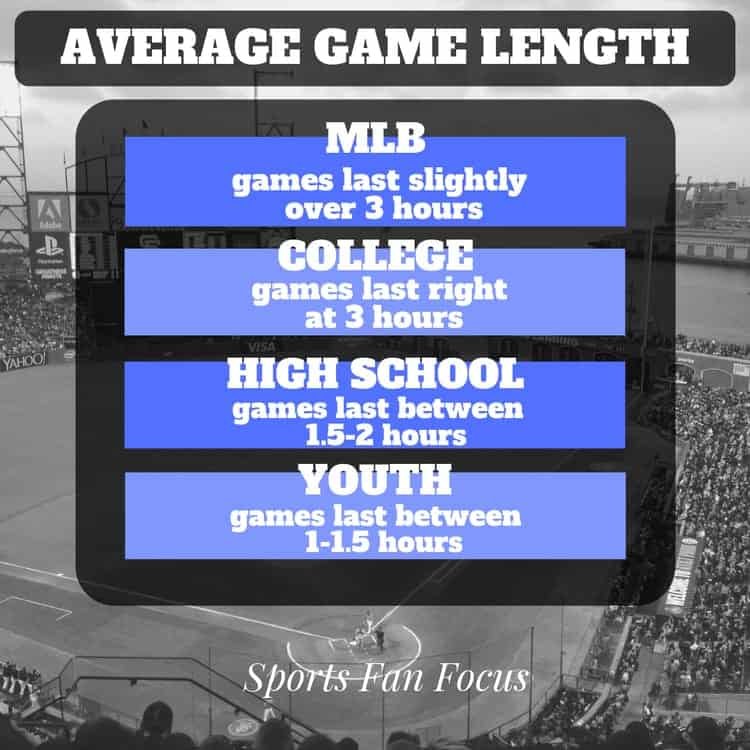
Typically, a high school baseball game lasts around 2 hours, but can vary based on factors like extra innings and pitching changes.
Ever wondered how long does a high school baseball game last? It’s a common question for both new fans and seasoned spectators. Game length isn’t set in stone, so it can feel a bit unpredictable sometimes.
Various things influence the final clock time. These include the number of innings played, the pace of the pitchers, and the frequency of substitutions made by coaches. Games can run longer if a tie needs to be broken, or if there are many pitching changes.

How Long Does a High School Baseball Game Last?
So, you’re wondering how long you’ll be sitting in the stands watching a high school baseball game? That’s a great question! It’s not as simple as saying “exactly two hours,” because lots of things can affect how long a game takes. Let’s dive in and explore all the different factors that play a part in the duration of a high school baseball game. You’ll soon see that it’s more like a fun, unpredictable journey than a timed event.
The Standard Length: Seven Innings
The most basic fact is that a standard high school baseball game is scheduled to last for seven innings. Think of innings like mini-rounds within the game. Each inning has a top and a bottom. In the top, one team bats until they get three outs. Then in the bottom, the other team bats until they get three outs. So, a complete inning is when each team bats once. This seven-inning format is the standard for almost all high school leagues across the United States and many other places. This is why when you hear someone talk about the length of a baseball game, they’ll usually refer to the number of innings.
But, it’s not just about the number of innings. You might think that seven innings would take a set amount of time. However, baseball games are not like timed sports like basketball or soccer, which have a clock that forces the game to end when time runs out. Baseball has no clock! Games can be shorter or much longer depending on what happens.
Factors That Impact Game Length
Many things can make a high school baseball game take more or less time. Let’s look at some of the biggest factors that can make the game speed up or slow down.
Pace of Play: The Speed of the Game
One of the most important things is the pace of the game, meaning how quickly the game moves along. Some games just seem to flow, with batters quickly getting to the plate, pitchers throwing without delay, and fielders making quick plays. These games can go by fast. However, other games have delays for different reasons and those can seem to drag on.
- Pitching Changes: When a pitcher is not doing so well, or when the coach wants to use a different pitcher for a particular batter, a pitching change can happen. This usually takes some time, as the old pitcher leaves the mound, and the new pitcher gets their warm-up throws.
- Batter Preparation: How quickly the batter gets ready to hit can also affect how long the game lasts. Some players step right into the batter’s box, while others take their time adjusting their gloves, tapping the plate, and so on. If a batter has a lengthy routine, the game may slow down.
- Time Between Pitches: Some pitchers throw at a faster pace, while others take longer between pitches. Some like to take a deep breath, or look at the signs from the catcher, and those actions can add time to the overall game.
Offensive Outbursts and Runs Scored
The number of runs scored in a game greatly impacts its duration. If one team scores a lot of runs, that means more batters get a chance to hit and each time a team gets a hit or a walk, that takes time. Games with many hits, runs, walks and errors, tend to go longer. This is because each run usually involves a few steps. There’s the hit, the runner advancing, and then maybe a play at the plate. All of this adds minutes to the game.
Also, if a game is a blowout where one team is getting dominated and the other team is consistently making outs, the game can finish a lot quicker. Blowouts can sometimes result in shorter games, because the winning team’s pitcher isn’t forced to work too hard. However, even a blowout can go long if that team is making good contact and scoring runs quickly.
Close Games and Extra Innings
Close, hard-fought games often take longer. If a game is tied at the end of the seventh inning, the game goes into extra innings. In extra innings, the game continues until one team is ahead after both teams bat. This can mean another inning, or many more! Sometimes these nail-biting situations can last for several extra innings making the game quite long.
The tension in extra-innings games is very high, and players tend to be extra careful and the pace of the game can slow down even more because of this intensity. Close games and extra innings are exciting, but they add quite a lot of time.
Weather Delays
Weather can have a huge impact on game length. Rain is the most common weather delay. Sometimes games are delayed, and sometimes they are even called off completely due to rain. But it’s not just rain, things like lightning can also delay a game. When there is a lightning strike nearby, umpires usually stop play for the safety of players and fans. These kinds of delays can interrupt the flow of the game, and can greatly affect the length of a game, because the team must wait until the weather is safe.
Injuries and Timeouts
Injuries are something we don’t want to see in the game, but sometimes they happen. If a player is injured, the game might be delayed while the trainer comes on the field to assist. These stops add time to the game, especially if the injury is significant and the player needs time to recover. Timeouts called by coaches also add a bit of time. Coaches might call a timeout to make a change, to give instructions to the team, or to talk to the umpire about a call. While these timeouts are usually brief, they do affect the overall game length.
Umpire Discussions and Decisions
Umpires are in charge of making sure the game is fair and all rules are followed. Sometimes there are close plays or disagreements on calls. When umpires have to stop and discuss things, it can make the game longer. While the umpires try to make their decision fairly, these stoppages do add to the length of time the game will take.
Specific League Rules
While the seven-inning rule is standard, some leagues might have certain rules that can affect game length. For example, some leagues have a run-rule. That means if one team is ahead by a large number of runs after a certain inning, the game is over. This can shorten the game considerably. If a league does have a run rule, the rule will depend on the number of runs scored and when the rule is enforced.
Also, some tournaments or special games might have rules that vary from the regular season and this can also affect the time of the game.
Average Game Length
Even though lots of things can change how long a high school baseball game lasts, we can still talk about an average game length. Most high school baseball games last around two hours. This is just an average, so remember that games can be shorter or longer than this. Games can end in one and a half hours, or they can last for over three hours, depending on how those factors above affect the game.
Here’s a table showing you the typical time frames you might expect:
| Game Length | Estimated Time |
|---|---|
| Shorter Game (few runs, smooth pace) | 1 hour 30 minutes to 1 hour 45 minutes |
| Average Game | 2 hours to 2 hours 15 minutes |
| Longer Game (extra innings, many runs) | 2 hours 30 minutes to 3 hours+ |
Tips for Fans
Now that you know a high school baseball game can be unpredictable in length, you should plan accordingly. Here are some tips to help make your viewing experience more comfortable:
- Pack snacks and drinks: Especially if you think the game might be long, having some snacks and water with you will make the game more comfortable.
- Dress appropriately: Games can be in the sun, in the wind, or even the rain. Dress in layers and be ready for any changes in the weather.
- Bring a chair or blanket: If you are going to sit in the stands for a long time, bring something comfortable to sit on so you will feel comfortable throughout the whole game.
- Be prepared for delays: Don’t be surprised if the game takes longer than you expected. This is part of the fun of baseball, so be ready to hang in there.
- Check the weather: Before you go, check the weather report. This will help you know what to wear and if the game might be delayed or canceled due to the weather.
The Beauty of the Unpredictable
In the end, the variable length of high school baseball games is part of what makes them special. It’s not a timed event, so the game just flows naturally. You get to watch the players perform, cheer for your team, and enjoy being outside. The unpredictable nature of the game is something that makes baseball unique and keeps everyone on their toes!
THE LAST GAME💔 #shorts #baseball #highschoolsports #highschoolbaseball
Final Thoughts
High school baseball games typically last around seven innings. Game time fluctuates due to factors like pitching changes, hits, and errors. Weather delays can also add to the total duration. So, how long does a high school baseball game last? Plan for about two hours on average, but be prepared for some variation.
The pace of the game influences the time greatly. A game with numerous hits and pitching changes will take longer. Conversely, a game with efficient play moves quicker.

