
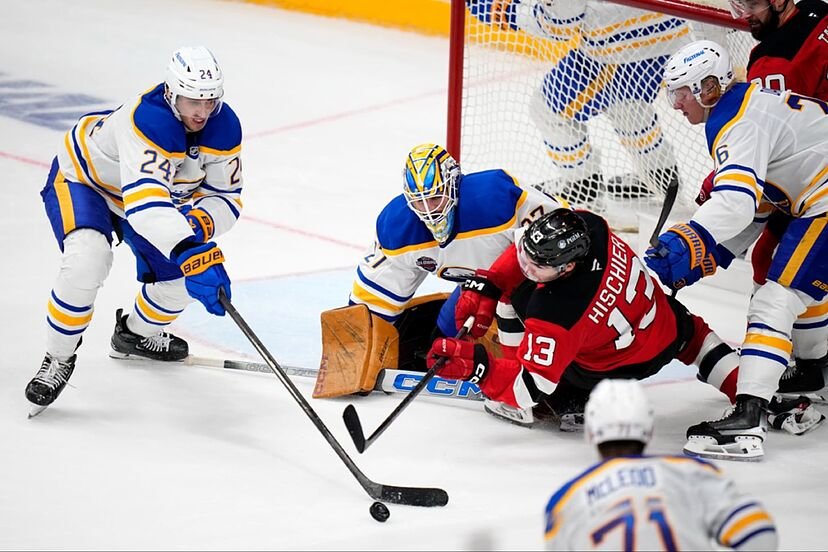
The total playing time of a hockey game is usually 60 minutes, divided into three 20-minute periods.
Ever wondered how long does a hockey game normally last? It’s a common question for newcomers and even seasoned fans. The actual time spent watching a game can vary, but the core gameplay is quite structured.
While the clock shows 60 minutes of ice time, stoppages and intermissions make the overall duration longer. Expect a typical hockey game to take around 2.5 to 3 hours, depending on the number of penalties and other interruptions.

How Long Does a Hockey Game Normally Last?
Okay, so you’re curious about how long a hockey game actually takes? It’s a great question because it’s not just a simple answer like “60 minutes!” There’s a bit more to it than that. The truth is, a hockey game is made up of different parts, and these parts can make the total time vary. Let’s jump into the details and explore everything that makes up the duration of a hockey match. It’s not always as straightforward as a soccer game where the clock mostly keeps running.
The Basic Structure of a Hockey Game
At its heart, a hockey game is divided into three main periods. These periods are like the chapters of a story, each one having the same length. Here’s how it breaks down:
- Three 20-Minute Periods: Each period in hockey lasts for 20 minutes of actual playing time. This is true for most professional leagues like the NHL, as well as many college and minor league games.
- Intermissions: Between each of these 20-minute periods, there are intermissions. These are like short breaks for the players to rest and the ice to be cleaned up. Typically, intermissions last about 15 to 18 minutes.
So, you have three 20-minute chunks of play, along with two 15-18 minute breaks. This means the minimum amount of time we’re talking about for a game with no delays is around 90 to 96 minutes. But wait, there’s more! That’s just the minimum. There are often reasons why a game can go on a bit longer, sometimes a lot longer.
Why a Hockey Game Can Take Longer Than 60 Minutes
The 60 minutes is only for the on-ice action. The reality is, several things can extend the total time of the hockey game beyond that mark. Let’s look into these factors:
Stoppages in Play
Unlike some other sports where the clock keeps ticking even when the game stops, in hockey, the clock stops whenever the whistle blows. This can add quite a bit of time to the overall game length. There are many reasons why the play might get stopped:
- Goals: Whenever a goal is scored, the play stops to celebrate, and the puck is dropped at center ice.
- Penalties: When a player breaks the rules and gets a penalty, the play also stops so the player can go to the penalty box and the team plays with one less player.
- Icing: If a player shoots the puck from behind their own side and it travels all the way to the other team’s side without being touched, it’s called icing. This will stop the play and call for face-off.
- Offsides: If a player enters the offensive zone before the puck, it’s an offside. Play will stop here too.
- Puck Out of Play: Sometimes the puck goes out of the playing area. This causes the play to stop until the puck is retrieved and play can resume.
- Injuries: If a player gets hurt, the game stops while the medical team attends to them.
All these stoppages add up, and they are unpredictable. Some games might have very few stoppages, while others might have many, depending on how aggressively or carefully teams play.
Overtime
When the score is tied after three periods, the game isn’t over! Depending on the league, a sudden-death overtime period is played. This means the first team to score wins the game. Overtime adds more time to the game, but its unpredictable as well, it can either end fast or can keep going for a long time. There are few variations of overtime:
- Regular Season Overtime: In the NHL regular season, overtime is a five-minute period of 3-on-3 hockey. This format makes the game faster-paced and increases the chance of a goal being scored quickly. If no one scores in the five-minute overtime, it goes to a shootout.
- Playoffs Overtime: During the NHL playoffs, overtime is different. They play full 20 minute periods of 5-on-5 hockey until someone scores the winning goal. This can sometimes lead to incredibly long games that can stretch for multiple overtime periods, sometimes adding an hour or more to the game’s total time.
- Other Leagues Overtime : Many other hockey leagues, like college or international hockey, will have different overtime rules. Some might use a 5-minute period similar to the NHL regular season, while others play longer periods until a goal is scored.
When a game goes into overtime, you never really know how long it might last. It all depends on how the teams play and how fast the scoring happens, or if it does not happen at all.
Shootouts
If a game is tied after an overtime period during the NHL regular season, they have a shootout. A shootout is not a part of game, its an extra way to end the tied game. In this, each team takes turns taking penalty shots. The team that scores the most goals wins. It doesn’t happen in playoffs or many other leagues, but it does happen in NHL during regular season. A shootout might add a few extra minutes to the total time but, its usually not that long, its much quicker than a regular overtime. A shootout is not counted towards the total time of a game, but it is still part of the overall experience.
Television Timeouts
For games that are televised, there are often extra stoppages called “television timeouts”. These are planned breaks in the game that allow the television channel to show commercials. These timeouts are usually around two minutes long, and they happen at specific times during each period. Although they make sure to make these timeouts, when there is the whistle blown, its not always the case when the whistle is blown. But these can still add to the length of the game.
Video Review
Modern hockey has video review technology. Sometimes the referees need to use video review to make sure a goal was scored legally, or if it was a penalty or any other kind of rule check. This process can add a few minutes to the total game time because, sometimes they have to look from different angles to make the right call.
So, How Long Does a Hockey Game Usually Last?
Taking all these things into consideration, a typical professional hockey game (like an NHL game) usually lasts somewhere between 2 hours and 2.5 hours. This is an estimate, as games can be shorter or longer. Here’s a general idea:
- Minimum Time: If everything goes smoothly and there are very few stoppages, a game could finish in around 2 hours. This would be a rare case though.
- Average Time: Most games will take around 2 hours and 15 minutes to 2 hours and 30 minutes. This includes all the usual stoppages and intermissions.
- Long Games: Some games, especially playoff games with multiple overtimes, can go over 3 hours, or even longer!
The table below provides you with an idea of the approximate durations you might expect when watching hockey games:
| Game Scenario | Approximate Duration |
|---|---|
| Regular Game with minimal stoppages | ~ 2 hours |
| Typical Regular Season Game | ~ 2 hours 15 minutes to 2 hours 30 minutes |
| Game with One Overtime Period | ~ 2 hours 45 minutes to 3 hours or more |
| Playoff Game with Multiple Overtime Periods | ~ 3+ hours |
Factors Affecting Game Length in Different Leagues
It’s important to know that while the basic structure of 3 periods and intermissions is consistent across different hockey leagues, the duration can vary. Here’s how it can differ in various leagues:
NHL (National Hockey League)
The NHL is the most popular professional hockey league. Its games typically last longer because of all the things we’ve discussed, plus television timeouts. When a game goes to overtime in the playoffs, it’s a full sudden death period, which can add lots of extra time. The games in NHL are often in the longer side.
AHL (American Hockey League)
The AHL is a minor professional league and has a lot of similarities to the NHL in terms of the rule and structure. The game length is similar to NHL as well, but maybe a bit shorter with less television time outs.
College Hockey (NCAA)
College hockey games are structured similarly, with 20-minute periods and intermissions. However, their overtime rules can be different, and you often have fewer television timeouts, which sometimes causes games to be little faster.
Junior Hockey
Junior hockey leagues, like the CHL, also have 20-minute periods, but their overtime rules can differ. The overall length of the game can also depend on how many stoppages they have.
International Hockey (IIHF)
International Hockey matches that include the Olympics, World Championships, often have a shorter overall game time than NHL. Their overtime formats may vary, and sometimes they have shootouts if tied after the period.
Youth Hockey
Youth hockey games, for younger players, often have shorter periods. For example, instead of three 20-minute periods, they might play three 15-minute periods or even shorter. Also, the rules might be a bit different for younger players, and there might be fewer stoppages. This means games are much quicker.
So, the league you are watching impacts how long the game will be. If you want to estimate the game’s duration, consider that professional leagues usually have the longest games because of all the extra features like TV timeouts, video reviews, and overtime formats.
Strategies to Manage Game Time Expectations
Since hockey game duration can be a little unpredictable, here are a few strategies you can use to manage your expectations when you are about to watch a hockey game:
- Add some Extra Time: If you are planning on going to watch a game, or you are planning to watch on TV, always add an extra hour to the 2 hours of game time, because of all the things that can make the game go longer.
- Check League Rules: If you are watching a hockey game from a league you are not familiar with, it is good to check up on their specific rules of the game, mainly their overtime rules to see how long the game might go.
- Be Patient and Enjoy: Hockey is a very fun and dynamic sport, and while the time can be uncertain, just enjoy the game and the energy from all the players on ice and be patient. It will all end eventually!
By keeping these strategies in mind, you can plan better when watching a hockey match, and be a little more prepared for however long the match might last.
In summary, while the core gameplay of a hockey match is structured around three 20-minute periods, the overall duration can vary due to stoppages, intermissions, overtime, and other factors. Typically, plan for at least 2 to 2.5 hours for a professional game, with the possibility of longer matches, especially during playoffs. Understanding these nuances helps you fully appreciate the dynamic nature of the game and allows for better planning if you’re heading out to watch a game or settling in at home for an exciting match.
How Long Is The Average Hockey Game? Best Game Length Guide
Final Thoughts
So, how long does a hockey game normally last? Typically, a professional ice hockey game runs for approximately 2.5 to 3 hours. This includes three 20-minute periods of play.
However, the actual time can vary due to stoppages and intermissions. Intermissions provide breaks for players and can extend the game. Remember that penalties and other events can also affect the total duration.

