
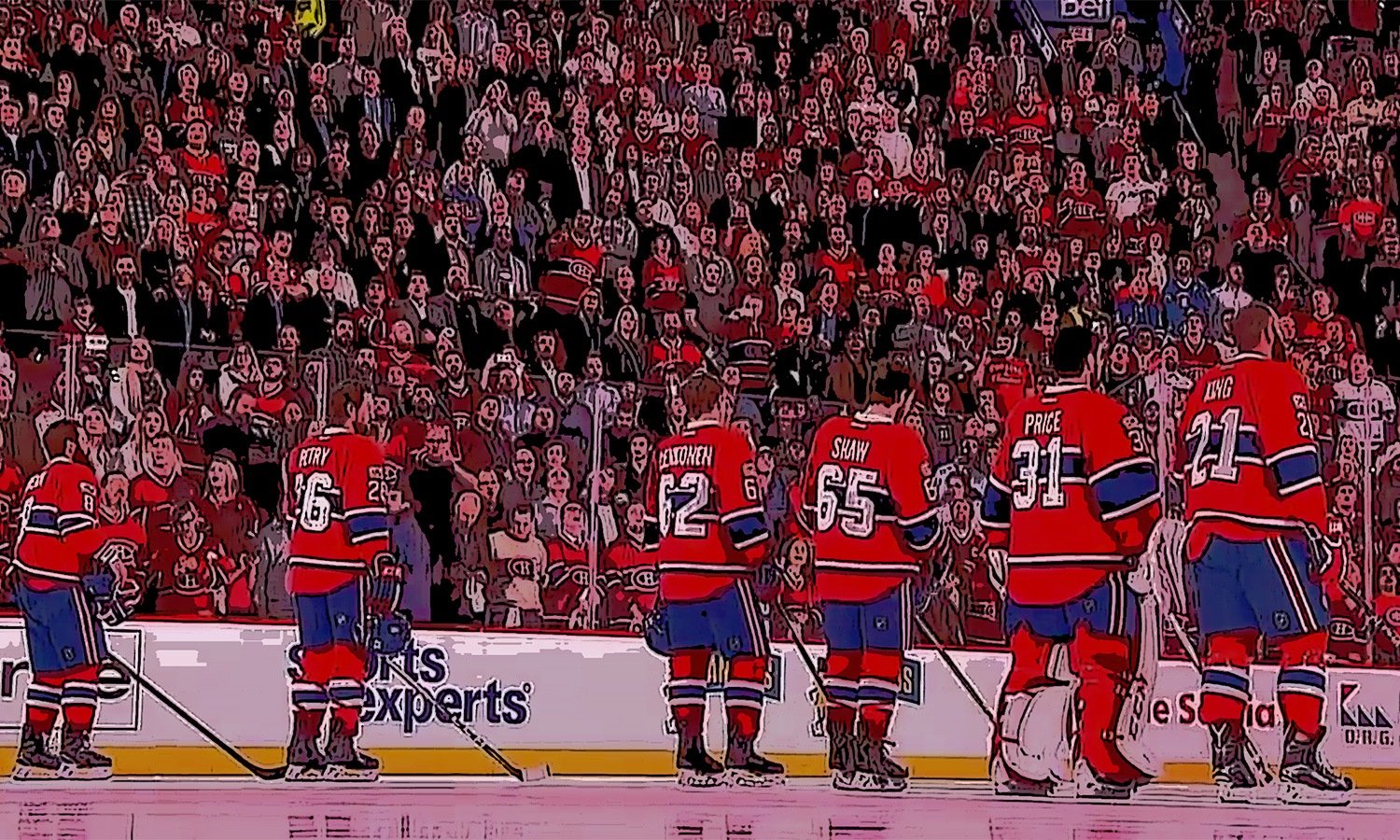
A standard hockey game takes 60 minutes of playing time, divided into three 20-minute periods. However, with intermissions and stoppages, expect the total time to be around 2.5 to 3 hours.
Ever wondered, “how long does a hockey game take?” It’s a common question for newcomers and even seasoned fans. The actual playing time is straightforward, but the total duration involves several other factors.
Games aren’t continuous; they have intermissions between periods that add to the total time. Stoppages for penalties, face-offs, and other gameplay events also contribute. So, while the clock shows 60 minutes of action, your experience at the arena will last significantly longer.

How Long Does a Hockey Game Take?
Okay, so you’re wondering, “How long does a hockey game actually last?” It’s a great question, and the answer isn’t always as simple as saying, “It’s two hours long!” While a standard game has a specific time structure, several factors can make the clock tick a little longer. Let’s dive into all the details to understand the different parts of a hockey game and how they affect the overall game time.
The Basics: Regulation Time
The most important thing to know is that a regular hockey game, whether it’s in the NHL or most leagues around the world, is divided into three periods. Each period lasts 20 minutes. This is called regulation time. So, if we’re just thinking about the time the clock is actually running, that’s 20 minutes x 3 periods = 60 minutes of hockey. Seems pretty straightforward, right? However, that’s just the beginning. That’s only the time when the puck is in play.
Stop Time
Here’s where it gets a little tricky. Unlike some other sports where the clock keeps running even when the ball isn’t moving, hockey uses “stop time.” This means that the clock stops for a number of reasons. If the puck leaves the playing surface, if there is a penalty, or if the play is stopped for other reasons, the game clock pauses. These stoppages of play can dramatically increase the total length of the game. Think of it like this: if you’re running a race, the clock keeps going even when you are tying your shoe, but in hockey the clock stops if the play needs to pause. This makes the time it takes to complete an actual game considerably longer than the straight 60 minutes of play.
Intermission Breaks
In addition to the stop-time, there are also breaks between periods called intermissions. These intermissions are designed to give the players some rest, allow the ice to be cleaned and resurfaced, and give fans a chance to grab a snack or use the restroom. Typically, there are two intermissions, each one lasts around 15 to 18 minutes. That adds quite a bit of time to the whole game experience. So, between periods, you are not looking at any action of the puck. Instead, the players get some rest and you can maybe get a hotdog!
Beyond Regulation: Overtime
Sometimes, when the three periods of regulation time finish, the score is still tied. When this occurs, the game goes into overtime. How long overtime lasts and the specific rules around it can be different based on the level of play.
NHL Overtime
In the National Hockey League (NHL) regular season, if the game is tied after three periods, the teams play a 5-minute, sudden-death overtime period with 3 players on each team (not including the goalies). This means that the first team to score wins the game. If neither team scores during those five minutes, the game goes to a shootout. During the playoffs, however, the overtime period has different rules and the teams play a 20-minute overtime period with 5 players on each team. If the game is still tied after the 20-minute overtime, the teams play additional 20 minute periods until someone scores.
Other League Overtime
Other professional and amateur leagues often have different overtime rules. For example, many leagues use a 5-minute overtime in regular season games with a 3 on 3 format. Other leagues, particularly college leagues in the U.S., may have a longer overtime period. It’s important to note that some leagues may choose to go straight to a shootout if there is a tie after regulation.
Shootouts
If a game is still tied after the overtime period in the regular season, many leagues utilize a shootout. In a shootout, players from each team take turns skating in on the opposing goalie and try to score. It is a high speed, dramatic ending to a game and it is usually a quick way to resolve the tie. A shootout can last anywhere from 5 to 15 minutes depending on how many rounds are needed to determine a winner. However, during the playoffs, most professional leagues will not go to a shootout. Instead, teams will play 20-minute overtime periods, as previously mentioned.
Factors Influencing Total Game Time
Now that we know about the different game parts, let’s look at some of the factors that can cause the game to last a little longer (or sometimes even a little shorter) than expected.
Penalties
Penalties are a big time factor. When a player commits a foul (like tripping, hooking, or interference), they are sent to the penalty box. During a penalty, the other team gets a “power play,” which means they have more players on the ice and an advantage. When there is a penalty, the clock stops until the penalty expires. The power play can last for 2 minutes or 5 minutes depending on the severity of the foul. All of these stoppages can really affect the length of the game.
Injuries
Unfortunately, hockey can sometimes result in injuries. If a player gets hurt, the game clock will stop to allow for medical attention and for the player to be safely moved off the ice. These stoppages can take extra time, and, depending on the severity of the injury, they can add significant amounts to the total game length.
Video Reviews
In most leagues, officials can review certain plays to make sure that the correct call is made. If an official isn’t sure if a goal was scored or if there is a questionable penalty, they can take time to watch it back on video. These reviews can take a few minutes or more, adding additional time to the game. This review is meant to ensure that the game is fair, but it does take up some time.
Commercial Breaks
Just like during other televised sports, TV networks use commercial breaks to sell ad space to make revenue. These breaks happen after a stoppage of play and during intermission. These are generally 1-2 minutes long for stoppages of play and 15-18 minutes long for intermissions. These breaks can add a good amount of time to the overall game experience, but they also give fans a chance to see ads for some cool products!
How To Calculate Total Hockey Game Time
Let’s put all of this information together. A hockey game can vary in length, so here is a guide to consider when calculating total game time:
- Regulation Time: 60 minutes (3 periods x 20 minutes).
- Intermission Breaks: Usually two breaks, each lasting 15-18 minutes (30-36 minutes total)
- Stoppages: Time can vary significantly due to penalties, injuries, reviews, etc. You can generally expect at least 20 minutes for stoppages of play during a game, but this number can be much higher.
- Overtime: 5 minutes for the regular season (usually) or 20 minutes for playoff games.
- Shootouts: About 5-15 minutes if necessary.
So, a standard game could look like this:
| Game Element | Approximate Time |
|---|---|
| Regulation Time | 60 minutes |
| Intermissions | 32 minutes (16 minutes x 2) |
| Stoppages | 25 minutes |
| Total time (without overtime) | Approximately 117 minutes |
As you can see, it’s common for a hockey game to take around two hours and can often go longer depending on overtime and all other factors. It’s important to remember that these are only estimates and the actual game length can change due to many different factors.
Game Length by League
As we have already mentioned, not every league has the same rules when it comes to game length. Here is a simple overview of some popular leagues.
National Hockey League (NHL)
The NHL is the highest level of hockey in North America. As we have already discussed, each game has three 20-minute periods, two intermissions around 15-18 minutes each, and often has overtime if tied after regulation. Including all possible factors, a standard NHL game can last between 2.5 and 3 hours.
American Hockey League (AHL)
The AHL is the primary developmental league for the NHL and has many similar rules. The game has three 20 minute periods with 2 intermissions between periods. AHL games can often go around the 2.5 hour range.
College Hockey (NCAA)
College hockey games also use three 20-minute periods and two intermissions. However, the rules may be a little different regarding overtime and sometimes a league may opt to use a longer overtime period before going to a shootout.
Youth Hockey
For younger players, game lengths can vary depending on the age of the kids. The rules and time of periods can be modified to suit the younger players and allow them to get the most out of their game. Usually there are still three periods but they are much shorter than 20 minutes each.
Why Does it Matter?
Knowing how long a hockey game takes can be really helpful when planning your day! Whether you’re going to the arena to watch a game, or settling in on the couch, knowing that the game will take two to three hours will help you plan your time accordingly. You can also use this information to estimate what time you can expect to be done with the game and can decide how much time you want to spend watching it.
It is also good to have this information so that you can help your friends and family understand the game. This can be helpful if they are unfamiliar with hockey, and they have an understanding of the time commitment to watch the sport.
So, the next time you settle in for a hockey game, you’ll be prepared for the length of the game and understand all the different factors that contribute to how long it will take to watch a game from start to finish.
How long is a hockey game?
Final Thoughts
A standard hockey game consists of three 20-minute periods. These periods are separated by intermissions, usually lasting around 15-18 minutes. Stop-time clock rules mean that actual game time often exceeds the stated 60 minutes.
Taking into account the intermissions and stoppages in play, a typical hockey game can last between 2 to 2.5 hours. So, to answer the question, how long does a hockey game take? it generally falls within that timeframe. overtime in playoffs could make a game go longer though.

