
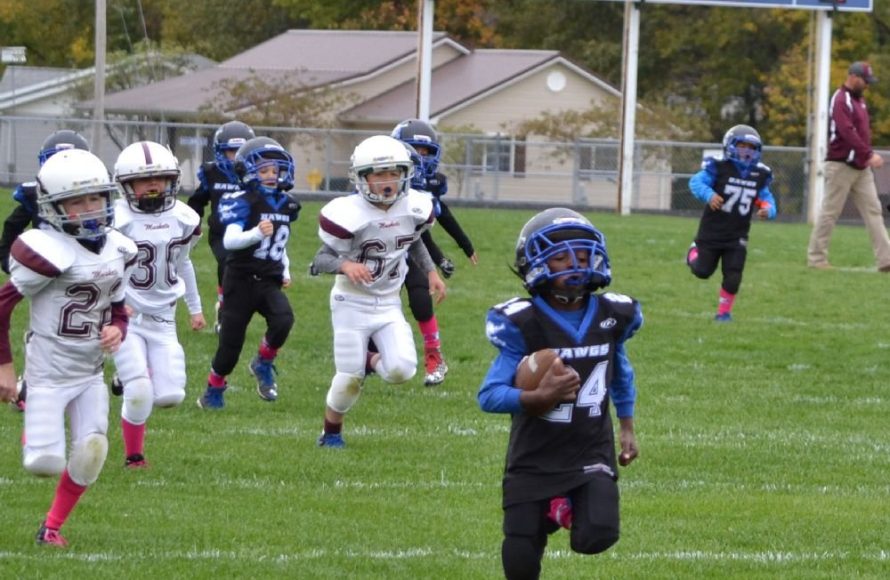
A typical little league football game lasts around 1 to 1.5 hours.
Wondering how long does a little league football game last? It’s a common question for parents and fans new to the sport. The duration isn’t as long as professional games, thankfully!
These games usually have shorter quarters and fewer breaks. This keeps the game engaging for the young players. So, plan for about an hour to an hour and a half at the field.

How Long Does a Little League Football Game Last?
So, you’re wondering how long a little league football game actually takes? That’s a great question! It’s important for players, parents, and even coaches to understand the time commitment involved. Unlike a professional NFL game that can stretch for hours, little league football games are designed to be shorter and more age-appropriate. But “shorter” can still mean different things depending on a few different factors. Let’s dive into the details and explore all the things that impact the length of a game.
Understanding the Basic Structure of a Little League Football Game
Before we get into specific time frames, let’s understand the basic structure of a little league football game. Think of it like a story with different parts. Just like in a book, a game has a beginning, middle, and end. This basic structure is fairly consistent, but the time spent in each part can vary. Generally, a game is divided into the following:
- Quarters: The game is broken into four equal sections called quarters. These are like chapters in a book.
- Halftime: This is a break between the second and third quarters. It’s like a pause in the story.
- Timeouts: Each team gets a certain number of timeouts during the game. These are like short breaks.
- Play Clock: This is the time teams have between plays to get ready. This keeps the game moving.
The Length of Each Quarter
The most significant factor impacting the overall game length is the duration of each quarter. This is where age and league rules make a big difference. Here’s a common breakdown you’ll often see in youth football:
- Younger Divisions (Ages 5-7): These divisions often play shorter quarters, typically around 6-8 minutes each. This helps keep the game engaging and less tiring for the younger kids. This shorter time also helps to keep attention spans focused and encourages fun.
- Intermediate Divisions (Ages 8-10): The quarter length increases to around 8-10 minutes. This slight increase prepares them for longer games as they get older and stronger.
- Older Divisions (Ages 11-14): At this level, quarters can be anywhere from 10 to 12 minutes long, preparing them for the increased intensity of high school level football. The rules are very similar to a high school game, which will also help for the transition.
It’s important to note that these times are just general guidelines. Specific leagues can and do have their own set of rules, so it is always a good idea to check with your local league for their specific game quarter timing and other rules.
The Importance of Halftime
Halftime is a crucial break in the game, usually falling between the second and third quarters. This extended break is much longer than a timeout and serves several purposes:
- Rest and Rehydration: Players get time to rest, rehydrate, and catch their breath. This is vital for player safety and performance.
- Coaching Adjustments: Coaches use this time to talk to their players and make adjustments to their strategy for the second half of the game.
- Bathroom Breaks: Players also get a chance to visit the restroom before heading back out onto the field.
The length of halftime is usually standardized within a league, often lasting from 10-15 minutes, but can be up to 20 minutes depending on the league rules. This is a break that everyone, from players to coaches to fans, appreciates.
How Timeouts Affect the Game Clock
Timeouts are breaks in the game that teams can request for various reasons, like planning a strategy or giving their players a breather. These pauses impact how long the game will last, because when the timeout is called the game clock stops running. Here’s what you need to know:
- Number of Timeouts: Each team usually gets a certain number of timeouts per half or per game. The number varies by league rules, but it’s usually around 2 to 3 timeouts.
- Duration of Timeouts: Timeouts are typically brief, often around one to two minutes each. They don’t add a huge amount of time to the overall game but do contribute to the game clock not running.
- Strategic Use: Teams use timeouts to their advantage. When a team uses their timeout, the game clock will not be running and thus lengthen the time for the whole game. This is an important strategic part of the game to learn.
The Influence of the Play Clock
One of the important factors in how long a game lasts is the play clock. The play clock makes sure the game flows at an appropriate speed and helps reduce long delays between plays. Here’s how it works:
- Time Between Plays: After a play is over, the play clock starts counting down, giving teams a set amount of time to get ready for the next play.
- Typical Clock Length: The length of the play clock varies by league and age group, but is usually around 25-40 seconds, and it is also adjusted based on any rule changes or requests by coaches.
- Impact on Game Time: A quicker play clock ensures that the game keeps moving, while if the play clock is consistently at the upper limits, this will add to the overall game time.
Game Clock Management & “Running Clock”
Sometimes, leagues will implement a “running clock” to speed up the game. Here’s how that works:
- Purpose: A running clock is usually used when one team has a large lead. This keeps the game moving quickly and reduces the total game length.
- How it Works: The game clock only stops for timeouts, injuries, and between quarters, and not for incomplete passes or when a player goes out of bounds. This significantly speeds up the game.
- When it’s Used: Different leagues have different rules for the running clock but usually the game will go into running clock when one team is ahead by a certain number of points like 30 or 35 points, but this rule will vary by league.
Other Factors That Can Extend Game Time
While the main factors mentioned above play a large role in game length, other things can contribute to extra game time. These things are unexpected, but are common in youth sports. Here are a few to be aware of:
- Injuries: If a player gets injured, the game clock stops while the player gets attention. Serious injuries can add time as first aid is administered, or for an ambulance to arrive.
- Referee Conferences: Sometimes, referees need to discuss plays or penalties, which will cause the game clock to stop. This is important for fairness, but it does add to the overall length.
- Weather Delays: If there’s bad weather like heavy rain or lightning, the game may be delayed or even postponed to another date. This will affect the total length of a game in that instance.
- Overtime: In some cases, if the game is tied at the end of regulation, it may go into overtime. Overtime procedures will vary based on the league rules, so knowing your specific rule set is key.
Typical Game Lengths Across Different Age Groups
Let’s put it all together and look at some typical game lengths. Remember that these are estimates, and actual times will vary:
Flag Football
In younger leagues, especially for flag football, games are typically shorter. They can be as short as 45 minutes to an hour, and they have a running clock, so that may reduce game time.
Tackle Football
Here’s a general guideline for tackle football games based on age groups. Again, remember that these times can vary based on league rules, so be sure to check what your specific league rules are.
| Age Group | Quarter Length | Estimated Total Game Time |
|---|---|---|
| 5-7 years old | 6-8 minutes | 1 hour – 1 hour 15 minutes |
| 8-10 years old | 8-10 minutes | 1 hour 15 minutes – 1 hour 30 minutes |
| 11-14 years old | 10-12 minutes | 1 hour 30 minutes – 1 hour 45 minutes |
As you can see, the game length does increase as the children get older, which is done intentionally to help prepare them for the future as they play in older age groups.
Knowing how long to expect a little league football game to last can help you plan your day and enjoy the experience. Remember that many factors can influence the total time, from the length of the quarters to the number of timeouts and other unexpected events. Always check your league’s specific rules, to ensure you are familiar with all the rules for that specific league.
We Need Nationally Televised Little League Flag Football Games 😂
Final Thoughts
Typically, a little league football game lasts between one and a half to two hours. The precise duration depends on the league rules and game flow. Timeouts, penalties, and halftime also affect game length.
Understanding how long a little league football game lasts helps families plan their schedules. These games have shorter quarters than professional football. Thus, the games move quicker.
Therefore, if you’re wondering how long does a little league football game last, expect roughly 90-120 minutes. These games provide great entertainment and are a must-see for supporters.

