
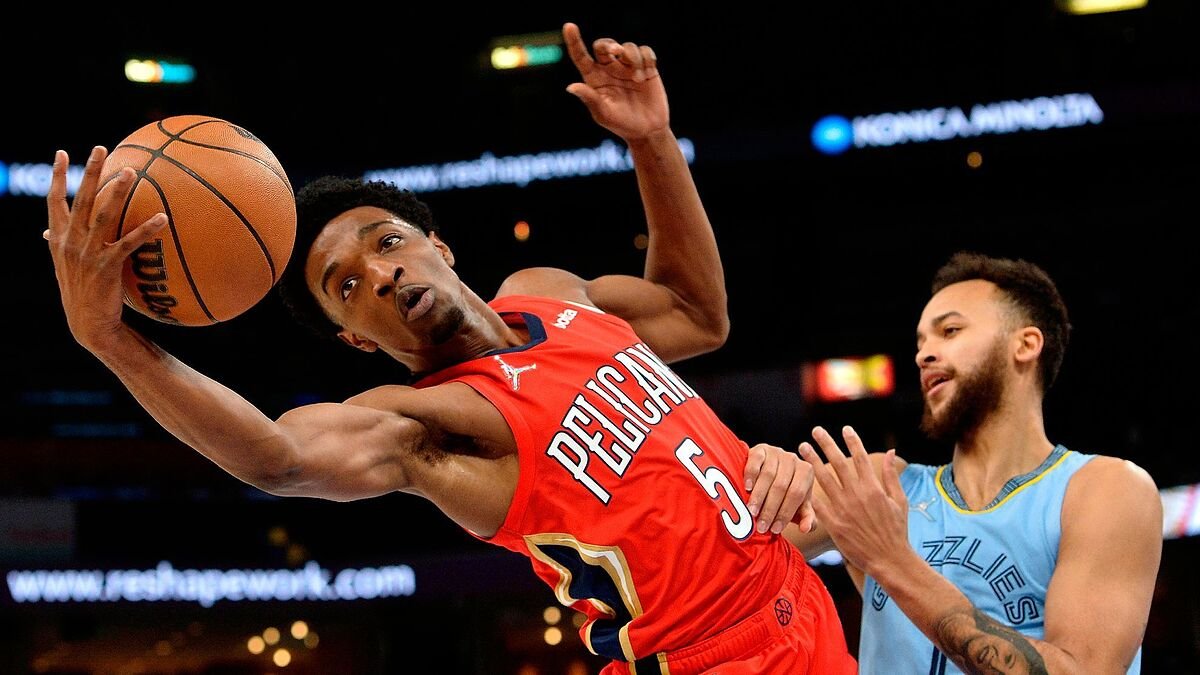
A standard NBA basketball game lasts 48 minutes of playing time, divided into four 12-minute quarters.
Ever wondered, just how long does a NBA basketball game last? It’s a question many newcomers to the sport often ponder. The fast-paced action and constant flow of play can sometimes make it feel shorter, or much, much longer, depending on the tension of the game.
The game clock dictates the actual playing time, but breaks, timeouts, and other stoppages extend the total duration. Most games usually wrap up within a two-and-a-half hour timeframe.

How Long Does an NBA Basketball Game Last?
So, you’re curious about how long an NBA game actually takes? You’re not alone! It’s a common question for both new fans and those who’ve been following the league for years. The answer isn’t as simple as saying “exactly two hours,” because there are quite a few things that can affect the total time. Let’s break it down and explore all the different factors that determine how long you’ll be glued to your seat watching those amazing basketball plays.
The Official Game Clock: 48 Minutes of Play
At its core, an NBA game is made up of four quarters, each lasting 12 minutes. That means if the clock ran continuously, a game would last exactly 48 minutes. However, basketball is a game filled with stops, starts, and strategic time-outs, making the actual game much longer. Let’s dive into what those stoppages are and how they impact the overall game length.
Quarters and Halftime
The primary structure of the game revolves around these four 12-minute quarters. In between the 2nd and 3rd quarters, there is a halftime break. This is a longer break where the teams go back to the locker room, have a discussion, and also make any needed changes. Halftime usually lasts for about 15 minutes and this is not included in the total 48 minutes of the game.
- First Quarter: 12 minutes of game clock time.
- Second Quarter: Another 12 minutes of action.
- Halftime: A 15-minute break.
- Third Quarter: 12 more minutes of game time.
- Fourth Quarter: The final 12 minutes of regulation time.
Time-Outs: Strategic Breaks in Play
Teams use time-outs as a strategic method to rest players, adjust their game plan, or stop the momentum of the other team. Both teams are allowed a certain amount of time-outs each game. These time-outs add time to the game clock because the clock pauses while the teams are discussing.
- Each team gets 7 time-outs per game.
- Time-outs can vary in length, but they are typically about 1 minute 15 seconds long.
- A full time-out during a tv broadcast is about 1 minute and 45 seconds.
- If both teams have 2 time-outs left with 2 minutes left in 4th quarter they are allowed to use a total of 3 time outs in that last two minutes of 4th quarter.
Fouls: Halting the Action
When players commit fouls, the game clock stops. Depending on the type of foul, either the player gets to take free throws or the ball is given back to the other team at a certain spot, usually the sidelines. Free throws will add a good amount of time to the game. The number of fouls and free throws can drastically affect the total game time.
- Fouls stop the game clock.
- Free throws take time to complete.
- The more fouls a team commits, the longer the game will take.
Injuries: Unforeseen Delays
Injuries are an unfortunate part of sports. If a player gets injured on the court, the game clock stops while the medical staff attends to the injured player. The length of this stoppage will depend on the severity of the injury, making it an unpredictable factor in game length.
- Injuries cause unexpected delays.
- The severity of the injury will determine how long the game is paused for.
Instant Replay Reviews: Getting It Right
In recent years, NBA games have been including the use of instant replay to help make sure that the calls are fair and right. When a referee makes a call that’s uncertain, or when a coach challenges the call, the play may go to an instant replay review. The game clock is paused during this time, which will further extend the total game time.
- Instant replay stops the game to review calls.
- Each review adds some time to the overall game.
Overtime: When the Game Goes Extra
What happens when the score is tied at the end of the 4th quarter? Then the game enters into overtime! An overtime period lasts for 5 minutes. If the game is still tied after the first overtime, there is another overtime period for 5 minutes, and so on until one team wins. Overtime periods will add to the total game time.
- Overtime periods are 5 minutes long.
- There can be multiple overtime periods in a single game.
- Overtime can substantially increase the length of a game.
Commercial Breaks: The TV Factor
If you are watching the game on TV, there are commercial breaks to consider. These are another large factor in the length of a game. TV networks use commercial breaks to generate revenue by showing advertisements. A TV broadcast will include different commercial breaks such as at the end of each quarter, during time-outs, and even during instant replay. These commercial breaks will add considerable time to the game.
- Commercial breaks add time to the broadcast.
- They occur between quarters, during timeouts, and other stoppages.
- TV broadcasts take longer than attending a game in person.
The Pace of Play: A Game-Specific Factor
Even though the game clock is 48 minutes, the pace of play can vary between teams. A team that likes to slow the game down, usually the defense-oriented teams, will cause a game to take longer than a fast-paced offense-focused team. The total game time can vary depending on these strategic decisions. The style of play between different teams is something that can affect the game time.
- A slower pace can add to the game length.
- A faster pace might mean a slightly shorter game.
- Each game can be different depending on team styles.
Pre-Game and Post-Game Activities
Don’t forget to account for some pre and post game activities that are not included in total game time. For example, there can be warm-ups, introductions, and post game interviews that might add to your overall time in the arena or watching tv. However, these are not considered as a part of the total game length.
- Pre-game warm-ups add time.
- Post-game interviews happen after the game ends.
- These don’t count towards the official game time.
Average Game Length: What to Expect
With all these factors in play, it’s hard to pinpoint an exact duration for an NBA game. However, we can give an average length. On average, most NBA games usually last around 2 to 2.5 hours. Some games can be shorter than two hours and some games can be over three hours depending on many factors. If there are overtime periods, then the games will be much longer than the average time. Also, tv broadcasts will be longer than the actual game time.
Factors Influencing Total Game Time
Let’s recap some key elements that play a big role in how long an NBA game actually takes:
- Number of Time-Outs: More time-outs means more pauses in the game clock.
- Number of Fouls and Free Throws: Frequent fouls and free throws will add to the total time because the clock stops.
- Injuries: Unfortunately, injuries will add to the game time.
- Instant Replay Reviews: Replay reviews can extend the game length.
- Overtime Periods: If the game goes into overtime, it will be much longer.
- TV Commercial Breaks: TV broadcasts will be significantly longer than the actual game time.
- Pace of the Game: The team’s style of play can vary the overall game time.
How to Enjoy the Game, Regardless of Length
While knowing the average game length can help you plan your night, the most important thing is to enjoy the action on the court. Basketball can be an exciting sport filled with amazing athleticism, incredible plays, and nail-biting finishes. Whether the game is 2 hours or 3 hours long, sit back, relax, and enjoy the exciting display of the NBA!
With all the stoppages, it’s easy to see why a 48-minute game can stretch to over two hours. So, when you’re tuning in or heading to the arena, remember that it’s not just 48 minutes of play; it’s an experience! From the thrilling moments to the breaks in between, it’s all part of the game we love.
MAVERICKS at GRIZZLIES | FULL GAME HIGHLIGHTS | January 6, 2025
Final Thoughts
A typical NBA game lasts 48 minutes of play, divided into four 12-minute quarters. However, with timeouts, halftime, and other stoppages, the total duration extends significantly.
Expect an average NBA game to take around two to two and a half hours. Overtime periods add additional time, if necessary.
So, to answer the question of ‘how long does a nba basketball game last’, plan for a minimum of two hours, but possibly longer. The actual game duration can fluctuate.

