
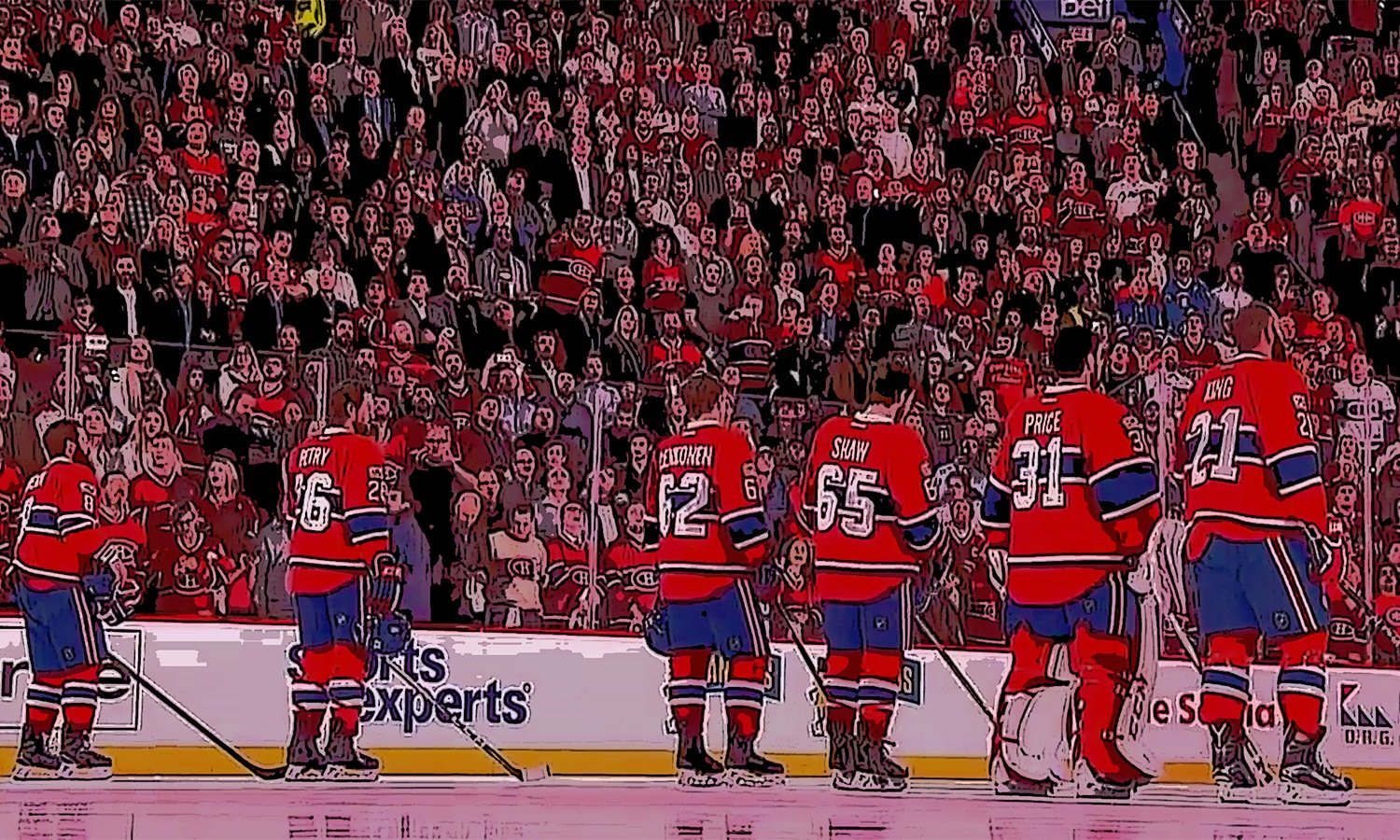
An NHL game typically takes around 2.5 to 3 hours to complete.
Ever wondered how long does a NHL game take? It’s a question many first-time viewers, or even seasoned fans who’ve lost track of time, find themselves asking. Games, filled with action and excitement, seem to fly by.
But there is a definite timeframe, generally speaking. So, next time you plan an evening around watching hockey, you can plan accordingly and know when to expect the game to finish.

How Long Does an NHL Game Take?
Alright, hockey fans, let’s dive into the exciting world of NHL game times! You know, sitting on the edge of your seat, cheering for your team, it’s easy to lose track of time. But have you ever wondered exactly how long an NHL game actually takes? It’s more than just the three 20-minute periods you see on the clock. There are breaks, stoppages, and a whole bunch of other things that can affect how long you’ll be in the arena or glued to your TV screen. So, let’s explore everything that makes up the length of a National Hockey League game.
The Standard NHL Game Clock
At its core, an NHL game has three periods, each lasting 20 minutes. These periods are when the players are skating, passing, and shooting! It’s where the main action happens. Think of it like three little movies all rolled into one exciting game. The game clock counts down from 20:00 to 0:00 in each period. When the clock reaches zero, the period ends. But, here’s the important thing, this 20 minutes is what we call “playing time.” It’s not how long the period actually lasts.
Intermission Breaks: More Than Just a Pause
After each period, there’s a break called an intermission. These aren’t just a quick timeout to grab a snack. They are important parts of the game. The intermissions are 17 minutes long between the first and second periods and between the second and third periods. These breaks allow the players to rest, rehydrate, and regroup before heading back out onto the ice. It gives them a chance to hear any adjustments the coach wants to make. For fans, it’s a chance to get up and stretch, or visit the concessions stand. This time is also used for ice maintenance. Think of it as a pit stop for the hockey rink!
Stoppages in Play: When the Clock Stops
The game clock isn’t always running during those 20 minute periods. The clock actually stops quite a bit in a regular hockey game. Here are some main reasons why the clock stops:
- Puck Out of Play: When the puck goes out of bounds or gets frozen against the boards, the clock stops. The ref has to get the puck back in play.
- Penalties: If a player breaks a rule, they get a penalty and the clock is paused.
- Goals: Every time a goal is scored, the clock stops for a bit while the players celebrate and the ref makes sure it’s official.
- Icing: When a player shoots the puck from behind their own halfway line all the way to the other team’s goal line without being touched by anyone.
- Offsides: When an offensive player goes into the zone before the puck.
- Injuries: If a player gets hurt, the clock stops so medical staff can help.
- TV Timeouts: These are scheduled breaks that occur every couple of minutes and are for commercials.
- Referee’s Whistle: If the referee has to blow the whistle for any reason, the clock pauses.
These stoppages make the game much longer than just 60 minutes (three 20-minute periods). They are a part of hockey. They give everyone a little time to catch their breath. They also make the length of a game a little unpredictable.
The Real Time: How Long Does a Game Really Take?
Okay, so we know the game has 60 minutes of playing time. We also know there are two 17-minute intermissions. But we’ve seen that there are also many stoppages in the game. So with all those added into the mix how long does the average NHL game take? Typically an NHL game takes between two and a half to three hours to complete. That’s more than just the playing time. This time includes all of the intermissions, all the stoppages we talked about, and also the time it takes for everything to get set up. The total time will depend on how many stoppages happen in the game.
Factors that Affect Game Length
Certain game situations can make a game run longer than average. Here are a few:
- Lots of Penalties: If the players are making lots of penalties that will increase the time it takes for the game to be played.
- Many Stoppages: Many stoppages in play, for any reason, will increase the length of the game.
- Overtime: If the game is tied at the end of the three periods, the game goes into overtime. Overtime will add more time to the game. A regular season overtime is five minutes of three-on-three hockey. The playoffs however are different. The playoffs have 20 minute periods of overtime, until a goal is scored. If overtime in the playoffs is necessary, it can make the game extremely long.
- Playoff Games: Playoff games tend to have more stoppages. Players are more likely to be fighting for the puck. This means more stoppages and more time in total.
How Overtime Impacts Game Length
When the final buzzer sounds and the score is all tied up, a sense of excitement and maybe a touch of dread fills the arena. Overtime is a wild card in hockey and it significantly impacts the total game length. During the regular season, the overtime is a sudden-death format. Meaning, the first team to score a goal wins the game. This overtime is a five-minute period of 3-on-3 hockey. It can end very quickly, but those 5 minutes can also be exciting and filled with plenty of back and forth action. In the playoffs, however, the overtime rules change drastically. Playoff overtime periods are full 20-minute periods, the same as regular periods, and they continue until someone scores. This means if the game is tied, another full 20 minute period is played. If there is no score, another period is played, and so on. These long playoff overtime periods can drastically impact how long an NHL game takes. These overtimes have gone into two, three and even more periods to decide the winner of the game. This means a playoff game can end up taking well over three hours to complete.
Game Day Schedules and Planning
Knowing how long an NHL game takes is important for making plans around the game. Whether you’re heading to the arena or watching from your couch, it’s helpful to have an idea of how long you’ll be occupied. If you’re going to the arena, planning your travel, parking, and meal times all becomes important. If you are watching from home, understanding the game length will help you make sure you have time to do what you need.
Other Factors to Consider
While the rules and regulations try to keep the game on schedule, sometimes, unexpected things can happen during a game. Here are a couple things to consider:
- Ceremonies: Sometimes, special ceremonies before a game, like a player retirement or special event, can add a few minutes before the start of the game.
- Equipment Malfunctions: Sometimes, equipment malfunctions occur that cause the game to be delayed. These are usually fixed in a matter of minutes.
- Extensive Video Reviews: A goal that goes under review can also extend the time it takes for the game to continue.
Quick Reference: NHL Game Time Breakdown
To make it simple, here’s a quick breakdown of the typical time involved in an NHL game:
| Item | Typical Time |
|---|---|
| Playing Time | 60 minutes (3 periods of 20 minutes each) |
| Intermissions | 34 minutes (two 17-minute breaks) |
| Stoppage Time | Varies, can add 45 minutes to an hour depending on events |
| Regular Season Overtime | 5 minutes or until the first goal is scored |
| Playoff Overtime | 20 minute periods until the first goal is scored. |
| Total Game Time | 2.5 to 3 hours on average |
As you can see, there’s a lot more than just 60 minutes of playing time involved in an NHL game. The stoppages and intermissions help make the game more exciting and give everyone a chance to catch their breath. Now you know why an NHL game usually takes between two and a half to three hours to complete!.
How Do Crews Prepare Ice For NHL Games?
Final Thoughts
An average NHL game lasts approximately 2.5 to 3 hours. This includes the three 20-minute periods of play, intermissions, and potential overtime. Several factors such as penalties and stoppages can extend the game duration.
The actual game clock runs for 60 minutes of regulation time. The clock stops often for face-offs, goals and other plays. Therefore, a broadcast will always be longer than the 60 minutes.
So, how long does a nhl game take? Expect to dedicate around 3 hours for a standard game. This time includes stoppages and breaks.

