
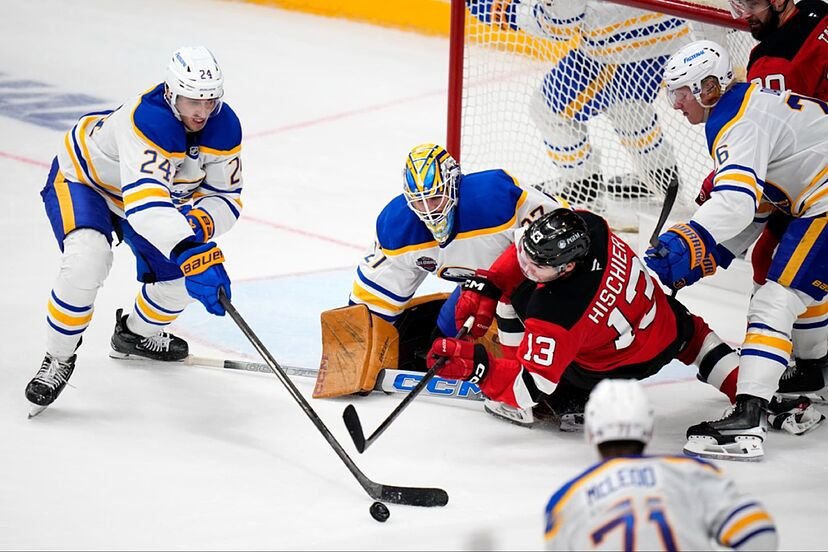
A standard pro hockey game typically lasts about 2.5 to 3 hours, including intermissions.
Ever wondered how long does a pro hockey game last? It’s a common question for both new fans and those who want to plan their evening around a game. The actual playing time is 60 minutes, divided into three 20-minute periods.
However, those periods are not consecutive; there are breaks in between. You need to factor in the intermission periods between each of those periods. These breaks allow for the players to rest and the ice to be prepped, contributing to the total game duration.

How Long Does a Pro Hockey Game Last?
Ever wondered just how long you’ll be cheering for your favorite hockey team? It’s a great question, because a professional hockey game isn’t a quick sprint; it’s more like a marathon on ice! Unlike some sports with set clock times, hockey has a few extra twists and turns that can affect the final whistle. So, let’s break down what makes up the typical length of a pro hockey game and what factors can cause the game to run a little longer.
The Standard Game Clock: Three Periods of Action
At its core, a professional hockey game is divided into three periods. Each period is 20 minutes long. That sounds pretty straightforward, right? Well, it’s not quite that simple. The game clock counts down when the puck is in play. But every time there’s a stoppage, like when a player commits a penalty, the puck goes out of bounds, or a goal is scored, the clock stops. This means that while a game might have 60 minutes of playing time, it often takes much longer to play all three periods.
Why the Clock Stops
Let’s look at some of the main reasons why the clock stops during a hockey game. Understanding these stoppages gives you a better feel for how the game’s length can vary.
- Penalties: When a player breaks a rule, they go to the penalty box. This stops the clock, and the other team gets a power play.
- Puck Out of Play: If the puck leaves the playing surface, the clock stops while the officials get a new one.
- Goals: When a team scores, play stops while they celebrate and get ready for the next face-off.
- Icing: If a player shoots the puck from behind their own center red line all the way to the other team’s goal line without it being touched by another player, it’s called icing. Play stops and the puck goes to the other end.
- Offsides: An offside occurs when an offensive player enters the attacking zone before the puck. This will cause the play to be whistled dead and for a face off to be conducted.
- Timeouts: Each team gets one timeout per game. When they use it, the clock stops.
- Injuries: If a player gets hurt, the clock stops while the medical staff attends to them.
- TV Timeouts: In many pro leagues, there are scheduled commercial breaks throughout the periods. This also stop the clock for a short amount of time.
Beyond the Regulation Time: Overtime and Shootouts
What happens if, after those three periods, the score is tied? That’s where things get interesting and can add more time to the game! When the score is tied at the end of the regular game in most professional leagues, they go into an overtime period to decide a winner. The rules for overtime vary across different leagues.
Overtime Formats in Different Leagues
Here’s a breakdown of how overtime usually works:
National Hockey League (NHL)
In the NHL regular season, overtime is a sudden-death format with 3-on-3 play for a maximum of five minutes. This means that the first team to score wins. If no goal is scored in those five minutes, the game goes to a shootout. In the NHL playoffs, overtime periods are still sudden death; however, teams play 5-on-5 for 20-minute periods, with breaks in between the periods.
Other Professional Hockey Leagues
Other professional leagues might have different approaches. Some could use 4-on-4 overtime formats, or 5-on-5 overtime formats with different time limits. It’s important to remember that overtime formats are different depending on the level of play or the league’s specific rules.
Shootouts: A Dramatic Finish
If there’s still a tie after the overtime period during the regular season (NHL, some European leagues), the game ends in a shootout. During a shootout, each team takes turns sending players out for one-on-one breakaways against the opposing goalie. The team that scores the most out of a certain number of rounds (usually 3) wins the game. Shootouts add another element of excitement and extend the overall game time, although they are a relatively quick method to determine the winner. The shootout is used during the regular season, and is not used during the playoffs for the NHL.
Factors That Affect Game Length: What Can Make a Game Run Longer?
Now that we have covered the basics, let’s look at some things that can really impact the total time of a hockey game.
Number of Penalties
A game with many penalties tends to be much longer. Each penalty stop the clock, and some penalties can also lead to power play opportunities, where teams can control the puck for an extended period. Lots of penalties mean more stoppages and more potential for extra time spent on the power plays.
Number of Goals
While goals are exciting, they also cause the clock to stop. Every time there’s a goal, there’s a brief pause for the celebration and a face-off to get back in play, which stops the clock. More goals often lead to a lengthier game.
Injuries
Injuries are an unfortunate part of any sport, and hockey is no exception. When a player gets injured, the game is stopped while the player receives medical attention. Depending on the seriousness of the injury, this can add minutes to the overall game time.
Video Reviews
In modern hockey, video reviews are used to make sure that goals are legitimate and to review other crucial moments. These reviews add time to the game, as officials have to watch replays to make the right call. The time spent on video reviews depends on how complex and unclear the situation is.
Close Games
Games that are very close in terms of score tend to be longer. Teams tend to play with more intensity, and close games tend to see more penalties, and lots of chances on the net. The intensity and stakes of close games lead to more stoppages as well as more overtimes.
Playoff Games
Playoff games usually go for a much longer time than a regular season game. In the playoffs, teams are battling to advance in the tournaments, this leads to higher intensity, greater stakes and greater desire to win. These games see greater focus and intensity, therefore they have more penalties, more stoppages, and very high likelihood of going into overtime. The NHL, for example, sees multiple overtime periods in some of its playoff games, which can add an hour or even more to the overall length.
Average Total Time of a Pro Hockey Game
So, given all these factors, what’s a typical length for a pro hockey game? While the game has 60 minutes of playing time (three 20-minute periods), it typically takes about 2 to 2.5 hours to complete. However, games can range from just under 2 hours to over 3 hours, depending on the flow of the game, the amount of stoppages and whether the game goes into overtime. Playoff games can even go longer than 3 hours depending on the number of overtimes, or if the game goes into multiple overtimes.
Understanding Game Length Variance
The length of a hockey game varies significantly due to several factors. A game with few penalties, goals, and no major stoppages can be much shorter than a game with many of them. For instance, a game that runs for a long time might see lots of penalties, multiple reviews, or a back-and-forth exchange of goals. It is important to note that the game with fewer stoppages will run much shorter than a game with a lot of stoppages.
Also, the presence of overtime makes it much harder to anticipate the overall length of a game. An overtime period can be decided quickly or it can go on for a very long time as the teams battle to win. If the game goes into multiple overtimes, then it will take a significant amount of time for a winner to be decided.
Planning for a Hockey Game
Given that there are many factors that affect the length of the game, it’s very hard to plan for an exact end time for any hockey game. If you’re planning to go to a game, or watch it on TV, it’s a good idea to allow for a longer window of time. Plan on at least 2.5 to 3 hours for a game, and more for playoff games. This helps so that you are not left in a situation where you have to leave before the game ends because of other scheduling commitments. A safe bet is to always have a cushion of time when you plan to attend a hockey game.
Overall, understanding the way hockey is structured and the different elements that can lead to stoppage time can help you better understand why a hockey game might take longer than expected. The game has a lot of twists and turns, and that’s what makes it very exciting to watch! Whether it’s the fast pace of play, or the tense moments during overtime, there is always something that keeps the fans on the edge of their seats. Next time you watch a game, you’ll have a better idea of why it’s taking a bit longer than you expected.
The Rules of Ice Hockey – EXPLAINED!
Final Thoughts
In essence, a standard professional hockey game, specifically in the NHL, lasts for 60 minutes of play. This breaks down into three 20-minute periods. However, stoppages in play for penalties, icing, or goals extend the total time.
Therefore, while the clock shows 60 minutes of action, the average time including intermissions comes to around two and a half hours. So, how long does a pro hockey game last? The full duration is typically close to this window of time.

