
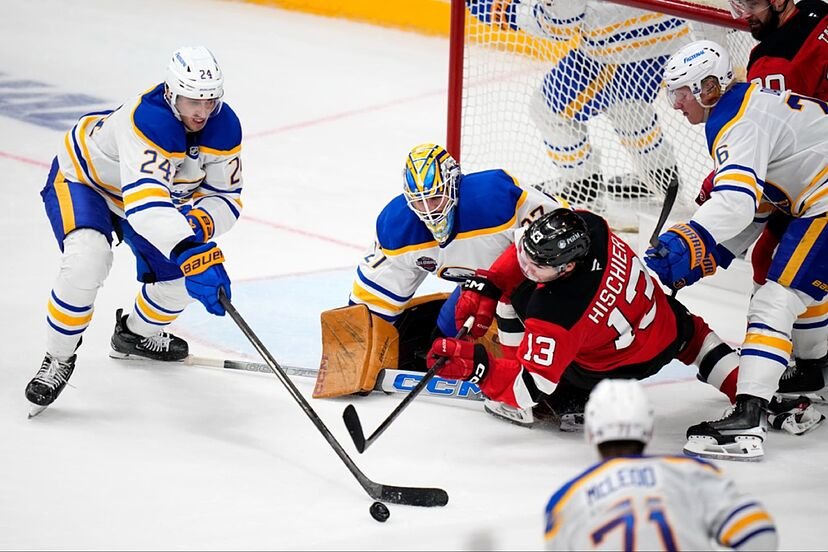
A professional hockey game typically lasts for 60 minutes of playing time, divided into three 20-minute periods.
Ever wondered how long does a professional hockey game last? It’s a common question for new fans. The clock keeps ticking as players battle on the ice, but it’s more complex than just an hour.
The game is structured into three distinct periods. Each period runs for 20 minutes of actual gameplay. This makes up the core of a match.
However, stoppages for penalties, puck out of play, and intermissions extend the overall time. So, a game can easily run longer than 60 minutes.

How Long Does a Professional Hockey Game Last?
So, you’re curious about how long a professional hockey game lasts? It’s a great question, and the answer isn’t always as simple as a quick number. While the game clock shows a specific amount of playing time, there’s more to it than just those 60 minutes. Let’s dive into all the details that determine how long you’ll be watching the puck fly!
The Core of the Game: Regulation Time
The main part of a professional hockey game is called “regulation time.” This is where the official game clock plays a big role. In most professional leagues, like the National Hockey League (NHL), a regulation game consists of three periods. Each period is 20 minutes long. That means, if you just added the periods together, you would get 60 minutes of playing time. However, this doesn’t mean the whole game is just an hour long! There’s more to consider.
Breaks Between Periods
Between each of the three periods, there are breaks. These breaks are called “intermissions.” In the NHL, intermissions are typically 17 minutes long. This gives the players a chance to rest, the ice crew a chance to resurface the ice, and the fans time to stretch their legs or grab a snack. So, when we add the two intermissions to the 60 minutes of playing time, we’re already going way beyond one hour! We are now looking at total time of 94 minutes (60 minutes play time + 34 minutes intermission). But wait, there’s still more! The actual clock time can vary quite a bit.
Clock Stoppages During Play
One of the biggest things that makes a hockey game last longer than 60 minutes is the many times the game clock stops during play. Unlike a clock in, say, soccer, which keeps running almost constantly, the hockey clock stops quite frequently. This is especially true when the puck leaves the playing area, a penalty is called, or there is an injury on the ice.
Here are some common situations that cause the clock to stop:
- Puck Out of Play: When the puck goes out of the playing area, the clock stops. The referee has to blow his whistle and stop the time until the play is ready to resume.
- Penalties: If a player commits a penalty, the clock stops while the referee is deciding on what type of penalty it is and then the penalized player goes to penalty box.
- Face-offs: When the play stops, a face-off happens. There’s a brief stop in the clock when the referee drops the puck to restart the game.
- Injuries: If a player is injured, the clock will stop so that the medical staff can tend to the player.
- Goals: Anytime a goal is scored, the game clock stops, and is restarted after the players and referee are ready.
All these stoppages can add a lot of extra time to the total length of the game. While there is no exact amount for each game, these delays typically stretch a game from the minimum 94 minutes to about two and a half hours to three hours.
Overtime: When Games Go the Distance
Sometimes, after the end of the 3 periods of regular time, the game is still tied! This means the game has to continue, and we enter into overtime. This is one of the most exciting parts of hockey, where one goal determines the winner. Now, the format for overtime can differ depending on the league.
NHL Overtime Rules
In the NHL, the overtime format during the regular season has changed quite a bit over time. Currently, if the game is tied after three periods, there is an additional 5-minute overtime period. This period is a sudden-death period, meaning the first team to score wins the game. There are only three skaters and one goalie for each team on the ice during this overtime period. This creates more space and opportunity for players to score. If no one scores in those 5 minutes, the game ends in a tie, and each team gets one point, with a shootout being used in the regular season. Overtime is a big reason why some games take much longer to complete!
NHL Playoff Overtime Rules
The playoff overtime in the NHL is quite different from the regular season. In playoffs, it is not limited by a 5-minute period. When the regular time ends tied, there is a full 20 minute period of overtime played. If there is no goal scored in that 20 minute overtime period, then they continue into another 20 minute overtime period, playing another full 20 minutes of overtime. The game continues like this until one team scores a sudden death goal and wins the game. These playoff games can be very lengthy, and at times, go into triple, quadruple, or even more overtime periods.
Other League Overtime Formats
Not all hockey leagues use the same rules for overtime. Some leagues use different lengths of overtime, different numbers of players on the ice, and sometimes, no shootouts. The length of an overtime is very important to the total length of any game.
Factors Influencing Game Length
Besides the basic periods and breaks, many other factors can make a game longer or shorter. These factors can be unpredictable, which is part of what makes watching hockey so interesting. So, what are some of these things that can change how long a game takes?
Number of Penalties
Games with a lot of penalties can take much longer. Each penalty results in a stoppage of play, plus the time for the penalized player to go to the box and time for the power play. These can add a considerable amount of time to the game clock.
Number of Goals
Each time a goal is scored, the game is stopped and time is spent for celebration. While this can just be a brief stoppage, all these stoppages can add up and increase overall game length. High-scoring games may run longer than low-scoring ones just due to the number of times the clock is stopped to restart the game after a goal.
Injuries
Injuries to players can also increase game time. If a player is hurt on the ice, medical staff will need to enter the area. This can cause a lot of stoppage time and extra delays. Especially, serious injuries can add significant delays to the game length.
Video Review
When a play is in question, the referees might take time to look at a video replay to make sure they made the right call. These reviews can pause the game for several minutes, and make the game longer overall.
Equipment Issues
Sometimes players can have equipment issues. They could have a broken skate blade, a loose piece of equipment, or some other issue. The game will stop while they fix it or replace the broken item. All of these small incidents can add time to the game length.
Average Game Length
While it’s not an exact science, we can talk about some average times you can expect for a professional hockey game. As we have seen, there is lots of variations to how long a game could be. Most often, in the NHL, the game ends up being around two and a half hours to three hours. When there’s overtime involved, especially in the playoffs, you should plan for the game to go much longer!
Here’s a simple breakdown:
- Standard Game (No Overtime): Usually between 2.5 and 3 hours.
- Regular Season Overtime: Could add another 5 to 15 minutes on top of the regular game time.
- Playoff Overtime: Could add anywhere from 20 minutes to a lot of hours, depending on how many overtime periods it takes to find a winner.
Remember, these are just averages. Each game has its own pace and unpredictable situations. Some games could be completed in just over two hours, while others with multiple overtimes could run past four hours!
So, How Long Should You Plan For?
If you are planning on watching a hockey game, it’s good to plan for about three hours, but with some flexibility. If it’s a playoff game, or if there are two teams that tend to have a lot of penalty calls, it’s best to plan for even longer. It’s always best to have a little extra time just in case. You certainly don’t want to miss the end of an exciting game because you had to leave!
Enjoy the game!
The Rules of Ice Hockey – EXPLAINED!
Final Thoughts
A typical professional hockey game lasts 60 minutes, divided into three 20-minute periods. However, stoppages for penalties, pucks out of play, and intermissions add significant time. Therefore, a game frequently extends beyond that.
Overtime and shootouts further increase game duration when there’s a tie. How long does a professional hockey game last? This is a common question; expect roughly 2.5 to 3 hours for a complete match.

