
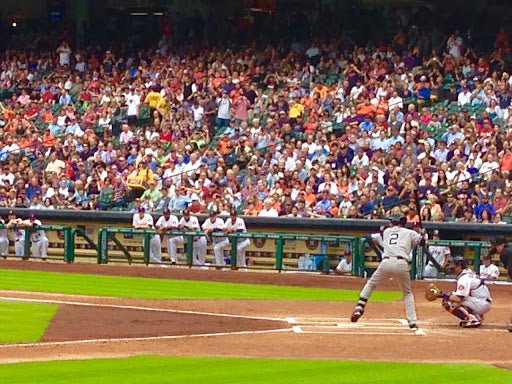
A typical softball game lasts around 1.5 to 2 hours, though this can vary based on the league and any extra innings played.
Ever wondered how much time you should set aside when heading to the ballpark? It’s a common question, especially if you’re trying to plan your day. So many people ask, exactly how long does a softball game last, and the answer isn’t always crystal clear.
The duration of a game can depend on several factors, such as the age of the players and specific rules governing that particular league. Weather delays can also push game times further.

How Long Does a Softball Game Last?
Okay, so you’re wondering how long you’ll be sitting on the bleachers, cheering (or maybe just trying to stay awake!) at a softball game. It’s a fair question, and the answer, like many things in life, isn’t always super straightforward. The length of a softball game can vary, and it depends on a few key things. Let’s dive into what makes these games tick and how those factors affect the game clock, or rather, the lack of a game clock!
The Basics: Innings, Not Timers
Unlike some sports that have a set game time, softball operates on a system of innings. Think of an inning like a chapter in a book. Each inning has two halves: the top and the bottom. During the top of the inning, one team bats while the other team plays defense. Then, in the bottom of the inning, the teams switch roles. A typical softball game goes for 7 innings. That’s the standard for many levels of play, from high school to college and even some adult leagues.
Different Levels, Different Rules
The main thing that will impact the duration of a game is the level at which the game is being played. Just like there are different size soccer goals for kids versus adults, there are different rules, and yes, different potential game lengths for different age groups in softball. Here’s a quick look at the variations:
- Youth Softball (8 and Under): These games are often shorter, and while they are supposed to play 6 innings, coaches and umpires might cut the game short at 1 hour and 15 minutes to 1 hour and 30 minutes. These younger players need shorter time frames to keep their attention, and to allow for fair play.
- Youth Softball (10 and Under): Here, the game length gets closer to a full game. You can usually expect 6 innings, but again, time limits are common. Expect game lengths of between 1 hour 30 minutes and 1 hour 45 minutes. Some leagues will move to 7 innings, depending on the rules.
- High School Softball: High school games are the standard 7 innings. A typical game will be closer to a 1 hour and 45 minutes to 2 hours and 15 minutes. Some games can be shorter or longer depending on the skill level of the teams playing.
- College Softball: College games also use 7 innings, but can be a bit longer due to breaks, more advanced strategy, and the need for commercial breaks when broadcast on TV. Games are about the same in length to high school, but if there is an extra innings, it can add considerable time.
- Adult Softball: Adult softball often follows the 7-inning rule, but in some recreational leagues, they might have shorter games or time limits, to accommodate working schedules or field availability. Adult games vary, often lasting between 1 hour and 30 minutes to 2 hours, depending on the specific rules of the league.
The Pace of Play: What Slows Things Down (or Speeds Them Up)
Even when we know the number of innings, the actual time a game takes can still move around. Think of it like driving in the city: you can travel at a set speed, but red lights (or in our case, factors during the game) can make the trip longer. Here are some factors that can influence how long a game lasts:
Offensive Efficiency
How quickly teams get players out on offense (or how long each batter is at the plate) has a big effect on the game’s overall length. If a team hits well and doesn’t make many outs, the game might finish faster. But, if a lot of batters are taking many pitches, then it can considerably lengthen the game. Games with a lot of hits and walks tend to be longer, because each at-bat takes a bit more time to unfold.
Defensive Mistakes
Defensive errors like dropped balls, missed catches, or bad throws can also add time to a game. Each error means batters can stay on base longer and means the inning may not end quickly. Just like errors lead to additional time, so too does a game with very good defensive play. If the defense is sharp, the inning will finish quicker.
Pitching Pace
The speed at which a pitcher works is also a factor. A fast-working pitcher can get through innings quickly, whereas a pitcher who takes a lot of time between pitches can draw out the game. A pitcher that is accurate, can work quickly, while a pitcher with control issues may take more time.
Extra Innings
Sometimes, after seven innings, the game is still tied. When that happens, teams play extra innings until a winner is determined. Each extra inning will add additional time. An extra inning may last 10 to 20 minutes, depending on how many players get on base, and how the teams are hitting.
Mercy Rules
Mercy rules are put into place to prevent lopsided games from going on forever. They help to protect player safety and prevent games from becoming demoralizing for teams. They’re also another reason why a game could end more quickly than normal. The common mercy rule is based on a run differential. For instance, if a team is winning by 10 or 15 runs after a certain number of innings, the game is declared over. Different leagues and age groups have different mercy rules, and the number of innings they kick in at will vary as well.
- Example: If a team is leading by 15 runs after 3 innings, the game may be called over.
Time Limits
Some leagues, especially at younger ages or in recreational settings, have time limits on games. A time limit will overrule the inning limit. This is common for a few reasons. One, it prevents games from interfering with other games, or other events on the field. Two, it also helps to prevent younger children from playing for too long. If a game is tied when the time limit is reached, the game is either recorded as a tie, or the game can end after extra innings.
Average Game Length: A Realistic Expectation
While we have explored the range of possible lengths, it’s helpful to have a ballpark number. So, what’s a good average time to expect a game to last? Generally:
- Youth Softball (8-10 years): Expect games to last between 1 hour 15 minutes and 1 hour 45 minutes.
- High School/College/Adult Softball: Expect games to average between 1 hour 45 minutes and 2 hours and 15 minutes.
Remember, these are just averages. Games can be shorter or longer, depending on how the game flows. It is good to be prepared for any game length. Always be prepared for the possibility of a longer game due to errors or extra innings.
Tips for Parents & Spectators
Knowing that game lengths can vary can be helpful if you are a parent, friend or other spectator. Here are a few useful tips to help you plan:
- Check the League Rules: Knowing what rules are used in the game can help you be aware of how long it might last.
- Bring Snacks and Drinks: Especially for the longer games, being prepared with food and water is essential.
- Have Something To Do: If the game is long and slow, having a book or game for younger children can be helpful.
- Be Prepared for Changes: Games can run long, so allow for flexibility in your schedule.
- Enjoy the Game: Remember to cheer on your players and enjoy the action!
Beyond the Numbers: The Experience Matters
While knowing how long a softball game lasts is useful, it’s also important to remember that it’s not all about the clock. The real value lies in the fun, the teamwork, the competition, and the thrill of the game. Whether the game is short and sweet or a bit of a marathon, each game has its own unique story. Softball is a great game, and whether you are playing or watching, it is important to enjoy the experience.
So, while you can now answer the question, “How long does a softball game last?” you should also remember that the length is a part of the story of the game. This can allow you to more fully enjoy the fun of a softball game.
The Rules of Softball – EXPLAINED!
Final Thoughts
A typical softball game lasts about seven innings. However, game length varies, and time does not limit it. Many factors affect the duration, including pitching changes and offensive plays.
Rain delays or extra innings extend the time considerably. Therefore, how long does a softball game last is truly dependent on game events. A faster-paced game could finish in under two hours.

