
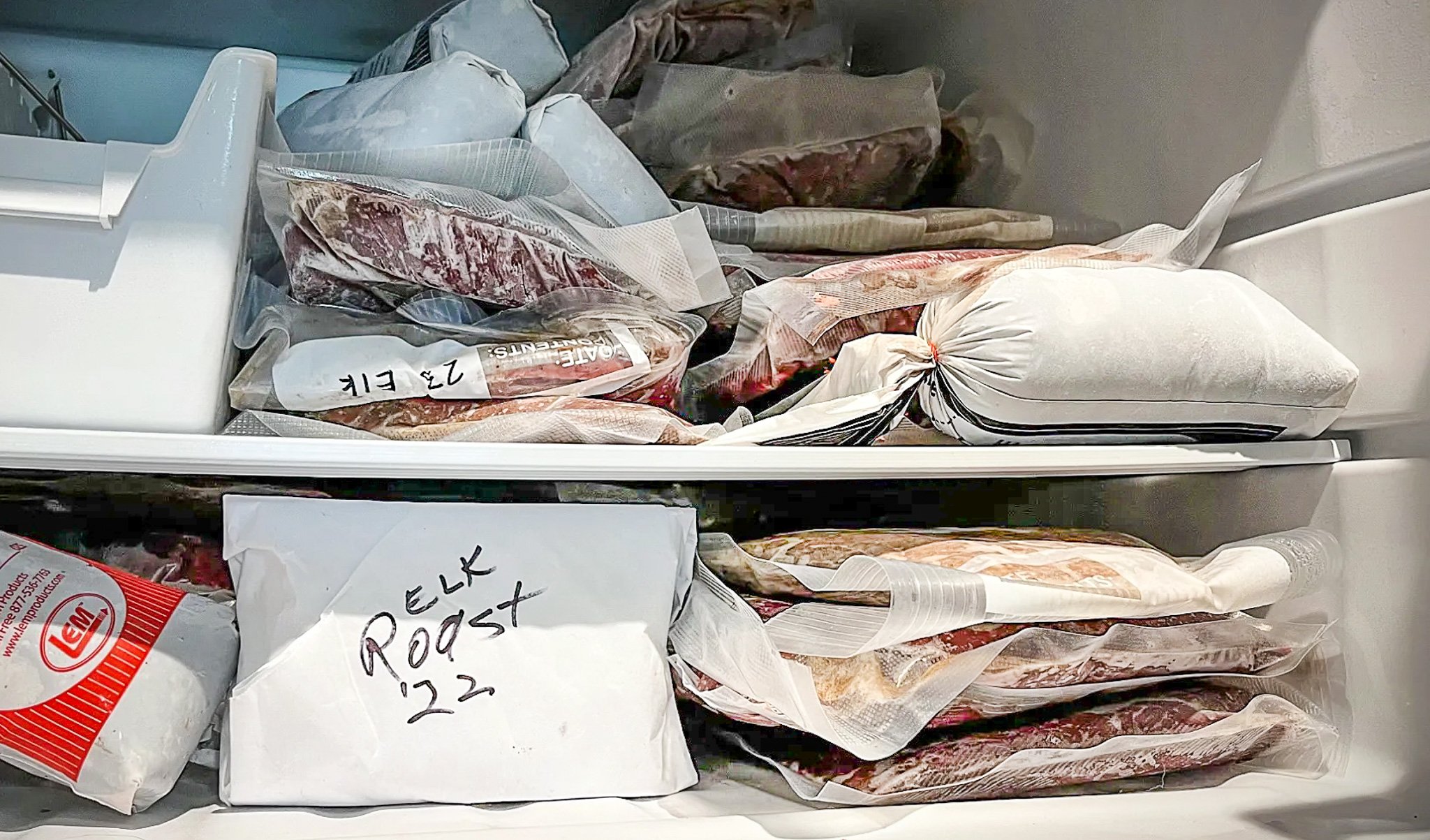
The shelf life of processed wild game, properly stored, can range from several months to over a year, depending on the specific preservation method.
Have you ever wondered how long does a wild game last? It’s a common question for hunters and those who enjoy eating game meat. The answer isn’t always straightforward, as it depends heavily on how the meat is processed and stored. Understanding these factors is crucial for ensuring food safety.
Proper handling and preservation techniques will greatly extend the life of your harvest. From freezing to canning, many methods can help your game last much longer. Knowing these options can help you enjoy your bounty safely.

How Long Does a Wild Game Last?
Ever wondered how long that delicious venison or pheasant you just brought home will stay good? It’s a fantastic question, and the answer isn’t always simple. The lifespan of wild game meat depends on many things, much like how long any food stays safe to eat. Let’s dive into all the factors that affect how long your wild game will last, from the moment it’s harvested to the time you put it on your plate.
The Hunt and Handling: The First Step
The clock on your wild game’s freshness starts ticking the second it’s harvested. How the animal is handled immediately after the hunt significantly impacts how long the meat will last. Think of it like preparing a freshly picked apple – you want to treat it with care.
Field Dressing Quickly and Correctly
Field dressing means removing the internal organs of the animal right after it’s harvested. This is super important because those organs can carry bacteria that can spoil the meat quickly. Here’s what needs to happen:
- Gut it fast: The quicker you remove the guts, the less time bacteria has to grow.
- Keep it clean: Use a sharp, clean knife and try not to puncture any organs.
- Cool it down: Heat is a breeding ground for bacteria. If the weather is warm, you’ll need to get the carcass cooled quickly.
Proper Cooling is Essential
Cooling down the meat is one of the most important things you can do to make sure it lasts. Think of it like this, when you place food in a fridge, the cool temperature helps stop bacteria from growing. The same principle applies here. If you have a way to cool down the game meat rapidly, it’s great. You can consider:
- Game bags: These let air circulate around the meat while keeping flies and dirt out.
- Ice chests: If it’s warm, pack the carcass in an ice chest with plenty of ice.
- Cold air: Hang the game in a cool, shady spot with good airflow, if possible.
The goal is to bring the meat’s internal temperature down to 40 degrees Fahrenheit (4 degrees Celsius) or lower as quickly as possible.
Processing Your Harvest: Turning It into Edible Portions
Once you’ve gotten the game back home, it’s time to process it into smaller pieces. This step is very important for how long the meat will last. How you handle the meat here will have a big impact.
Cutting and Packaging
How you cut and package the meat matters a lot for how long it will last. Here’s how to do it right:
- Clean everything: Use clean knives, cutting boards, and surfaces.
- Cut into serving sizes: Decide what cuts you want, like steaks, roasts, or stew meat.
- Proper packaging: Use freezer-safe paper or bags to keep the meat from getting freezer burn.
- Label everything: Write down the type of meat and the date you packaged it. This way, you know what you’ve got and how old it is.
Air is the enemy of fresh meat in the freezer. Make sure you squeeze out as much air as possible before sealing the packages.
Storage Methods: Fridge, Freezer, and Beyond
How you store the game meat after it’s processed is really important for how long it will stay good. You’ve got a few options, and each one has its own rules.
Refrigeration: Short-Term Storage
The fridge is for short-term storage. When kept properly chilled, fresh wild game meat can last for a few days.
- Whole cuts: Larger pieces like roasts can last about 3 to 5 days in the fridge.
- Smaller cuts: Smaller pieces like steaks and ground meat should be used within 1 to 2 days.
- Storage location: Place meat in the coldest part of your fridge, often the bottom shelf.
Always ensure that your refrigerator is set to 40 degrees Fahrenheit (4 degrees Celsius) or below to inhibit bacterial growth.
Freezing: Long-Term Storage
The freezer is your best friend for long-term storage of wild game. Freezing keeps the meat safe by slowing down bacterial growth and enzyme activity. But even frozen meat has a shelf life.
- Properly packaged: Make sure all meat is wrapped tightly in freezer-safe materials.
- Optimal temperature: Keep your freezer at 0 degrees Fahrenheit (-18 degrees Celsius) or lower.
- How long it lasts:
- Whole cuts (roasts): Can last 9 to 12 months.
- Smaller cuts (steaks, chops): Can last 6 to 9 months.
- Ground meat: Best used within 4 to 6 months.
If your freezer has been at a consistent temperature, you can expect your frozen wild game to last for the time frames given above. If there has been significant temperature fluctuation, or if freezer burn has occurred, the quality of the meat can degrade more quickly.
Other Storage Methods: Drying and Curing
Besides refrigeration and freezing, there are other ways to preserve wild game meat. These methods often change the texture and flavor of the meat.
Drying
Drying meat removes moisture, making it hard for bacteria to grow. Think jerky.
- How it works: Meat is cut into thin strips and dried in a dehydrator or the open air.
- How long it lasts: Dried meat can last for months if stored properly in an airtight container in a cool, dry place.
Curing
Curing involves using salt, nitrates, and other preservatives to stop bacteria from growing. Think sausages.
- How it works: Meat is submerged in a brine or dry-rub cure and then smoked or dried.
- How long it lasts: Cured meat can last for several weeks or months, depending on the type of cure and storage method.
Signs of Spoilage: When to Toss It
Even with proper handling and storage, wild game can spoil. Learning how to spot spoiled meat is important for avoiding food poisoning.
Smell
A bad smell is one of the most obvious signs of spoilage. Fresh meat should have a mild, slightly metallic odor. If it smells sour, pungent, or like ammonia, it’s bad.
Appearance
Look carefully at the meat. Signs of spoilage include:
- Slimy texture: If the surface of the meat feels slimy or sticky, it’s likely spoiled.
- Discoloration: Fresh meat will be a natural red or pinkish-red. If it’s turned gray, brown, or green, it’s time to throw it out.
- Mold: Any sign of mold is a big red flag. Even if you cut away the moldy part, it is best to discard the rest.
Taste
If the meat looks and smells okay, you might be tempted to taste it. Even a tiny bit of spoiled meat can make you sick, so when in doubt, throw it out. Never taste meat you suspect might be bad.
Factors Affecting Shelf Life
Several factors can influence how long your wild game meat lasts. These include:
- Animal’s health: If the animal was sick or injured, it could affect how long the meat will last.
- Temperature during handling: The warmer the temperature, the faster bacteria can grow and the shorter the meat will last.
- Proper packaging: Incorrectly packaged meat will spoil quickly.
- Storage temperature: Temperature fluctuations in a fridge or freezer can negatively affect shelf life.
Being aware of these factors will help you understand why some meat lasts longer than others.
Key Takeaways: Extending the Shelf Life of Wild Game
To keep your hard-earned wild game in good condition for as long as possible, remember the following best practices:
- Act Fast: Field dress your harvest quickly and carefully to prevent bacteria from taking hold.
- Chill Immediately: Reduce the meat’s temperature to 40 degrees Fahrenheit (4 degrees Celsius) or below as soon as you can.
- Process Cleanly: Use clean knives, cutting boards, and packaging materials when processing your game.
- Package Properly: Wrap meat tightly in freezer-safe paper or bags, squeezing out as much air as possible.
- Store at Optimal Temperature: Keep refrigerated meat at 40 degrees Fahrenheit (4 degrees Celsius) or below and frozen meat at 0 degrees Fahrenheit (-18 degrees Celsius) or below.
- Know Your Storage Options: Understand the shelf life of meat in the fridge versus the freezer.
- Be Vigilant: Check meat for any signs of spoilage before eating it, such as changes in smell, color, and texture.
By understanding the process of properly handling and storing wild game meat, you can ensure that your harvest remains delicious and safe to eat for many months to come. It all comes down to taking the right steps from the moment of the hunt to the eventual meal.
Where To Shoot a Deer With a Gun | Hunting Tips #shorts #saskatchewan #deerhunting #hunting
Final Thoughts
The duration of a wild game varies widely. Factors like game type, player skill, and even luck affect the length. Some hunts might conclude in mere minutes, while others could stretch for hours.
Consequently, determining exactly how long does a wild game last remains challenging. Therefore, it’s important to prepare for a range of time commitments when planning your hunt. Be ready for both short and longer adventures.

