
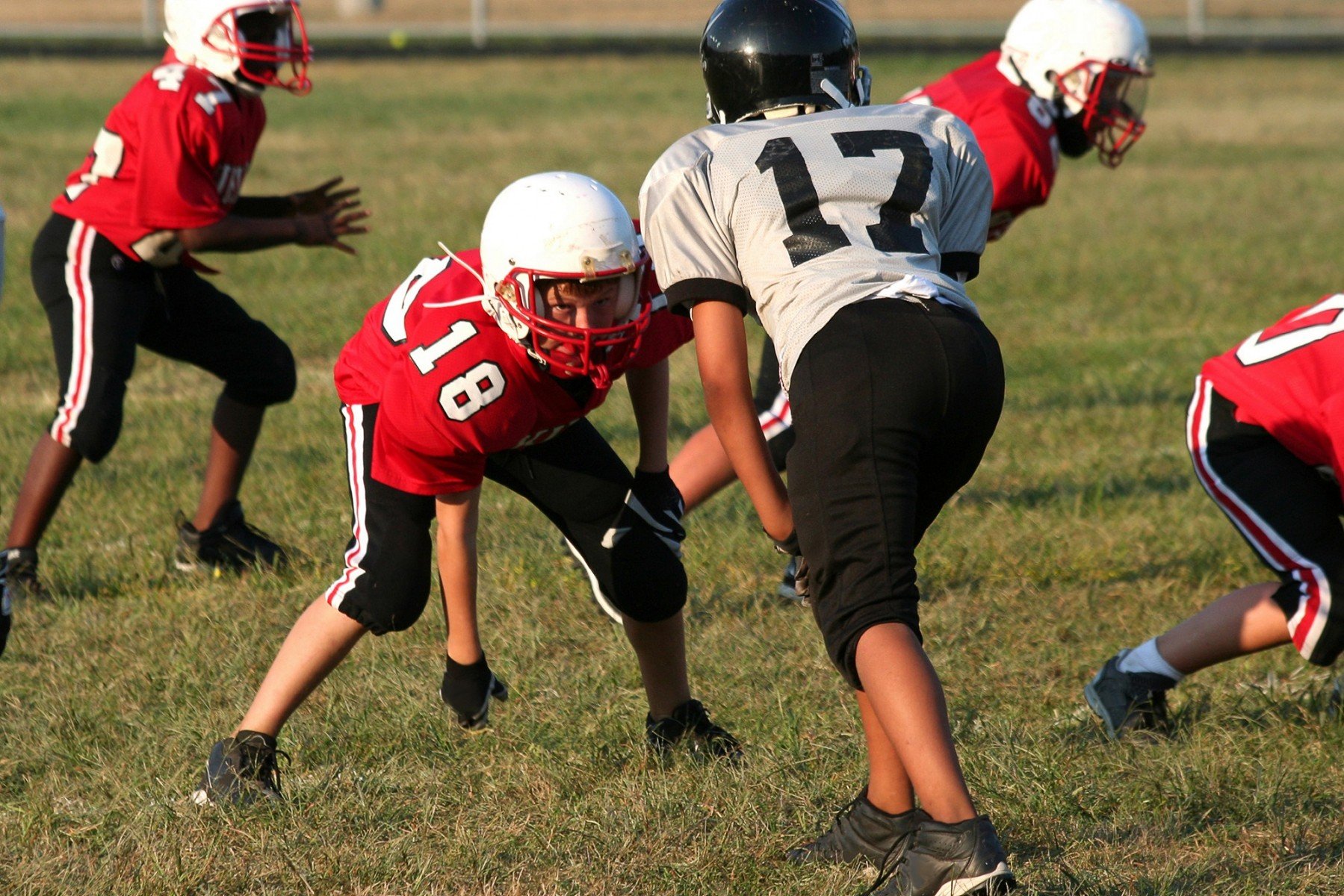
The duration of a youth football game typically ranges from 60 to 80 minutes, but this can vary depending on the league and age group.
Ever wondered just how long those exciting youth football games actually run? It’s a question many parents and fans ask, often while checking their watches on the sidelines. Knowing the expected game time is useful for planning your day and also for your young player’s schedule.
Figuring out precisely how long does a youth football game last depends on various factors. We’ll explore these influencing variables in the following sections. It helps to be aware of these differences when you are attending any youth game.

How Long Does a Youth Football Game Last?
Figuring out how long a youth football game lasts can sometimes feel like a tricky math problem! It’s not as simple as saying “it’s always exactly one hour.” There are a bunch of different things that can change the total game time. Let’s break down all the parts that go into calculating how long those exciting games really last.
Understanding the Basic Time Structure
Youth football games don’t just run like a clock that keeps going. Instead, they are divided into quarters, just like in the NFL or college games, but they are shorter. Let’s explore what a typical youth football game looks like time-wise.
Quarters and Their Length
The main structure of a game comes down to the number and length of its quarters. In youth football, the length of each quarter is shorter than what you see in professional football. Instead of 15-minute quarters like in the NFL, youth football usually has shorter quarters. The exact length of each quarter depends heavily on the specific league, the age of the players, and sometimes even the specific rules.
- Younger age groups (around 6-8 years old): Games often have shorter quarters, perhaps 6 to 8 minutes each. This means that an entire game could run for just 24 to 32 minutes of actual playtime.
- Older age groups (around 9-12 years old): Quarters get a little longer in this range, often going up to 8 to 10 minutes each. This could mean a total of 32 to 40 minutes of playtime in a game.
The Half-Time Break
Just like in a regular football game, there’s a break in the middle. This is called half-time. Half-time gives the players time to rest, go over strategies, and grab a quick drink. Half-time in youth football is shorter than in professional games, generally ranging from 5 to 15 minutes. The time depends on the league, location and sometimes even on the age of the athletes.
Factors That Impact Game Length
So, we know about the basic structure with quarters and half-time, but there are other factors that affect the total time of a game. Let’s explore these variables so you’re not surprised on game day!
Timeouts
Like in every football game, timeouts affect the time of a youth football game. Timeouts provide teams an opportunity to take a break or strategize in between play. During timeouts, the clock stops. This means each timeout adds a little extra time to the total game. The number of timeouts each team gets varies by league rules, and these add up to the total game time.
Injuries
Unfortunately, injuries sometimes happen in football. When a player gets injured, the game clock is stopped while the coaches and medical staff look into their injury. The time taken varies depending on severity, which adds time to the game clock. Safety is always the top priority, so even a brief delay can impact the total time.
Penalties
Penalties also play a role. Depending on the penalty, the clock might stop. If the penalty requires a measurement or a discussion by the officials, then more time is added to the game. All these small delays from penalties contribute to the overall time the game takes.
Overtime
While not as common in youth football, some leagues use overtime rules if the game is tied at the end of regulation. Overtime rules can vary widely, but usually it involves a tie-breaker system involving possession of the ball. If overtime is needed, it extends the total game time, sometimes by a significant amount. It’s always good to ask about overtime rules for any league you’re involved in, because this can drastically change the total time.
The Running Clock Rule
Sometimes, youth football leagues use what’s known as a running clock rule. This rule means that the game clock only stops for specific reasons, like timeouts or injuries, and sometimes not at all. This can greatly shorten the total game time, especially if one team has a sizable lead. It is a strategy to maintain a reasonable pace of play and prevent the game from lasting for too long.
Different League Variations
It’s really important to remember that youth football isn’t one single entity. Different leagues and organizations often have their own unique rules about game times. The age of the players will also influence the game’s duration. Let’s see how differences in leagues impact game lengths.
Pop Warner
Pop Warner is one of the largest and oldest youth football organizations. They focus on age and weight guidelines to create safe play. Pop Warner games typically use shorter quarters, usually between 6 to 8 minutes for the youngest players and 8 to 10 minutes for older groups. They try to ensure fair play and prioritize players’ well-being, also they use specific time constraints for age levels.
AYF (American Youth Football)
American Youth Football is another popular league that focuses on participation and community involvement. Similar to Pop Warner, AYF games have different quarter lengths based on age. The focus is on developing skills and promoting a team environment while keeping a reasonable time for playing. Expect the usual 6 to 10 minute quarters, depending on your kid’s age range.
Local Leagues and Their Rules
Many communities have their own local leagues, which might have different time rules. These leagues can vary a lot. The game might have shorter quarters and a very short half-time, or they might be a bit longer. It’s important to check with your league’s rules because they differ across states and cities. Always confirm game length and time regulations with the specific organization your kid is playing with.
Estimating Total Game Time
So, with all these things impacting the time, how can you estimate how long a game is actually going to last? Well, here’s a good way to get an idea of the full game time.
Calculating Actual Play Time
First, add up the total time for all the quarters together. So, if a game has four 8-minute quarters, that’s 32 minutes of play time. Then add the halftime. Typically, this adds 5 to 15 minutes. Now you have a base game length.
Adding in Other Time Factors
Remember all the other factors! Timeouts can add a few minutes more, and depending on the number of timeouts, that could be 5 to 10 minutes, sometimes even more, total. If there are injuries or penalties, that can add a few more minutes. This is where it gets tricky, because you can’t always predict these delays. Always add a buffer time for these factors.
Making the Most Accurate Estimate
A great trick is to ask other parents or coaches of the team you are playing with about the usual game times, or the average total duration of the match. The more you know about the specific league, the better you will be in predicting game length. In general, it’s safe to estimate that a youth football game will last between 1 and 2 hours, from start to finish. But always remember, this is an estimate and real time may vary.
Tips for Managing Game Day Time
Knowing how long a game might last helps to prepare yourself. Here are some practical tips to make game days smooth:
Plan Ahead
Make sure you plan your day by checking the specific start time and by getting an estimated idea of game length. Try to calculate in advance for game time and extra time for travel and warmups. Always plan some additional time on top of what you expect, so you’re not stressed about being late or missing any part of the game.
Bring Snacks and Drinks
Pack some healthy snacks and drinks for yourself and the young athlete. Football games can sometimes take longer than you anticipate, so it’s better to be prepared. This is especially important if you have younger siblings attending the game as well.
Be Patient
Games can sometimes run late, so just make sure to be patient. Delays can happen, and it’s important to be supportive of the players and coaches. Being patient and positive helps you enjoy the experience.
Enjoy the Game
Football games are supposed to be fun! While keeping track of time is useful, don’t miss out on cheering for your team and having some fun. Your encouragement and positivity helps the young athletes and helps in building a fun team environment.
So, while it might not be possible to know exactly how long a youth football game will last, understanding all these factors will surely help you make a much better estimate. Each league, each age group and each game situation has its own unique way of unfolding. Planning and preparation are always good for getting the most out of each game.
The BEST 5 Year Old Football Player! #boomjunior #minijamarrchase #youthfootball
Final Thoughts
Youth football game durations vary based on age and league rules. Younger players typically have shorter game times, often around 60 minutes total. Older age groups, especially at the high school level, can play games closer to 90 minutes long.
The actual time spent on the field may differ from the total game length, due to timeouts and other stoppages. Knowing how long does a youth football game last is helpful for planning your day. The playing time is crucial for athlete development.

