
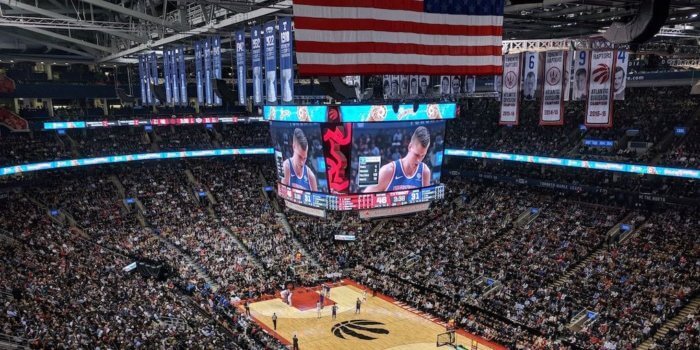
An average basketball game lasts about 2 to 2.5 hours, including halftime and other breaks.
Ever wondered how long does an average basketball game last? It’s a common question for both new fans and those just curious about the sport. Game length varies based on the level of play.
Professional games have different clock rules than high school or college contests. So, you might notice a difference if you watch multiple games.
The core gameplay and break times are always the key factors influencing the total duration.

How Long Does an Average Basketball Game Last?
Basketball is a super exciting sport, full of fast breaks, amazing shots, and nail-biting finishes. But if you’ve ever wondered, “Just how long does a basketball game actually last?” you’re not alone! It’s a great question because the answer can change depending on a few things. Let’s dive into all the details about the duration of a basketball game.
The Basics: Playing Time vs. Game Time
First off, it’s important to know that “game time” isn’t the same as the total time you’ll spend watching a basketball game. The actual playing time is just the amount of time the clock is running while the ball is in play. The overall “game time,” which includes breaks, timeouts, and halftime, is much longer. Think of it like this: you might have an hour of homework, but you take breaks and it actually takes you a lot longer than just one hour to finish!
Different Levels, Different Durations
The length of a basketball game varies most notably based on the level of play. Professional games, like those in the NBA, have longer playing times than high school games, which in turn are longer than most youth leagues. Let’s break it down:
- NBA (National Basketball Association): The NBA uses four 12-minute quarters, totaling 48 minutes of playing time. This is the longest game time across the major levels of basketball.
- WNBA (Women’s National Basketball Association): Similar to the NBA, WNBA games also have four 10-minute quarters, totaling 40 minutes of playing time.
- NCAA (College Basketball): In college basketball, games are divided into two 20-minute halves, for a total of 40 minutes of playing time.
- High School Basketball: Most high school basketball games are composed of four 8-minute quarters, which leads to a total playing time of 32 minutes. However, some states might have slightly different rules.
- Middle School and Youth Leagues: The playing time in these leagues is usually shorter. Games are often divided into four quarters of 6 or 7 minutes each, with variations depending on the specific league. That means games last about 24-28 minutes of actual playing time.
The Impact of Timeouts and Breaks
Okay, so we know the amount of playing time, but that’s not all there is to it. There are also breaks that add to the total length of the game. Timeouts are a big factor. Teams can call timeouts to talk strategy, get a breather, or stop an opponent’s momentum. Here’s how they work:
- Timeouts: Every team gets a certain number of timeouts per game, and these timeouts pause the game clock. In the NBA, for example, teams get seven timeouts, with two mandatory timeouts per quarter. This causes an actual pause in the game and can really add to the overall duration.
Halftime Show
A super important part of any basketball game is halftime! Halftime is like a big pause in the middle of the game. It allows the players to rest, regroup, and talk about what’s going well, and what to improve. It also gives the audience a chance to grab snacks and use the restroom! Here are the differences:
- NBA: In the NBA, halftime is typically 15 minutes long.
- NCAA and other levels: Halftime is generally 10 to 15 minutes at these levels as well.
Factors That Extend Game Length
Beyond the scheduled playing time, several factors can extend a basketball game. These include fouls, injuries, and the always dramatic, Overtime! Let’s look into these time-extending elements.
Fouls and Free Throws
Fouls happen a lot during a basketball game. When a player fouls another player, the fouled player might get to shoot free throws. Each free throw takes a little time to set up, adding to the overall game time. In addition, if a foul is called near the end of the game, the game is stopped. The clock stops until the free throws are done. Sometimes if it’s the last minute or two of the game, coaches often will try to foul on purpose to stop the clock, adding to the game duration.
Injuries and Other Stoppages
Unfortunately, injuries can happen in basketball and whenever a player is hurt, the game needs to stop. Medical personnel might need to come onto the court to provide assistance. This can cause delays, extending the game’s duration. Also, sometimes there are other reasons the game needs to stop, like if there’s a problem with the equipment or something else unexpected happens on the court. These things add more time.
The Thrill of Overtime
Sometimes, when two teams play a hard and close game, they can end with the score tied at the end of regulation. When this happens in many basketball leagues, we go to overtime. Overtime is an extra playing period used to decide a winner, and it’s super exciting for fans and nerve-racking for players! Here’s how overtime works at different levels:
- NBA: An NBA overtime period is 5 minutes long. If the score is still tied after one overtime, they keep playing additional overtime periods until there is a winner.
- NCAA: A college basketball overtime is 5 minutes long as well. Just like the NBA, they will keep having extra overtime until they have a winner if the score is tied again.
- High School and Below: Overtime periods at this level are usually shorter, often 3 or 4 minutes, and will depend on the specific leagues and rules.
Average Game Time: More Than Just Playing Time
So, considering all these factors, we can get a good idea of how long a basketball game lasts in real life. Even though playing time is important, we must remember all the extra factors that we mentioned above. Let’s take a look:
| Level of Play | Playing Time | Typical Game Length (including breaks) |
|---|---|---|
| NBA | 48 minutes | Approximately 2 to 2.5 hours |
| WNBA | 40 minutes | Approximately 2 hours |
| NCAA | 40 minutes | Approximately 2 hours |
| High School | 32 minutes | Approximately 1.5 to 2 hours |
| Middle School/Youth | 24-28 minutes | Approximately 1 to 1.5 hours |
Why Understanding Game Length Matters
Knowing how long a basketball game lasts can help you plan your day. If you’re a fan, you might need to set aside enough time to watch the whole game. Knowing the time it takes to play a game is helpful for you to plan to get to the stadium on time, plan to leave the game to make it to other commitments or plan if you just need to use the restroom. If you’re a player, it can help you prepare mentally and physically for the game. It helps you stay focused and helps your stamina so you can play your best for the duration of the game.
A Quick Recap
In summary, while the official playing time of a basketball game provides a starting point, the overall length of a game is influenced by many factors. Timeouts, halftimes, fouls, injuries, and of course, overtime can add to the total time. Whether you’re cheering from the stands, a parent driving a child to the game, or a player on the court, knowing the duration can help you prepare. So, now you have a better idea of the question “How long does an average basketball game last?”
How Long Does An NBA Basketball Game Last? – The Basketball Xpert
Final Thoughts
An average basketball game lasts about two hours, though the clock only runs for 48 minutes in professional games. This excludes stoppages for fouls, time outs, and halftime. These pauses often significantly extend the total duration.
The variation in game length depends largely on the level of play, such as youth, college, or professional. Therefore, calculating precisely how long does an average basketball game last is complex. Ultimately, expect to dedicate around two hours for a game experience.

