
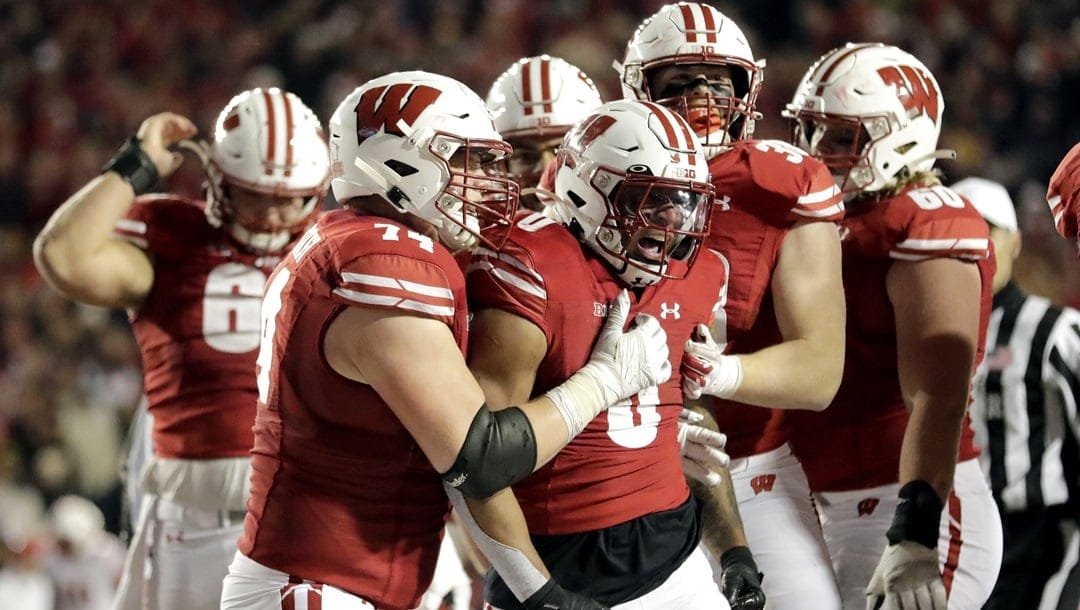
Approximately three hours and fifteen minutes is how long an average college football game lasts.
Ever found yourself wondering just how long does an average college football game last? You’re not alone! Many fans and newcomers alike often ask this very question.
The game clock seems to move both quickly and incredibly slowly, depending on the action. Factors like timeouts and reviews really impact the overall length of the contest.

How Long Does an Average College Football Game Last?
Ever sat glued to the TV, watching a thrilling college football game, and wondered just how much time you’ve spent in front of the screen? You’re not alone! The length of a college football game can feel like a bit of a mystery, so let’s break down everything you need to know about game duration.
The Standard Game Length: What’s on the Clock?
A standard college football game is designed to have 60 minutes of playing time. This is divided into four 15-minute quarters. Sounds simple enough, right? But that’s just the actual playing time. A lot more goes into the total time you’ll spend watching a game.
Understanding the Game Clock
The game clock is a key part of understanding why college football games last longer than the 60 minutes of playing time. The clock stops frequently during the game. When a player runs out of bounds, when a pass is incomplete, or after a team scores a touchdown, the clock stops. This makes sure every play counts and the game runs fairly. Here are some key reasons the game clock stops:
- Incomplete Passes: When a pass isn’t caught, the clock stops until the next snap.
- Out-of-Bounds Plays: If a player with the ball goes out of bounds, the clock stops.
- Penalties: If a penalty occurs, the clock stops.
- Scoring Plays: When a team scores a touchdown or field goal, the clock stops.
- Change of Possession: When one team gets the ball from the other, the clock stops.
- Timeouts: Each team has timeouts they can use, stopping the clock.
- Injuries: If a player gets hurt, the clock stops for them to get help.
- Official Reviews: If referees need to review a play, the clock is stopped.
Average Game Duration: More Than Just 60 Minutes
So, while the official playing time is 60 minutes, the average college football game usually lasts between three and three and a half hours. Yes, you heard that right! This is because of all the stoppages mentioned earlier, plus other factors we will discuss.
Factors that Extend Game Time
Several different elements contribute to the extended time of a college football game. Understanding these elements helps to make sense of why games stretch beyond the 60 minutes of actual play.
- Commercial Breaks: Television broadcasts are a big part of college football. During these broadcasts, lots of commercial breaks are inserted. These breaks are necessary for TV channels to make money. This is a big chunk of time added to the game’s total duration.
- Halftime: There’s a halftime break in the middle of the game, usually lasting between 15 to 20 minutes. During this time, the players rest and coaches make plans, while the broadcast fills this time with analysis or fun halftime shows.
- Play Reviews: Referees now use replay reviews to check if a play was made correctly. These reviews can take a few minutes, and add to the game’s total time.
- Injuries: As mentioned before, if a player is injured, the clock stops. Depending on the injury, this stop in play can range from a minute or two to much more if the player needs to be taken off the field with a stretcher.
- Close Games and Overtime: If the score is very close, especially towards the end of the game, plays might be reviewed more closely, and time outs may be called to help get a final scoring drive in. And, of course, if the score is tied at the end of the fourth quarter, the game goes into overtime. Overtime adds another 10-20 minutes or more to the total game time.
The Pace of Play
The style of play of the teams involved in a game also makes a difference in how long the game will last. Some teams play at a very fast speed, with their offenses going quickly from one play to the next. These fast-paced offenses can actually speed up the game because the clock keeps running between plays that are in bounds and there aren’t many incomplete passes. However, other teams play more slowly. They take their time between plays. They spend more time thinking and trying to confuse their opponent. These games may feel as if they take longer because the clock is stopping and starting.
Comparing Game Durations: College vs. NFL
One frequently asked question is how the length of a college football game compares to that of a National Football League (NFL) game. While both involve the same sport, there are some key differences that affect game duration.
College Football vs. NFL: Key Differences
While both college and NFL football have four quarters of 15 minutes, the average time of an NFL game typically runs even longer than college football, averaging around 3 hours and 15 minutes, while college football games average about 3 hours and 10 minutes. One of the reasons for this difference is in the way the clock is managed. In the NFL, when a player runs out of bounds or a pass is incomplete, the clock stops. While in college, if the ball carrier runs out of bounds, the clock only stops if it is during the final two minutes of each half. This clock management helps to keep a continuous flow of play and can sometimes make college games slightly faster, but not always.
Why NFL games can sometimes run longer:
Even though the rules are similar, these factors can extend the game time for the NFL:
- More Commercials: The NFL is a bigger business, which means more commercials. More commercials means longer games for viewers.
- Slightly Longer Halftime: The halftime break in the NFL can be a bit longer, sometimes exceeding 20 minutes. This adds more to the overall game time.
- More TV timeouts: Because there are so many commercials during an NFL game, the amount of TV timeouts is much larger. This can extend the length of an NFL game significantly.
- More frequent Official Reviews: Since NFL has much bigger stakes in games, there are sometimes more frequent official reviews. These can extend the time of the game a little longer than a college football game.
Factors That Can Shorten a Game
While we’ve spent time talking about factors that extend game length, there are also some elements that can make a college football game shorter. Understanding these instances can help you predict whether a game might wrap up sooner than average.
Blowout Games and Running Clocks
When one team is way ahead of the other, the game’s pace changes drastically. Some leagues implement a “running clock” rule in the second half when the point difference is very large. This means that the clock doesn’t stop after every play as long as the ball is in bounds. This speeds up the game quickly and makes it so that the final few quarters can be played more quickly than normal.
Fewer Penalties and Injuries
If a game has fewer penalties and player injuries, the clock will stop less frequently, thus making the game move faster. A well-played game with minimal stoppages can often conclude quicker than one with many errors and pauses. This could help bring the total game time closer to the actual 60 minutes of play on the clock.
Tracking Game Length: A Real-World Example
To illustrate how all of these elements work together, let’s consider how a typical college football game might unfold. We will look at a made-up example of a college football game:
Hypothetical Game Timeline
Let’s say the game starts at 3:00 PM:
- 3:00 PM – 3:15 PM: First Quarter of game. Includes stoppages for incomplete passes, a penalty or two, and one quick timeout.
- 3:15 PM – 3:35 PM: First Quarter concludes, and start of the second quarter.
- 3:35 PM – 4:05 PM: Second Quarter of game. Includes more stoppages like an injury, a review of a play, and a few more timeouts.
- 4:05 PM – 4:25 PM: Half Time.
- 4:25 PM – 5:00 PM: Third quarter of game. Includes stoppages for a touchdown, change of possession, and out of bounds plays.
- 5:00 PM – 5:35 PM: Fourth quarter. Very close scoring game, several penalties, and a few more TV timeouts as well as team timeouts to try to get ahead or tie the game.
- 5:35 PM: Game concludes after four quarters of play.
In this example game, the total duration came out to about two hours and 35 minutes. If you add the actual game time and halftime you will see that is not anywhere near the actual game time of just an hour and 15 minutes, which shows just how much of a college football game involves stopping and starting.
Tips for Planning Your Game Day
Knowing that a college football game usually takes around 3 to 3 1/2 hours, it helps to plan your day accordingly. Here are some tips to help make your game day experience go well:
Planning for Long Game Days
- Schedule Ahead: Plan your day and any other activities around the game. Don’t plan too many things right before and right after a game, just in case the game goes longer than you think.
- Snacks and Drinks: Whether you’re watching the game at home or at the stadium, have some snacks and drinks ready. Three hours is a long time to go without food.
- Bathroom Breaks: You don’t want to miss important plays because you are in the bathroom. If you are at the stadium, plan a bathroom break around halftime so that you can enjoy the second half without needing to go.
- Comfortable Seating: If you are watching at home, make sure your seat is comfortable. If you are at the game, bring a cushion or stadium seat if you have one.
- Plan for Overtime: Know that some games may go into overtime, so make your plans flexible.
In summary, while the official playing time of a college football game is 60 minutes, the actual time spent watching it is much longer, generally between three and three and a half hours. This is due to many factors such as commercials, halftime, penalties, reviews, and timeouts. By understanding these factors, you can plan your game days better and fully enjoy the college football experience.
CFB 25 RUINED this players life🤯 #collegefootball #cfb #cfb25 #ncaa #bigten #goblue #ohiostate
Final Thoughts
An average college football game typically lasts around 3 hours and 15 minutes. This duration includes four 15-minute quarters, halftime, and various stoppages. The clock management rules in college football contribute to its unique pace.
Several factors, such as penalties and television timeouts, can extend game time. Overtime periods also add to the total time. Knowing how long does an average college football game last helps fans plan accordingly.

