
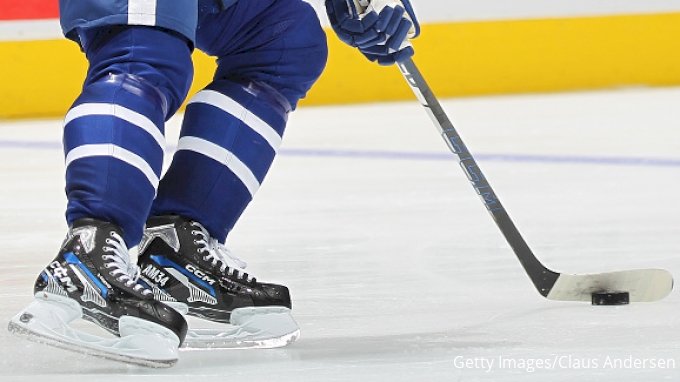
An ice hockey game typically lasts 60 minutes of playing time, divided into three 20-minute periods.
Ever wondered how long does an ice hockey game last? The clock ticks down differently in hockey, and it’s more than just the stated time. There are plenty of stops, starts, and intermissions that affect the total time.
The 60 minutes of action are only part of it. When penalties happen, or a puck goes out of play, time stops. This makes the overall experience slightly longer than the playing time.

How Long Does an Ice Hockey Game Last?
Alright, let’s dive into the exciting world of ice hockey and figure out just how long you’ll be glued to your seat watching the action! It’s not as simple as a set number of minutes, because different factors can make a hockey game go longer or shorter. We’re going to break it all down for you so you know what to expect.
The Basics: Standard Game Time
At its core, a standard ice hockey game is divided into three periods, each lasting 20 minutes. This is in professional leagues like the NHL (National Hockey League) and also in many other leagues around the world. So, if you just looked at the clock running during gameplay, you’d think a game should be 60 minutes long, right? Well, not quite! That’s because the clock only counts down when the puck is in play.
What Happens When the Clock Stops?
The game clock stops quite a bit. Whenever the puck goes out of play, like when it flies over the glass or when a player commits a penalty, the clock stops. This is very different from sports like soccer where the clock keeps running almost constantly. This means that an actual hockey game is always going to take more than 60 minutes from start to finish.
- Puck out of play: When the puck leaves the playing surface, the clock stops.
- Penalties: When a player does something wrong and gets a penalty, the clock stops.
- Injuries: If a player gets hurt, the clock is stopped to make sure they get help.
- Time-outs: Each team has a limited number of time-outs where the clock is stopped for a short break.
- End of periods: There are also short breaks in between the periods.
These breaks and stops add to the total length of the game and that’s why an ice hockey game usually lasts more than 60 minutes.
Typical Total Game Length: Beyond the 60 Minutes
So, if the three periods add up to just 60 minutes, how long does a typical ice hockey game actually last, from the starting whistle to the final buzzer? Most of the time, you can expect a professional hockey game, like one in the NHL, to last around 2 and a half to 3 hours. Sometimes, it might even go a little longer, especially if there are lots of stoppages, penalties, or, most excitingly, overtime.
This longer time includes all those important clock stoppages, the breaks between periods and intermissions. These aren’t just for show; they are also important for the players to rest and regroup, and for the TV stations to show ads.
Intermissions
In between each of the three periods there are intermissions. Typically, these breaks last around 15 to 18 minutes. This allows the players to catch their breath, listen to coaching strategies, and get ready for the next period. Also, the ice needs to be cleaned up because, as you might have imagined, all those skates can leave a bit of a mess!
Overtime: When the Game Needs Extra Time
Sometimes, after the three regular periods, the score is still tied. This means the game goes into overtime. The rules for overtime can differ between leagues and even playoffs, but the idea is the same: determine a winner. In the NHL regular season, for example, overtime is a short, 5-minute sudden-death period, meaning that the first team to score wins the game. If no one scores in that 5 minutes, the game goes to a shootout, where players take individual shots on the goal.
Overtime Variations
Here’s a look at how overtime can differ in different situations:
- NHL Regular Season: 5-minute sudden-death overtime, followed by a shootout if necessary.
- NHL Playoffs: 20-minute sudden-death overtime periods are played until a team scores, so these games can potentially go on for hours.
- Other Leagues: Different rules may apply for overtime, so it’s always best to check the league’s official guidelines.
The possibility of overtime is a big reason why hockey games can sometimes be so much longer. It’s also one of the most exciting parts, as everything is on the line. Imagine a playoff game going into double, or triple overtime! Those can be some of the most memorable hockey moments.
Factors Affecting Game Length
Okay, so we have the basics down. But what are some specific things that can make a hockey game go a little shorter or way longer? Several factors influence the exact time, and they all contribute to the unique flow of each game.
Penalties and Power Plays
Penalties are a big part of any hockey game. When a player commits a penalty, that player must sit in the penalty box for a certain amount of time. This creates a power play situation where the other team has more players on the ice. The more penalties there are, the more the clock stops, which increases the overall game time. Some games can have many more penalties than others, and this is not uncommon!
It’s also not only about the clock stopping, penalties will interrupt the play and reset a team’s momentum, meaning the periods can feel fragmented and thus longer.
Injuries and Medical Stoppages
Player safety is always the most important, so if a player gets hurt, the game will stop so that medical staff can tend to them. Depending on the severity of the injury, these stoppages can range from just a few moments to several minutes. These stoppages are very important, and while they do add time to the game, it’s something that everybody agrees is necessary for the players’ well-being.
Time-outs
Each team gets at least one time-out per game (this can vary slightly depending on the league). These time-outs are a chance for teams to discuss tactics and make strategic changes. During a time-out, the clock stops, which adds to the overall game time. They are usually about 30 seconds to a minute long. This is useful for teams to draw up new plays and recover their energy.
Video Reviews
In modern hockey, officials can use video review to make sure they get the call right. If there is a questionable play, especially a goal, or a penalty, the game stops while they watch the replay. These reviews can add a few extra minutes to the game, and they sometimes can change a game result! It’s all part of getting things right, even if it takes a little longer.
The Flow of the Game
Even without all the interruptions of penalties and injuries, some games just have a different pace. A game with many shots on goal, and lots of end to end action may have more whistles and more stoppages than a slower paced more defensive game. The flow of the game can really influence how long a game will actually last. For example if a game is particularly one sided and one team is winning with several goals to the good, the pace and intensity can reduce naturally, thus potentially saving time overall. However if a game is tight, close and competitive the stoppages and stoppages may be more frequent, resulting in a slightly longer overall game time.
Ice Hockey Game Length: Different Levels of Play
The length of a hockey game can also be different depending on the level of play. For example, a game of peewee hockey (for young players) is going to be much shorter than an NHL game.
Youth Hockey
In youth leagues, periods are shorter. This is because younger players often need more time to rest. Typically, a peewee game might have periods that are 12 to 15 minutes long. This means a typical youth hockey game, including intermissions, might last between 1 hour and 1 and a half hours.
College Hockey
College hockey games are more similar to professional games, but the periods might be slightly shorter, like 18 or 20 minutes, and overtime rules may differ. The total length of these games often falls between 2 and 2 and a half hours, which makes them a good middle ground between youth and professional games.
Professional Leagues (NHL, AHL, etc)
Professional leagues like the NHL follow the typical three 20-minute periods format. However there are some differences with other professional leagues that may exist. Typically, these games can last between 2 and a half and 3 hours, or even longer with overtime, as we discussed earlier.
A Quick Summary: How Long Does an Ice Hockey Game Last?
Let’s put everything together with a quick overview:
- Standard Game Time: 3 periods, each 20 minutes long (60 minutes total of active play)
- Typical Total Game Length: 2.5 to 3 hours for professional games (including intermissions and stoppages)
- Youth Games: Shorter periods, total length around 1 to 1.5 hours.
- Overtime: Can add significant time, especially in playoffs.
- Factors influencing length: Penalties, injuries, time-outs, video reviews, and game flow.
So, while the rules say a game is 60 minutes long, be prepared for it to be a bit of a longer event when you consider everything that goes into the real time of the game. From the players’ face-offs to the ref’s whistles and the breaks in between, each element helps add up to the complete hockey experience that all the fans, and players, know and love.
Understanding these nuances can help make the game more enjoyable to watch. The stoppages are all part of the sport and its strategy. From the stoppages to the intermissions, it is the breaks that really add to the overall game time.
Keep all of this in mind the next time you are sitting down to enjoy an ice hockey game, and you’ll know how to plan for an afternoon or evening of hockey enjoyment!
The Rules of Ice Hockey – EXPLAINED!
Final Thoughts
Therefore, a standard ice hockey game lasts 60 minutes of playing time, divided into three 20-minute periods. However, stoppages for penalties, icing, and goals extend the actual duration. This makes the total game time closer to 2.5 or even 3 hours.
Ultimately, the question of ‘how long does an ice hockey game last’ has an answer that depends on play. Game clock running time and stoppages play a crucial role. Keep in mind total time spent in the arena will exceed the on-ice playing time.

